
Last updated November 15, 2026
 AC repair
 Furnace & heating
 Heat pumps
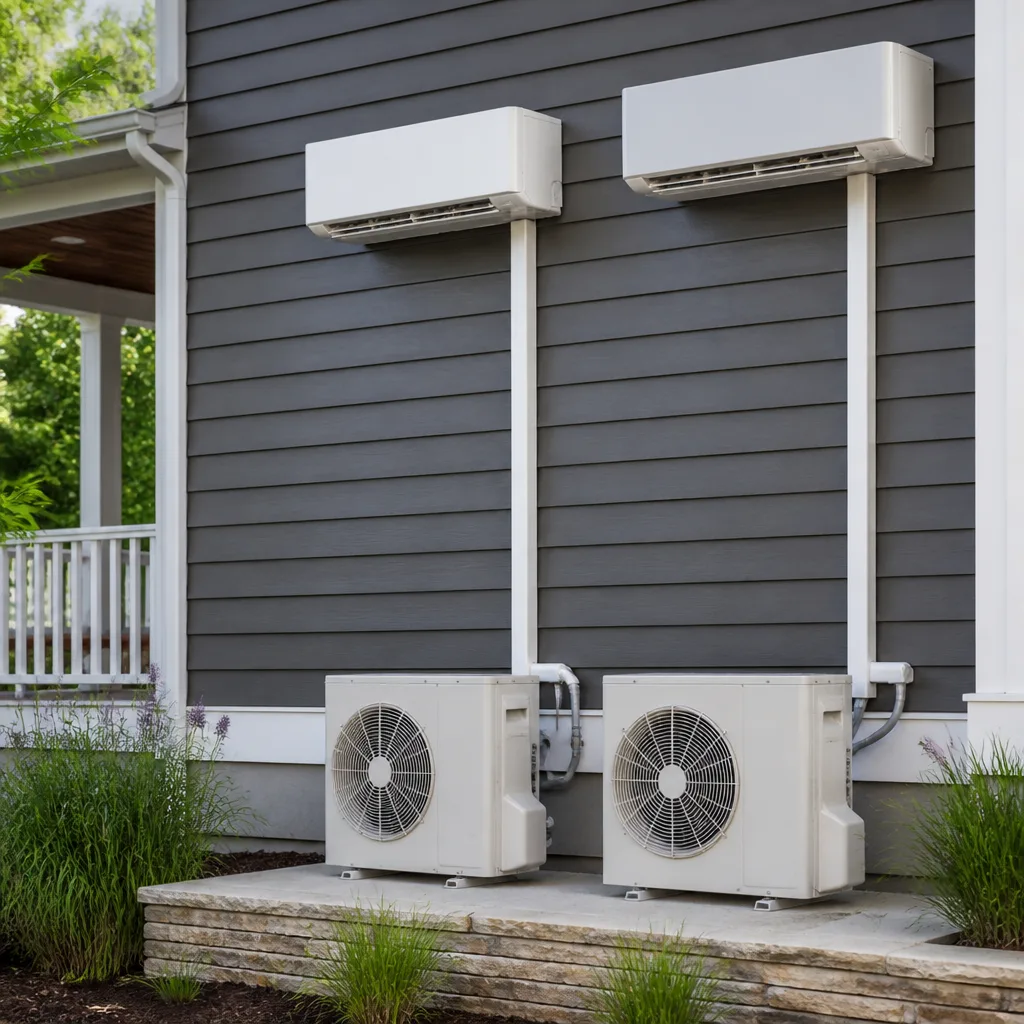 Ductless mini splits
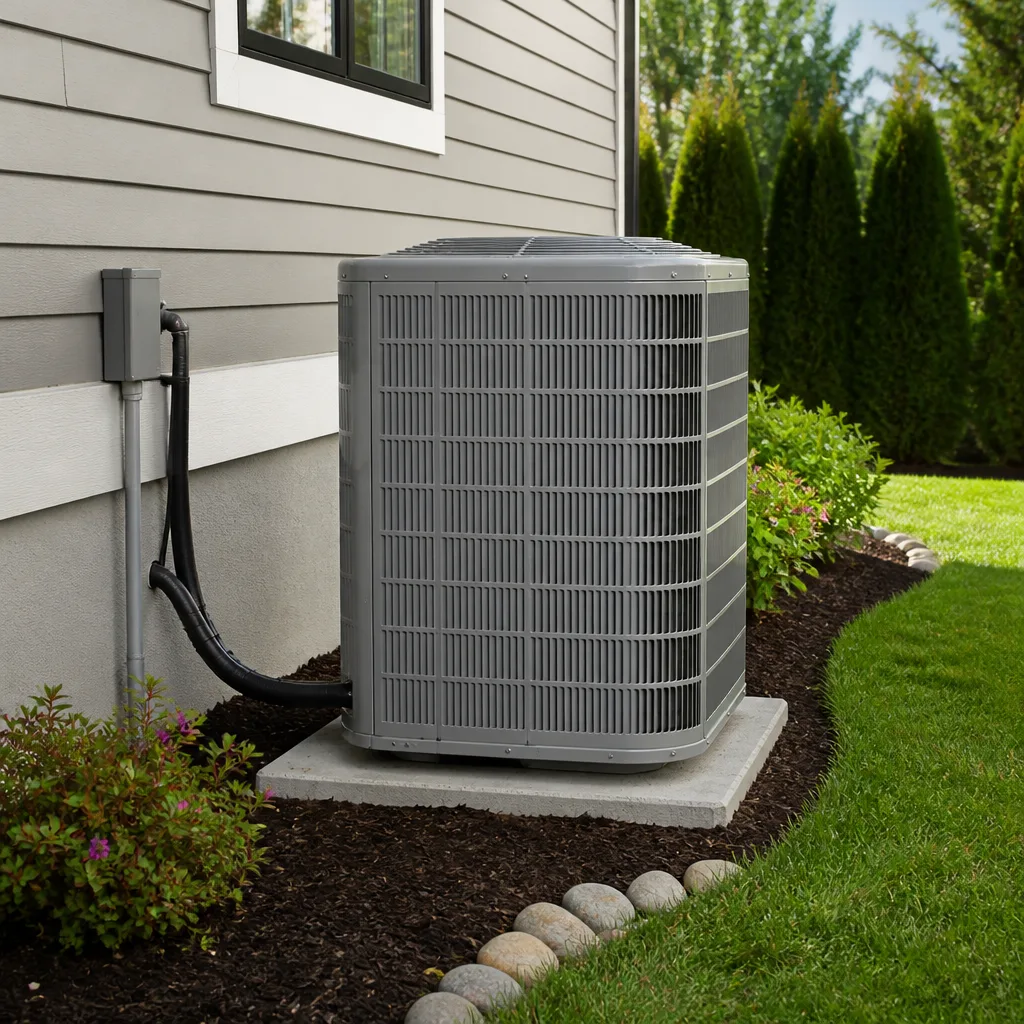 Carrier
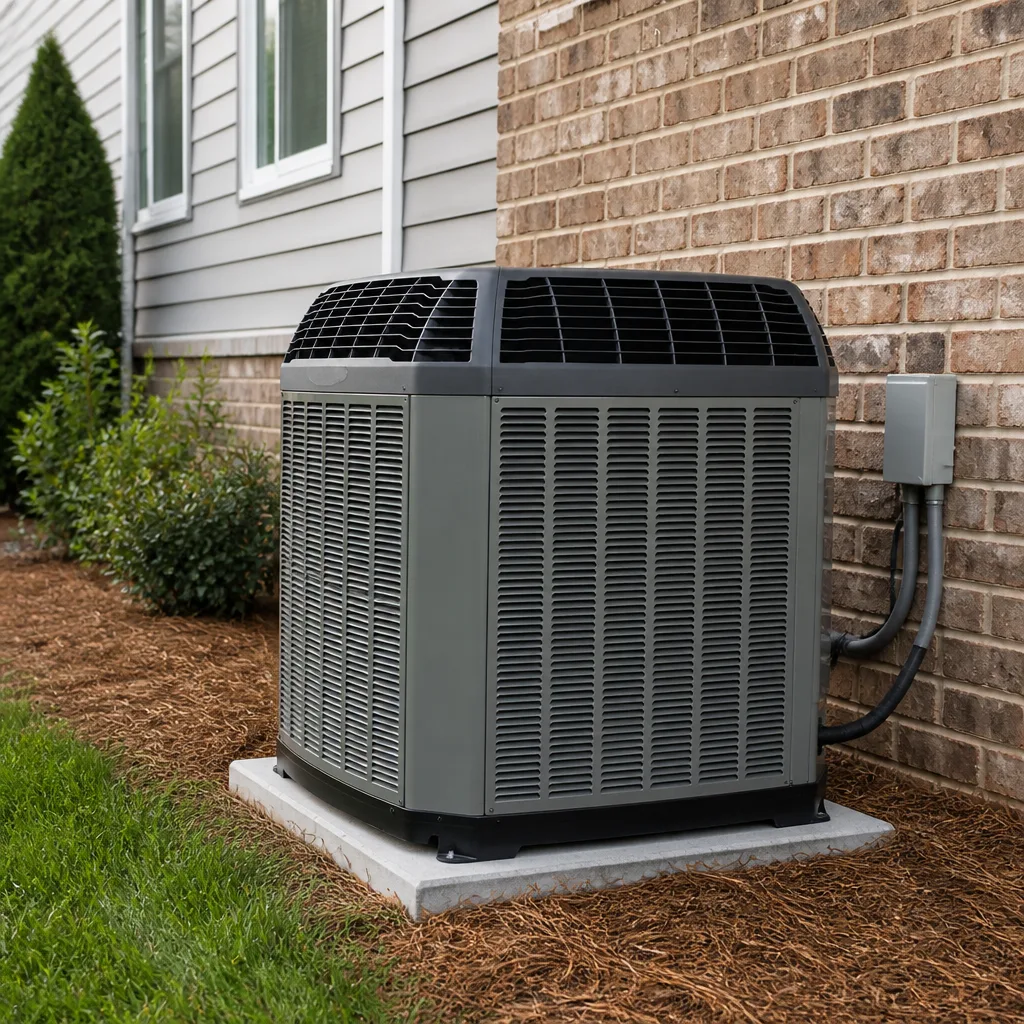 Trane
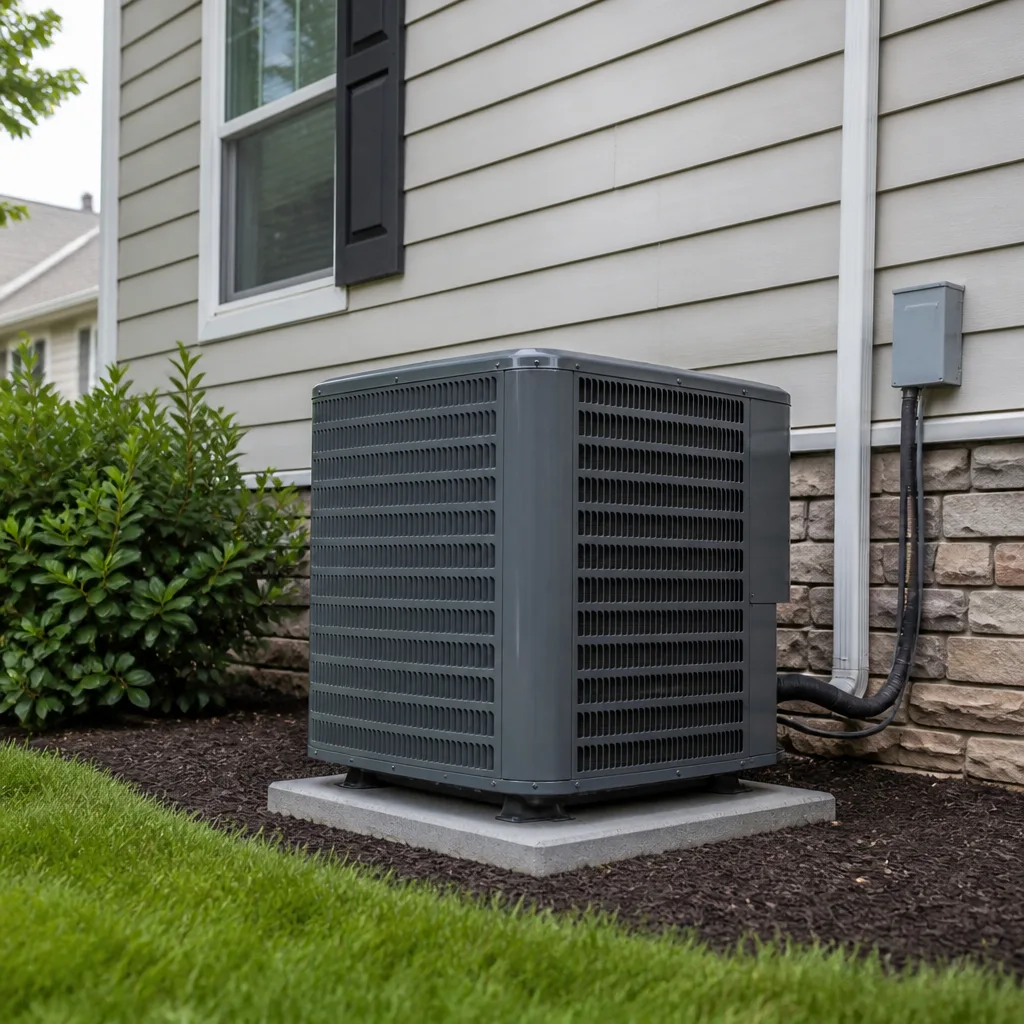 Goodman
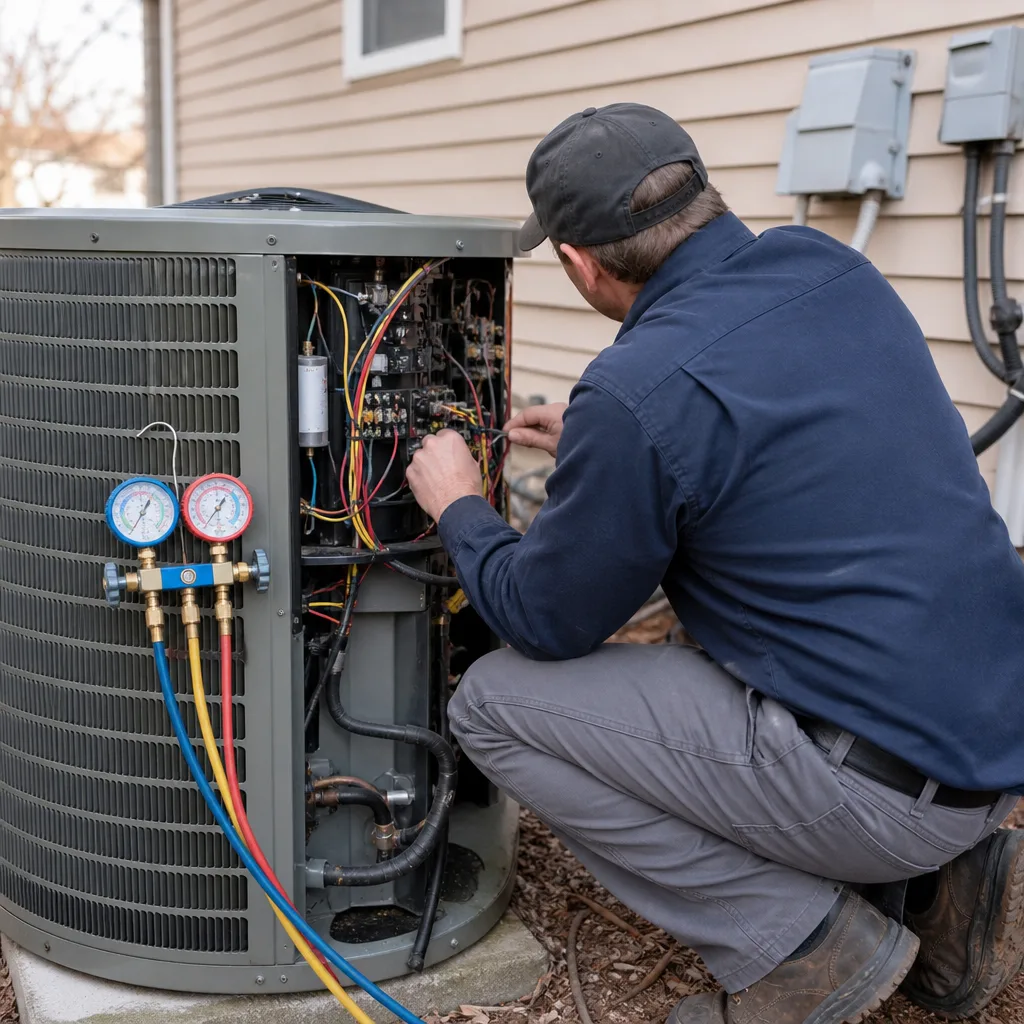
Seasonal tune-up and full diagnostic on your Carrier, Trane, or Goodman system - readings shown to you before any repair is proposed
Diagnosis first, numbers second - you approve the repair price before a single part goes in.
Get your free estimateHVAC Cost Breakdown: The West Jordan Homeowner’s Reference for 2026
Search “AC replacement cost” and you’ll get a national average somewhere around $5,000 to $7,000. Then the quote shows up at $8,400 and the homeowner is left wondering who’s lying. Neither number is wrong. National averages blend cheap-labor markets with expensive ones, house sizes from 900 to 4,000 square feet, and equipment tiers that aren’t remotely the same machine. The number you actually need is calibrated to your home, your ductwork, your electrical panel, and the Utah labor market. This guide walks through what HVAC work really costs in West Jordan in 2026, and more usefully, what pushes a project from the bottom of a range to the top so you can read your own quote instead of just comparing totals.
Quick Answer
HVAC costs in West Jordan in 2026 typically run $4,800 to $9,500 for AC replacement, $3,900 to $8,200 for furnace replacement, $7,500 to $15,000 for a full system replacement, and $9,000 to $18,000 for a new installation including ductwork. The single biggest cost driver is not the equipment brand – it’s your home’s duct sizing, electrical capacity, and whether the job stays on the same refrigerant family. All estimates are per job, and the written estimate sets the final price.
Styles & brands we work with
- AC repair
- Furnace & heating
- Heat pumps
- Ductless mini splits
- Carrier
- Trane
- Goodman
Table of Contents
- Why West Jordan HVAC Costs Don’t Match the National Average
- AC Replacement Cost in West Jordan for 2026
- Furnace Replacement Cost in West Jordan for 2026
- Full System Replacement: AC and Furnace Together
- New Installation and Ductwork Costs
- The Variables That Move a Quote Up or Down
- Repair vs. Replace: The Honest Math
- Financing and Rebates for 2026
- Common Mistakes to Avoid
- When to Call a Professional
Why West Jordan HVAC Costs Don’t Match the National Average
Utah HVAC labor rates run somewhat above the national average, and the reason isn’t greed. It’s supply. The Wasatch Front has a deep pool of homes and a shallower pool of technicians who are both licensed and experienced on modern refrigerant systems. When demand spikes during a July heat wave or a January cold snap, the labor market tightens fast. That’s the environment every West Jordan homeowner is shopping in.
The second factor is climate load. West Jordan sits in a high-desert valley where summer design temperatures push equipment harder than the coastal and midwestern markets national cost guides lean on. Equipment sized for a 95°F design day in Ohio is not sized for a 100°F day in the Salt Lake Valley. That means slightly larger tonnage, more rigorous load calculations, and sometimes a condenser with a higher capacity rating – all of which affect the quote.
The third factor is the housing stock. West Jordan has a wide mix: 1970s and 1980s ranch homes with undersized ductwork, 1990s two-story builds with decent but aging systems, and newer construction in the western subdivisions with tight envelopes and modern refrigerant. A 1,400-square-foot ranch on a 1970s duct system is a different job than a 2,600-square-foot newer build, and pricing reflects that.
What actually drives the number
- Equipment tier – base single-stage vs. two-stage vs. variable-speed
- Refrigerant family – R-410A legacy vs. R-454B transition cost
- Duct condition – retrofit, resize, or seal
- Electrical capacity – existing panel adequacy for the new condenser
- Permit and inspection – Jordan area jurisdiction fees
- Labor hours – typically 6 to 12 technician hours for a standard replacement
AC Replacement Cost in West Jordan for 2026
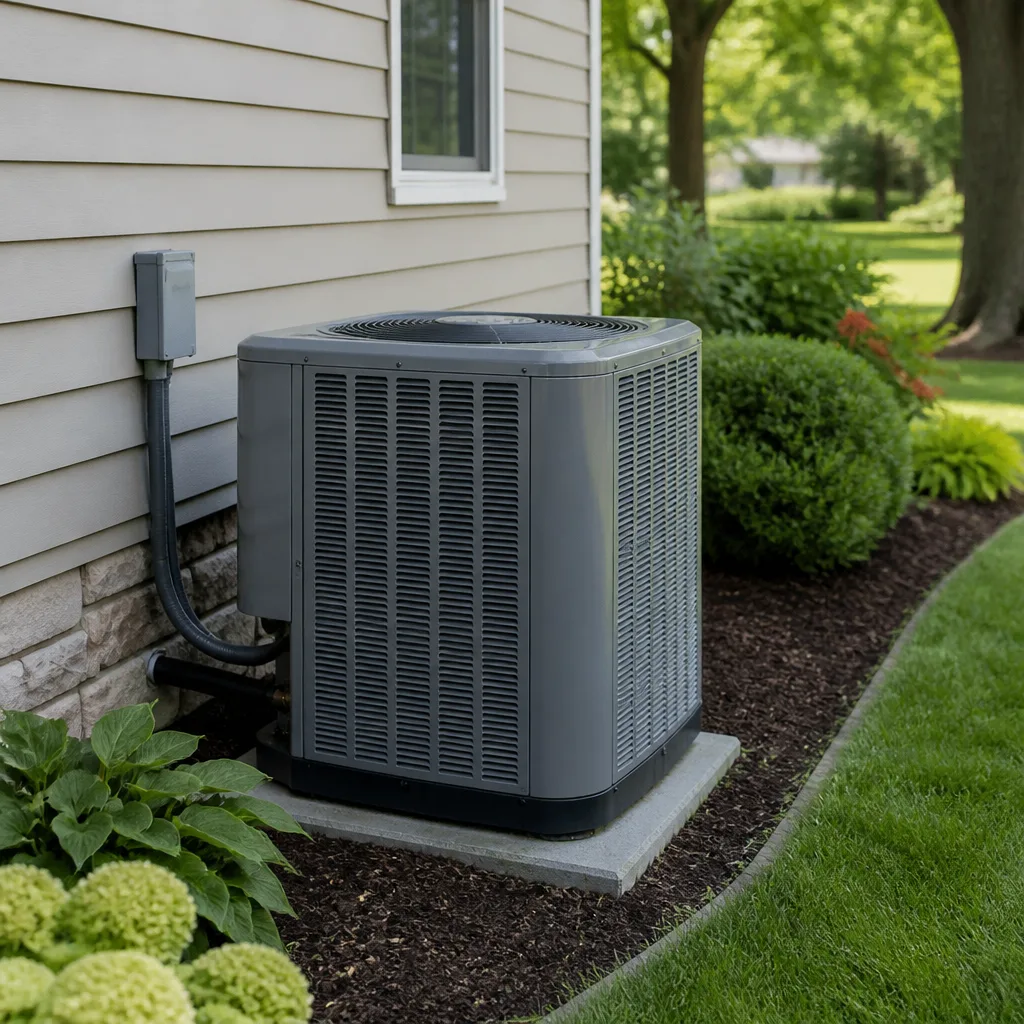
AC replacement in West Jordan typically runs $4,800 to $9,500 for a standard residential replacement, with most jobs landing between $6,200 and $7,800. The low end assumes same-tonnage swap, adequate ductwork, and base single-stage equipment. The high end covers variable-speed systems, larger tonnage, duct modifications, and electrical work.
Tiered AC replacement ranges
- Low ($4,800 to $6,000): Base single-stage condenser, same-tonnage replacement, existing ducts adequate, standard electrical. Brands like Goodman and Rheem land here.
- Mid ($6,000 to $7,800): Two-stage or higher-efficiency single-stage, minor duct sealing, small electrical upgrades. Carrier, Trane, and American Standard commonly sit here.
- High ($7,800 to $9,500): Variable-speed system, duct modifications, larger tonnage for added square footage, panel upgrades. This is where high-SEER2 equipment and duct resizing live.
For context on what a full AC job involves, see our page on AC installation. One detail many homeowners don’t realize: refrigerant transition is a real cost line in 2026. Systems installed before the R-454B transition that need replacement mid-life may require a full system changeout rather than a component swap, because R-410A and R-454B components don’t mix. That’s the difference between a $900 repair and a $6,500 replacement.
We service Carrier, Trane, Lennox, and American Standard on the AC side, and every quote includes a load calculation and a written estimate before any work begins.
Furnace Replacement Cost in West Jordan for 2026
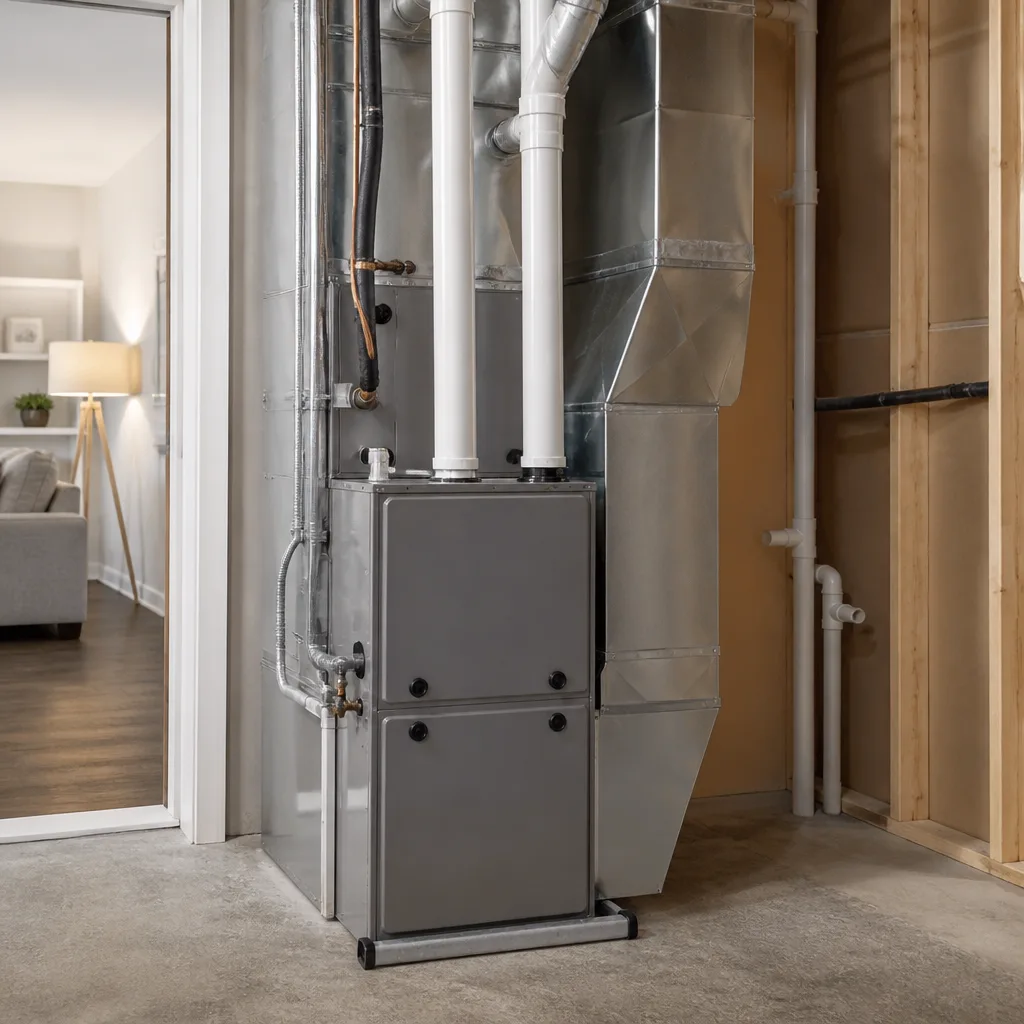
Furnace replacement in West Jordan typically runs $3,900 to $8,200, with most single-family jobs landing between $4,800 and $6,400. The range is narrower than AC replacement because furnace work is more predictable – the equipment, venting, and gas line are all in known positions.
Tiered furnace replacement ranges
- Low ($3,900 to $4,800): Base 80% efficiency, same-BTU replacement, existing venting adequate, standard gas line. Good fit for entry-level equipment.
- Mid ($4,800 to $6,400): 90%+ condensing furnace, sometimes new PVC venting, ECM blower motor. The most common tier in West Jordan’s housing stock.
- High ($6,400 to $8,200): Variable-speed modulating furnace, new vent runs, gas line modifications, larger BTU for added square footage.
Two things push Utah furnace quotes above national averages. First, the condensing furnace venting requirement: high-efficiency units need PVC vent runs, and in a basement or utility closet that sometimes means new penetrations in the exterior wall. Second, gas line sizing – older homes sometimes have a supply line that can’t feed a modern furnace, and that means plumbing work that national cost guides rarely account for.
If you’re still deciding whether to repair, our furnace repair team will tell you straight whether the fix is worth it. Repair vs. replace is a calculation, not a sales pitch, and we’ll give you the honest answer for your specific system.
Full System Replacement: AC and Furnace Together
Replacing both the AC and furnace at once in West Jordan typically runs $7,500 to $15,000, with most coordinated replacements landing between $9,500 and $12,500. The combined price is always less than two separate replacements because labor overlaps significantly – the evaporator coil sits in the air handler that serves both systems.
Why combined replacement usually wins
- The evaporator coil is inside the furnace’s air handler. Replacing the AC later means opening up that same cabinet and paying for the labor twice.
- System matching matters. A new high-efficiency condenser paired with an aging furnace doesn’t deliver its rated SEER2 – the furnace’s blower and coil limit performance.
- Refrigerant transition is easier when both are new. Legacy R-410A components don’t work with R-454B systems, and mixed systems are a liability.
- Warranty coverage is cleaner when both pieces are the same age and brand family.
- One permit, one inspection, one set of labor hours.
In our experience on West Jordan homes, coordinated replacement makes the most sense when the existing equipment is more than 12 years old on either side, or when the repair quote exceeds roughly 40% of a replacement quote. Below that, a straight repair of one component is usually the better financial call.
We handle the AC side, the furnace side, and the full coordinated replacement with the same specialist team – no juggling contractors for the two halves of one system.
New Installation and Ductwork Costs
A new installation including new or modified ductwork in West Jordan typically runs $9,000 to $18,000, with most installation jobs landing between $11,000 and $14,500. This is the range for a home that either has no existing system or has ductwork that needs substantial replacement.
What a new installation covers
- Manual J load calculation and Manual D duct sizing
- New equipment (AC, furnace, or both) in the appropriate tier
- Ductwork – new runs, resized trunks, or full replacement
- Electrical work for the new condenser, including any panel upgrade
- Gas line work for the furnace if needed
- Permits and inspection under Jordan area jurisdiction
Ductwork is often the surprise line item. Homes built in the 1970s and 1980s frequently have duct systems that were sized for the equipment of that era and simply can’t handle a modern high-efficiency system’s airflow. Resizing that ductwork is not optional – a new AC running against undersized ducts will underperform, ice up, and shorten its own service life. It’s the single most common reason a West Jordan quote comes in above the national average.
We size every system to the actual home, not to the old equipment. That sometimes means a tonnage change that looks dramatic on paper but is the right answer for the building envelope.
The Variables That Move a Quote Up or Down
This is the section most cost guides skip. A price range tells you what to expect; understanding the drivers tells you why your specific quote landed where it did. Six variables matter most in West Jordan.
1. House square footage vs. current duct sizing
The single biggest multiplier. A home that’s been added onto – a finished basement, a room addition, a converted garage – often has original ductwork feeding the enlarged floor plan. New equipment alone won’t fix that. Duct work adds $1,500 to $4,500 to a typical replacement.
2. Existing electrical service capacity
Modern condensers draw more current. If the existing panel can handle it, no change. If it can’t, panel work adds $1,200 to $2,800. This is more common in older homes and less common in newer West Jordan subdivisions.
3. Refrigerant type transition
2026 sits squarely in the R-410A to R-454B transition. If your system is R-410A and the equipment needs full replacement, you’re pricing the replacement side, not the repair side. R-410A refrigerant is getting scarcer and more expensive as production winds down, so a repair that looked reasonable two years ago costs more today.
4. Permit and inspection fees
Jordan area jurisdiction permit fees vary by scope. A straight AC replacement, furnace replacement, and full system replacement all require permits, and the fee structure differs for each. Ask your contractor to show the permit line on the estimate – it should be there.
5. Equipment tier and brand
Single-stage base equipment and variable-speed premium equipment can be $2,500 apart on the equipment line alone. There’s no universal “best” brand – the right answer depends on your duct sizing, your climate load, and what the equipment is engineered to do. We service Carrier, Trane, Lennox, American Standard, Goodman, Rheem, York, Daikin, and Bryant, and we don’t push any one of them. Brand-agnostic recommendations mean the right equipment for your home, not the easiest upsell.
6. Access and labor
A basement utility room with clear access is straightforward. A second-floor attic air handler in August is not. Tight crawlspaces, roof-mounted equipment, and access challenges add labor hours. A standard replacement is roughly 6 to 12 technician hours – the exact number depends on the home.
Repair vs. Replace: The Honest Math
The right way to think about repair vs. replace is to compare the repair cost against the remaining service life, not against the purchase price of new equipment. A $900 repair on a 10-year-old system that will run another 6 years is $150 per year of service. That’s a better deal than a $6,500 replacement spread over 18 years, which is $360 per year. The repair wins on that math.
But the calculation changes as equipment ages and as the repair involves expensive refrigerant.
A plain-English decision framework
- Under 8 years old: Almost always repair. The equipment has most of its service life ahead of it, and replacement is rarely justified by cost.
- 8 to 12 years old: Repair if the repair is under roughly 40% of replacement cost and doesn’t involve refrigerant-system components. Replace if it does.
- 12 to 15 years old: Lean toward replacement, especially if two or more major components have failed in the last three years.
- Over 15 years old: Replacement is almost always the better financial call, even if the current repair is modest. When refrigerant, compressor, or heat exchanger work enters the picture, that’s the signal.
One more thing: SEER2 ratings matter for the math. A 15-year-old system running at 10 SEER isn’t just older – it’s using meaningfully more electricity per cooling degree-day than a modern 16 SEER2 unit. That operating-cost gap is part of the real return on replacement and rarely shows up on a contractor’s quote sheet. If you’re on the fence, ask us to estimate it. For West Jordan homes with heavy cooling load, the operating savings can be substantial.
Financing and Rebates for 2026
The 2026 rebate landscape is more useful than many homeowners realize, but it takes specific action to claim. Three programs matter in West Jordan.
1. Questar/Dominion Energy efficiency rebates
Dominion Energy Utah offers rebates on qualifying high-efficiency gas furnaces. The exact rebate amount depends on the furnace’s AFUE rating and the program’s current schedule – we can help you confirm eligibility and complete the paperwork as part of the job. The rebate doesn’t appear on the invoice; it’s claimed after install and paid back separately, typically as a statement credit or direct payment.
2. Federal tax credits under IRA provisions
The Inflation Reduction Act includes federal tax credits for qualifying high-efficiency HVAC equipment. The 25C credit covers a percentage of qualified equipment cost up to an annual cap, and the specific thresholds depend on the equipment type and efficiency rating. Federal credits are claimed on your tax return, not at the point of sale, so they don’t reduce the out-of-pocket install cost. Your tax preparer handles that side.
3. SEER2 ratings and qualifying equipment
Not every “high-efficiency” system qualifies for these programs. SEER2 thresholds matter – the newer, stricter rating method replaced the older SEER rating system, and programs are calibrated to SEER2. Equipment tier and rating need to line up with the specific program, which is why we look up eligibility per job rather than assuming.
Financing is available for qualifying jobs. HVAC replacement isn’t the kind of expense most households budget for, and the right financing structure can spread the cost in a way that matches cash flow. We’ll walk through the options alongside the written estimate so you can compare the total picture, not just the sticker.
Common Mistakes to Avoid
- Comparing only the bottom-line number between quotes. A $500 lower bid often reflects undersized equipment, skipped permits, or no load calculation – and those gaps cost far more than $500 later. Compare line items, not totals.
- Replacing the AC without addressing undersized ductwork. A new AC running against 1970s-era ducts will underperform its rating and shorten its own life. Duct sizing is a real line item and skipping it is not a savings.
- Choosing a contractor by brand name alone. A contractor who only sells Carrier or only sells Trane is limited to what they stock. Brand-agnostic advice fits the equipment to the home. Ask which brands a contractor actually services.
- Ignoring the refrigerant transition. If your existing system is R-410A, understand that repair costs are heading up as refrigerant gets scarce. A repair that made sense two years ago may not make sense today.
- Skipping the load calculation. An oversized AC cools fast and shorts its cycle, leaving the house humid and uncomfortable. An undersized AC never keeps up. The Manual J calculation isn’t optional – ask for it.
- Assuming “high-efficiency” means the rebate applies. SEER2 thresholds and AFUE thresholds vary by program. Confirm eligibility before you assume the rebate.
- Not asking the repair vs. replace question directly. A contractor who only offers one or the other isn’t giving you an assessment; they’re giving you their business model. Ask for both options.
See the difference
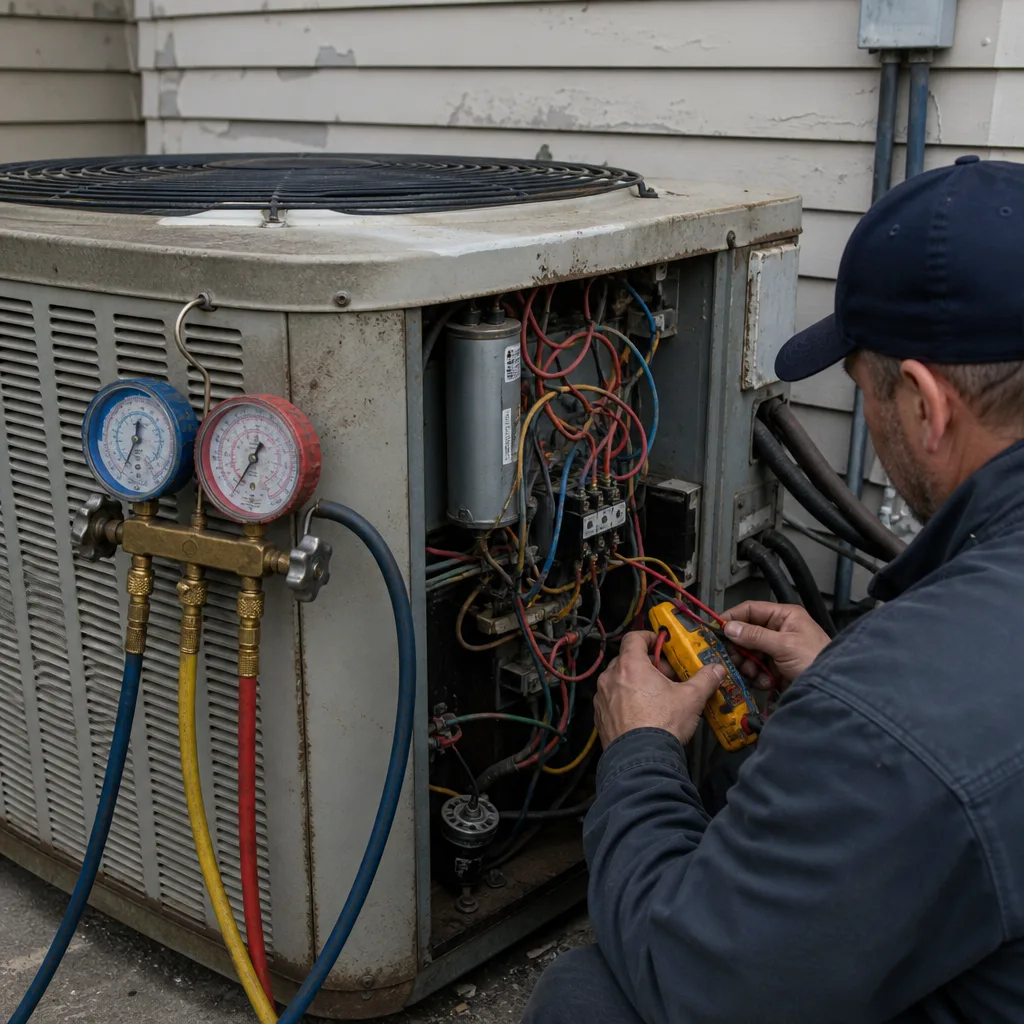 Before
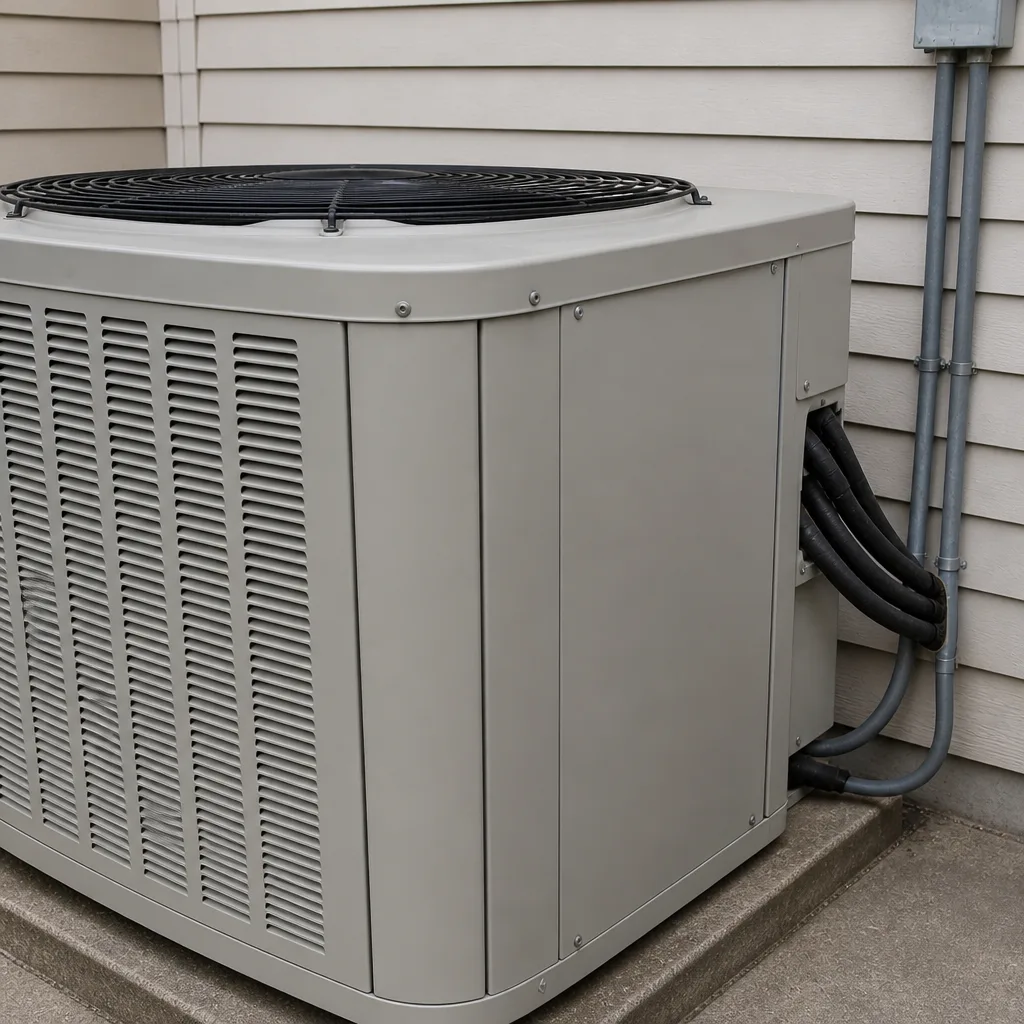 After
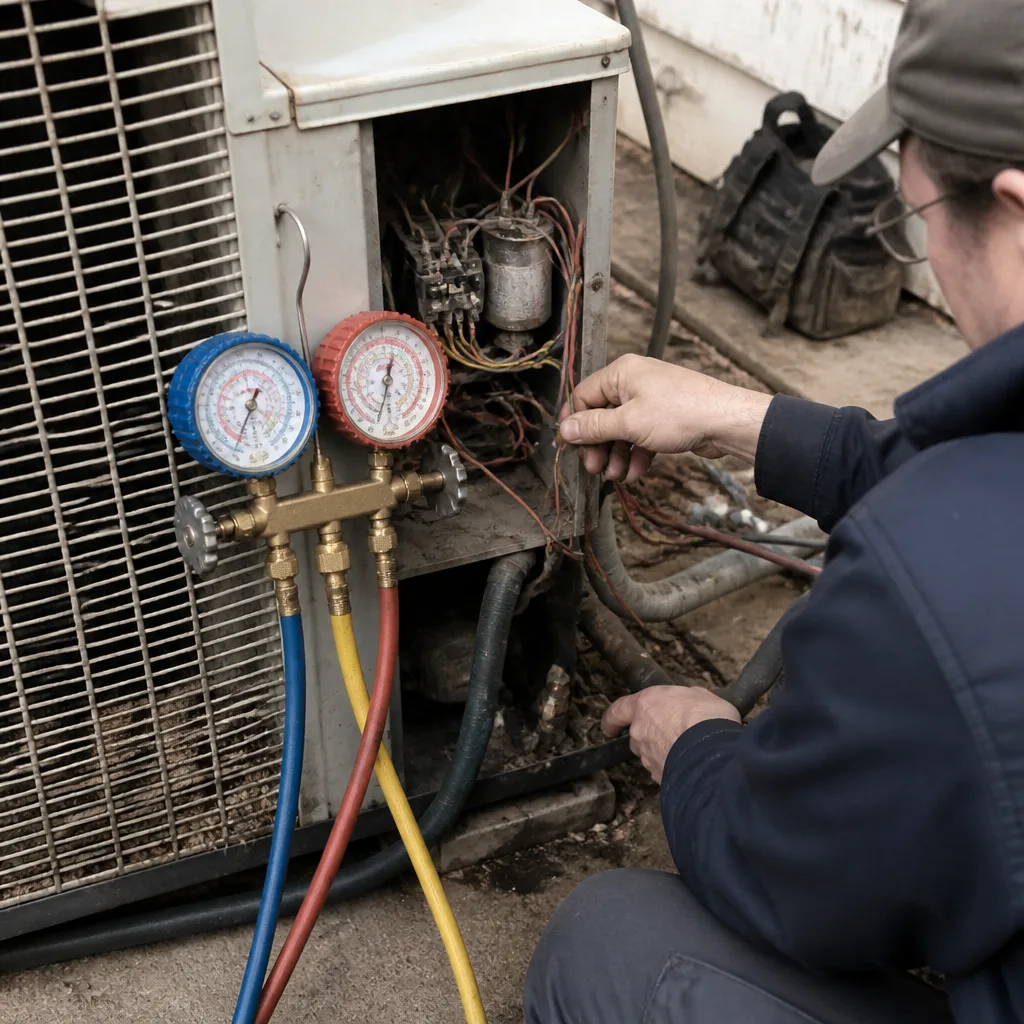 Before
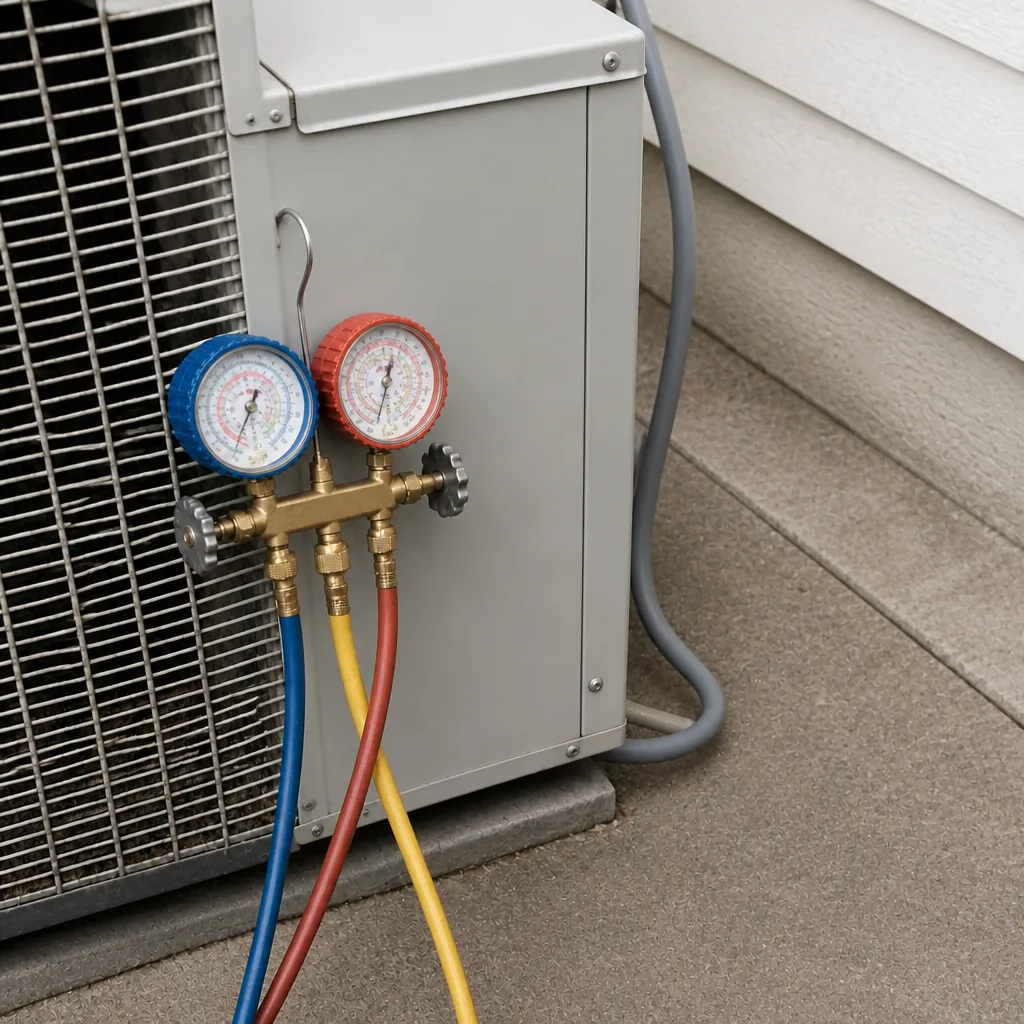 After
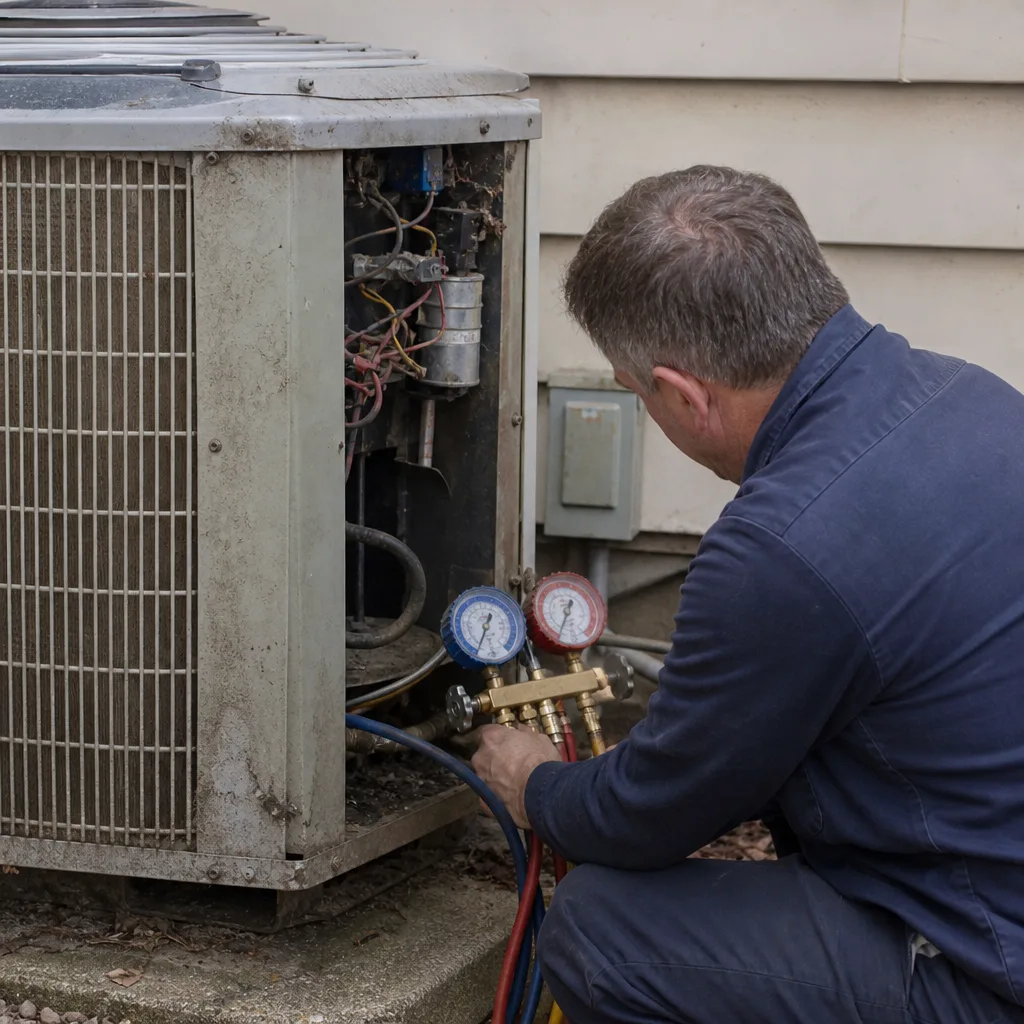 Before
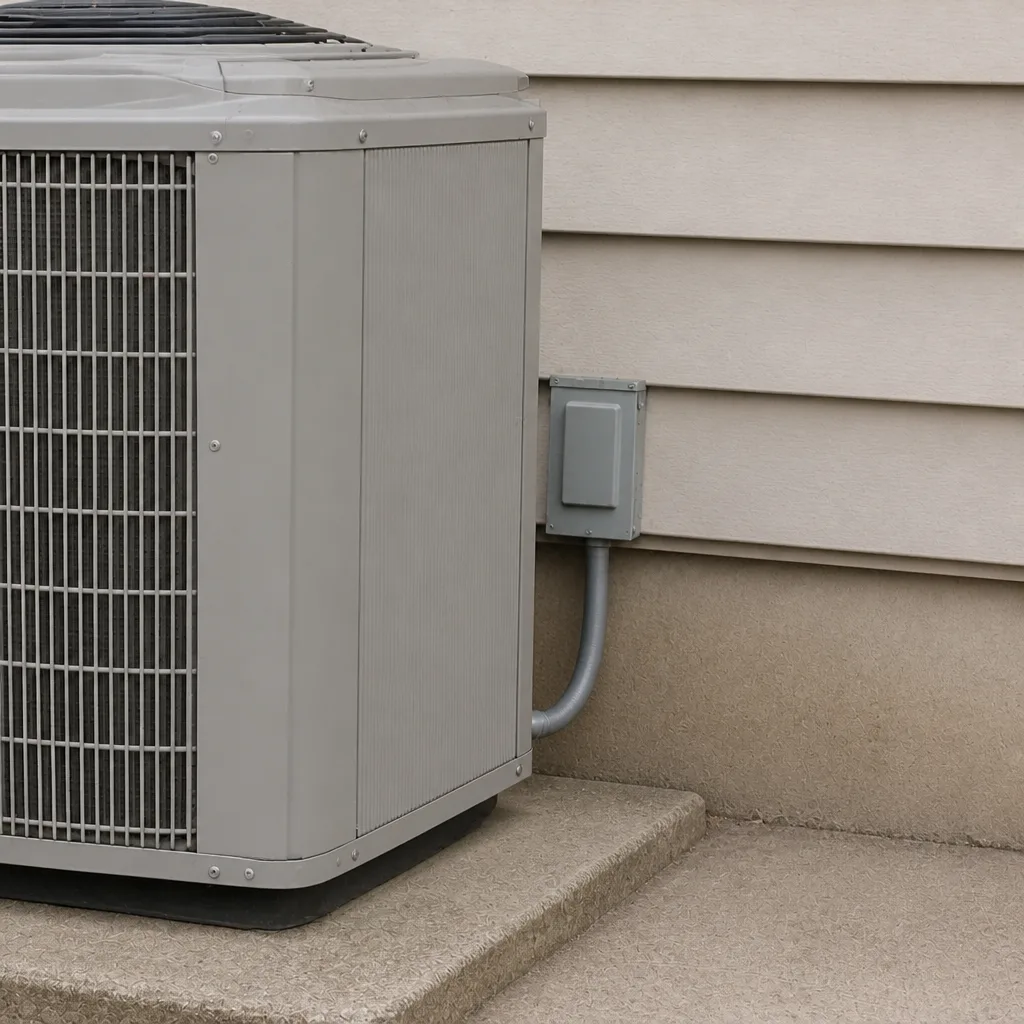 After
When to Call a Professional
Some HVAC issues are genuinely dangerous – a cracked heat exchanger on a gas furnace can introduce carbon monoxide into the home, and a compressor or condenser issue can create electrical risk. If you smell gas, hear a furnace making a sound it’s never made before, or notice soot or odd odors from vents, stop and call a professional. Those aren’t DIY diagnostics.
Beyond safety, call a professional when the repair quote exceeds roughly 40% of replacement cost, when the equipment is over 12 years old and failing on multiple fronts, or when your quote doesn’t include a load calculation and permit. We’re happy to review any estimate and tell you what’s missing. AC Repair West Jordan offers free estimates in West Jordan – call (833) 946-8705. We answer 24/7. Fast dispatch from 7am to 7pm, Sunday through Friday.
Frequently Asked Questions
AC replacement in West Jordan typically runs $4,800 to $9,500, with most jobs landing between $6,200 and $7,800. The range reflects equipment tier, duct condition, and electrical capacity. We provide a written estimate before any work begins. Call (833) 946-8705 for an exact quote – estimates are free.
National averages blend cheap-labor markets with expensive ones and ignore local housing stock. Utah labor rates run above the national average, West Jordan homes often need ductwork resizing or electrical panel work, and the 2026 refrigerant transition adds cost. Your quote isn’t wrong – it just reflects your home and this market.
The right answer depends on equipment age, the size of the repair quote relative to replacement, and whether the problem involves the heat exchanger or refrigerant. Under 8 years old and a repair under roughly 40% of replacement – repair. Over 12 years old with a major component failure – replace. We’ll give you both options in writing. Call (833) 946-8705 for a free assessment.
Three programs apply: Dominion Energy Utah rebates on qualifying high-efficiency gas furnaces, federal Inflation Reduction Act tax credits for qualifying equipment, and SEER2-based eligibility requirements that both programs share. Rebate amounts and credit thresholds vary. We help with the paperwork for the Dominion rebates; the federal credits you claim on your tax return. Call (833) 946-8705 to check eligibility for your specific job.
No – system replacement is not a same-day job. New equipment requires a load calculation, sized ductwork, and a scheduled install date. We provide a written fixed price before install, and we handle the rebate and financing paperwork as part of the job. Call (833) 946-8705 for a free estimate.
We service Carrier, Trane, Lennox, Goodman, Rheem, York, Daikin, Bryant, and American Standard – nine major brands, from base single-stage equipment to premium variable-speed systems. Brand-agnostic means we recommend the right equipment for your home, not the easiest upsell. Whether you need AC repair or a full system assessment, call (833) 946-8705.
The Bottom Line
West Jordan HVAC costs in 2026 run above national averages, and that’s not a warning sign – it’s a reflection of Utah labor rates, high-desert climate load, and a housing stock that often needs duct and electrical work alongside new equipment. Use these ranges as calibration, not comparison: $4,800 to $9,500 for AC replacement, $3,900 to $8,200 for furnace replacement, $7,500 to $15,000 for a full system, and $9,000 to $18,000 for new installation with ductwork. The most useful thing you can do is read your quote line by line – equipment tier, duct sizing, electrical, refrigerant family, permits, and labor hours. If any of those are missing, the quote is incomplete. Every estimate should be in writing, every price is set per job, and the written estimate sets the final price.
We’re a dedicated heating and cooling specialist – not a generalist contractor – and our technicians have up to 13 years of experience on the equipment in West Jordan homes. We service Carrier, Trane, Lennox, Goodman, Rheem, York, Daikin, Bryant, and American Standard. Heating and cooling covered, start to finish. For a free estimate on AC replacement, furnace replacement, or a full system review, call (833) 946-8705. We answer 24/7. Fast dispatch from 7am to 7pm, Sunday through Friday.
Written by the team at AC Repair West Jordan.