
Last updated November 15, 2026
 AC repair
 Furnace & heating
 Heat pumps
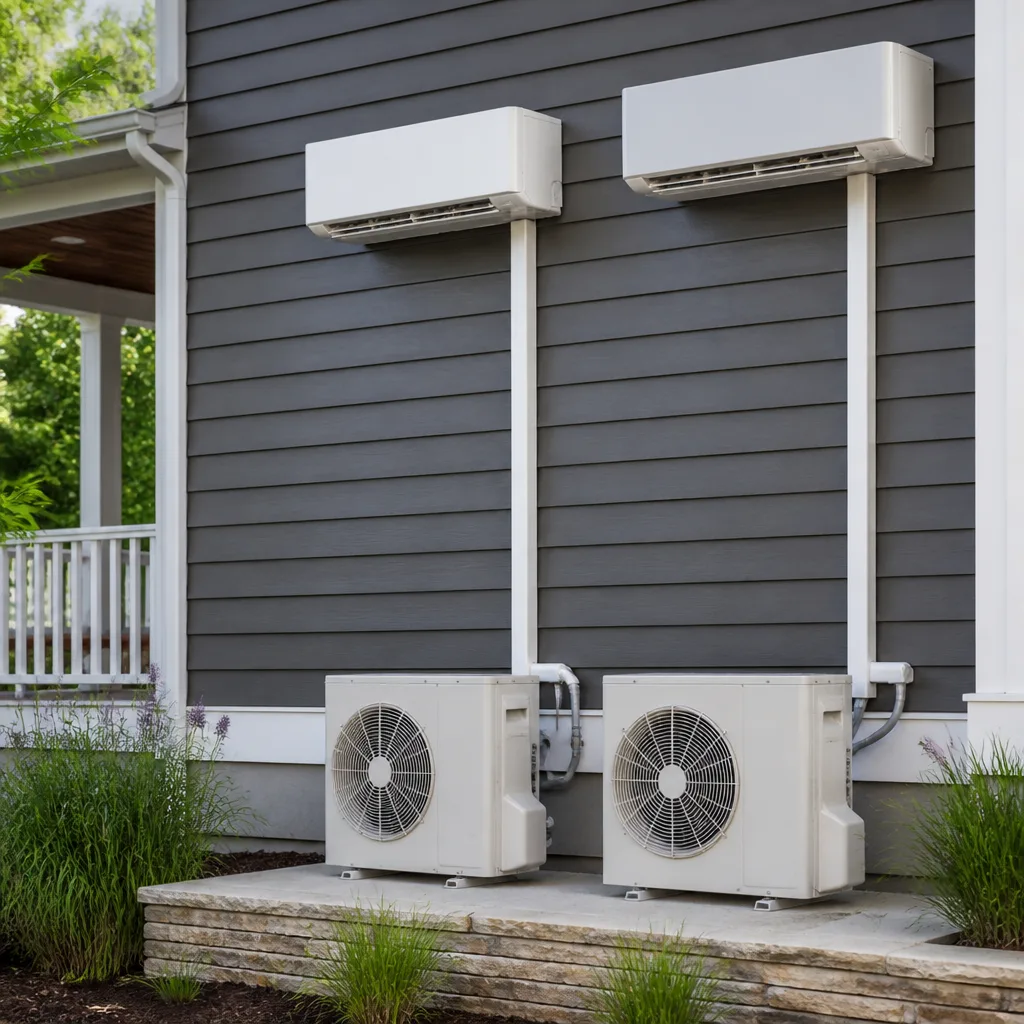 Ductless mini splits
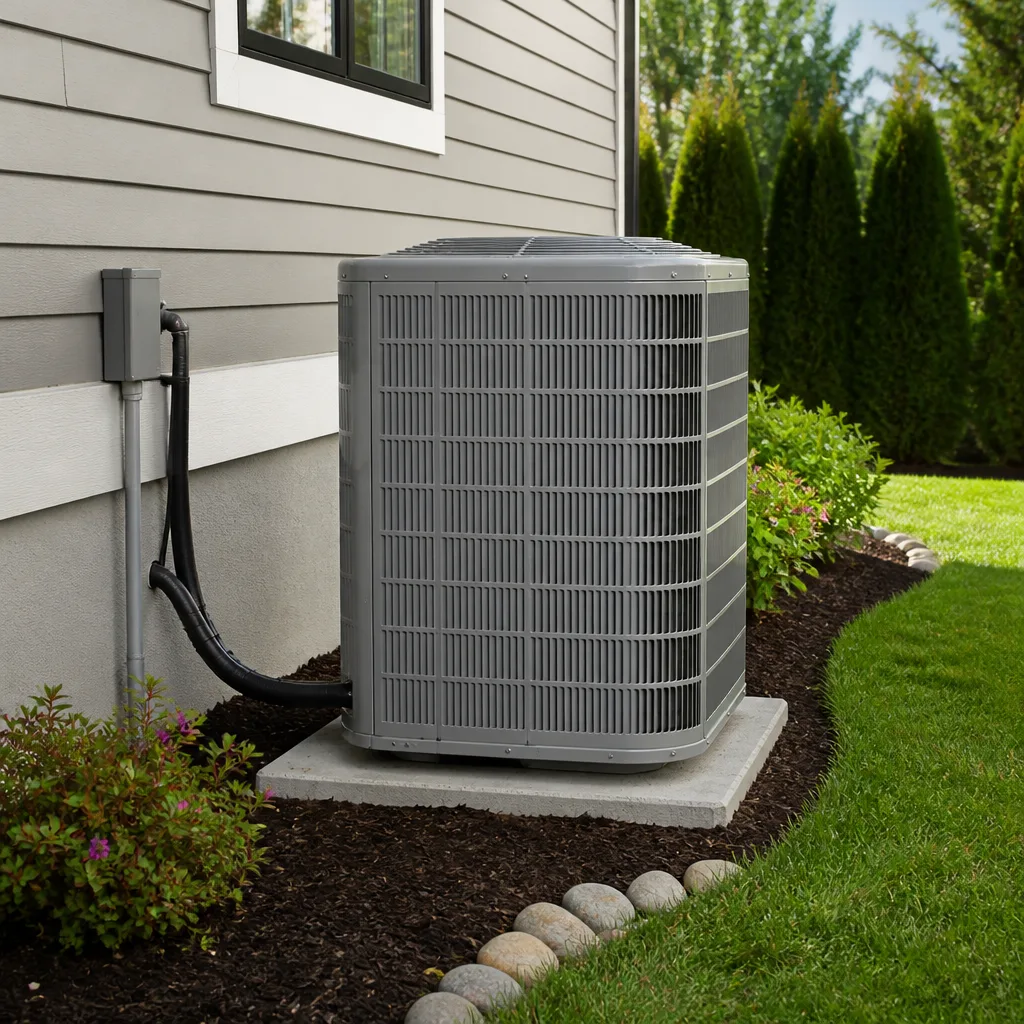 Carrier
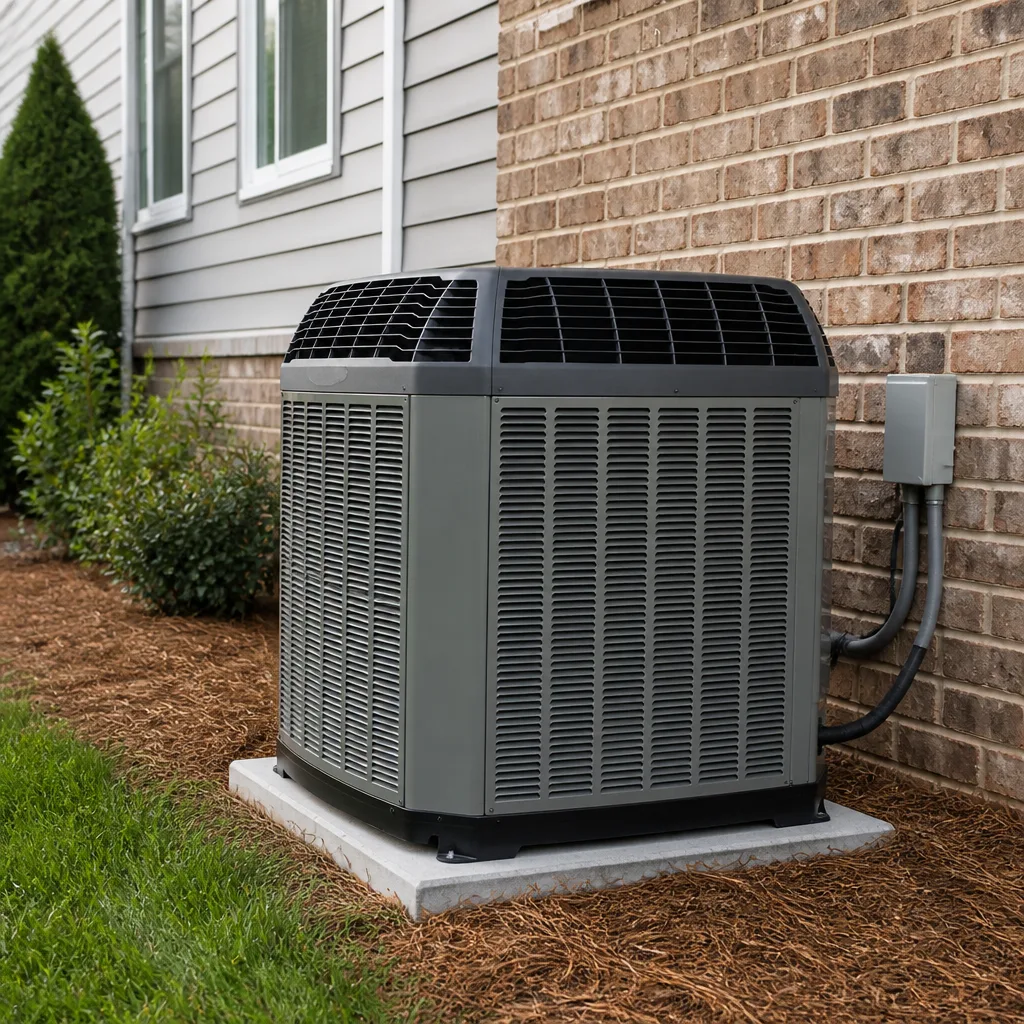 Trane
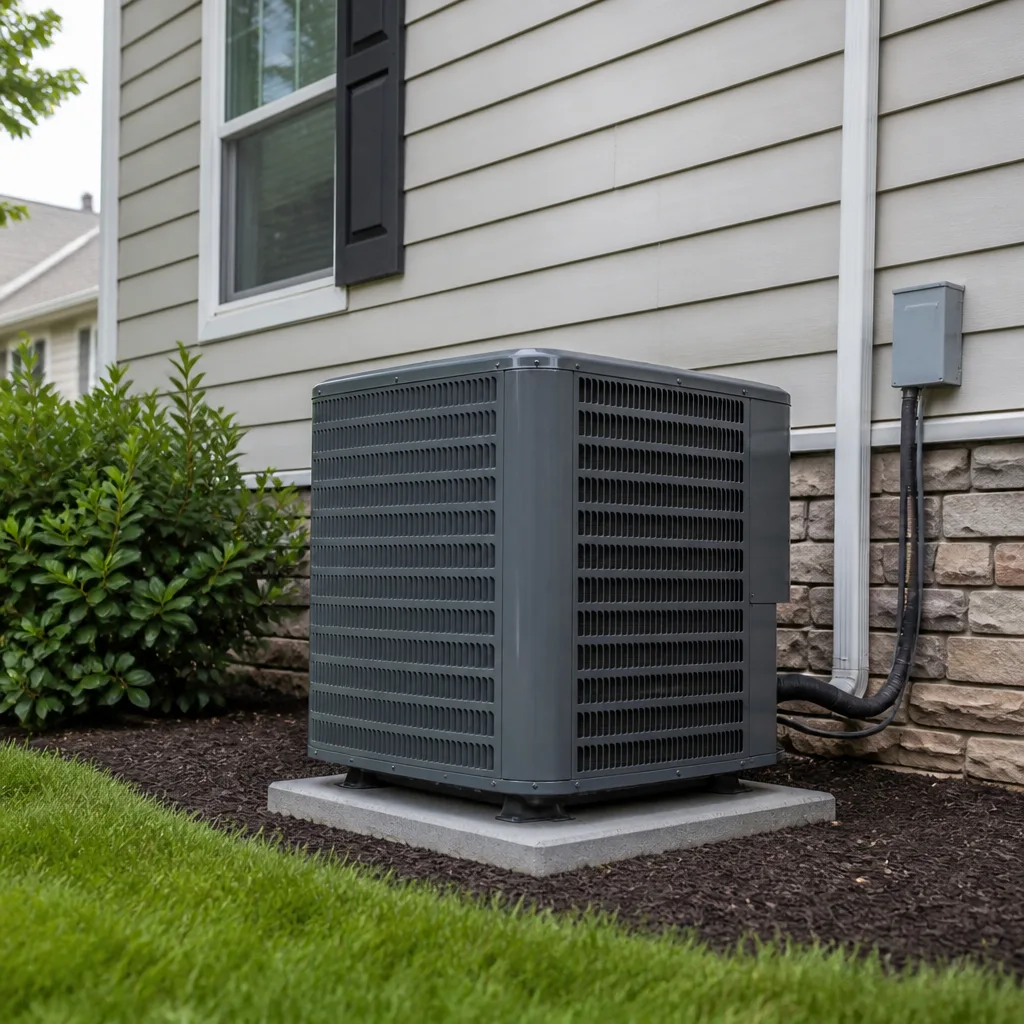 Goodman
Seasonal tune-up and full diagnostic on your Carrier, Trane, or Goodman system - readings shown to you before any repair is proposed
Diagnosis first, numbers second - you approve the repair price before a single part goes in.
Get your free estimateHVAC Permits, Codes & Inspections in West Jordan, UT: What You Need to Know
Most homeowners assume their contractor handled the permit. That assumption is where trouble starts. When a house in West Jordan changes hands, a buyer’s inspector looks at the furnace and AC data plates, checks the model and serial numbers, and asks a simple question the seller often can’t answer: was this work permitted and inspected? If the answer is no, a replacement that felt finished years ago becomes a negotiation problem, an insurance question, or a failed inspection at resale. This guide walks through the actual permit workflow in West Jordan so you can verify your contractor is doing it right instead of taking anyone’s word for it. You’ll learn which jobs need a permit, how to look up your property’s history, what Utah mechanical code requires, and what happens on inspection day.
Quick Answer
In West Jordan, a full HVAC replacement or brand-new installation requires a mechanical permit and inspection. Routine maintenance like filter changes and tune-ups generally does not. Utah’s mechanical code, which follows the International Mechanical Code (IMC), sets the standards for equipment sizing, refrigerant handling, and duct connections that a permitted job is inspected against. The licensed contractor should pull the permit, carry the liability, and hand you the inspection record when the work is done.
Styles & brands we work with
- AC repair
- Furnace & heating
- Heat pumps
- Ductless mini splits
- Carrier
- Trane
- Goodman
Table of Contents
- Which HVAC jobs in West Jordan require a permit?
- How to look up your property’s permit history
- What Utah mechanical code actually requires
- What happens at a mechanical inspection
- Can you pull your own permit in Utah?
- What to ask your contractor before work starts
- Why permits matter at resale and for insurance
- Common mistakes to avoid
Which HVAC jobs in West Jordan require a permit?
Full system replacement and new installation always require a mechanical permit in West Jordan. That covers a furnace swap, an AC condenser and coil replacement, a heat pump install, and any new ductwork or major duct modification. If a technician is cutting into the building envelope, running new line sets, or connecting gas and electrical to new equipment, a permit applies. This is the category where the paperwork matters most and where it most often gets skipped.
The line gets fuzzier in the middle of the list. Here’s how we break it down for West Jordan homeowners:
- New installation or full replacement – permit required. This is the clear-cut case. A new furnace, AC, or heat pump, whether it’s a AC installation or a furnace replacement, needs a mechanical permit and a final inspection.
- Duct modifications – permit usually required if you’re adding, removing, or significantly rerouting supply and return runs. A minor flex-duct repair may not trigger one; a new trunk line almost certainly does.
- Refrigerant work – nuanced. Recharging an existing system or a repair on the sealed refrigerant circuit is generally treated as service work, not a permitted alteration, but refrigerant handling itself is regulated and must be done by a certified technician. A new line set or a coil replacement tied to a condenser swap falls back under the permit.
- Tune-ups and maintenance – no permit. A seasonal tune-up, filter change, or cleaning doesn’t require one, and any contractor who tells you otherwise is adding paperwork you don’t need.
- Thermostat and minor control swaps – typically no permit, though a new low-voltage run in some cases may need one depending on how it’s routed.
Because the middle categories depend on the specific scope, the safest habit is to ask the contractor directly whether a permit is required for your exact job and to get that answer in writing on the estimate. A straight answer here tells you a lot about how the rest of the job will go. Our technicians have up to 13 years of experience and have walked West Jordan homeowners through this exact question, so it’s not a hard one for a real specialist to answer.
How to look up your property’s permit history
You can check whether past HVAC work on a West Jordan home was permitted and inspected by requesting the permit history from the city, and in some cases from Salt Lake County records. The city issues mechanical permits and holds the inspection records; the county may hold related building records depending on when and how the work was done. You don’t need special access. You just need to know what to ask for.
Here’s the process step by step:
- Identify your address and parcel number. Have your property address and, if you can find it, the county parcel number ready. The parcel number speeds up the search.
- Contact West Jordan’s building department. Ask for the permit history on your address. Request mechanical, plumbing, and building permits separately, since HVAC work can fall under a mechanical permit or be bundled into a larger building permit.
- Ask for the inspection status of each permit. A permit that was pulled but never passed final inspection is a warning sign. You want to see a finaled or passed inspection on the HVAC record.
- Cross-check with Salt Lake County records. If the city search comes up empty for an older installation, ask the county whether records exist under a different permit type or a previous address format.
- Request copies of the inspection cards or finaled permits. If you’re buying or selling, get the documentation in writing rather than relying on a verbal “it was permitted.”
This is the step most buyers skip, and it’s the one that matters. Ask for the permit history during the inspection period before you close, when you still have leverage. On the selling side, pulling your own history up front saves you from surprises mid-transaction. A single phone call to the city often resolves the whole question.
What Utah mechanical code actually requires
Utah mechanical code, built on the IMC, sets standards your contractor should meet whether or not you ever ask about them. A permitted job is inspected against these standards, so the code points are also a checklist for what a good installation should look like. Knowing a few of them lets you have a more useful conversation before the work starts.
- Equipment sizing. Furnaces and AC systems must be sized to the home, typically through a heat-load calculation rather than a rule of thumb. Undersized or oversized equipment is a common failure that a proper load calculation prevents. A contractor who sizes by eyeballing square footage is cutting a corner the code expects them to address.
- Refrigerant handling. Refrigerant must be handled by a technician certified under the EPA’s refrigerant rules, with proper recovery, charging by weight, and no venting. This applies to AC repair as much as to a new install.
- Duct connections and sealing. Duct connections must be mechanically fastened and sealed. Leaky joints at the plenum, the coil box, and the transition fittings are common inspection findings and a real efficiency problem in a West Jordan home.
- Combustion air and venting. Gas furnaces need adequate combustion air and properly installed venting. This is one of the more safety-critical code points, and it’s a frequent subject of inspection corrections.
- Electrical and gas connections. The disconnect, the gas shutoff, and the flex connector have specific requirements. An installation that skips the disconnect or bypasses the shutoff won’t pass.
- Condensate management. Condensate lines must drain properly with a trap where required. In a dry, cold inland climate the drainage location matters more than people expect, since a line that discharges somewhere it shouldn’t can freeze or cause water damage in a cold snap.
None of these are exotic. They’re the baseline. The value of a permit is that an independent inspector confirms the contractor actually met them, rather than leaving it to the contractor’s own report. That’s the difference between a job that’s done and a job that’s documented.
What happens at a mechanical inspection
At a mechanical inspection, a city inspector visits the property, checks the installation against the permitted scope and the adopted mechanical code, and either passes it or writes corrections. The inspector is a municipal code official, not the contractor and not an employee of the HVAC company. That independence is the whole point.
A typical inspection for a replacement or new install involves:
- The rough-in or pre-cover inspection for jobs where ductwork or concealed components will be covered up. The inspector wants to see the work before it’s hidden behind drywall or ceiling.
- The final inspection once the equipment is installed and running. The inspector verifies the equipment matches the permit, the electrical and gas connections are correct, combustion air and venting are in place, duct connections are sealed, and the unit operates properly.
- The documentation review, where the inspector confirms the installation matches the permitted scope and checks the equipment labeling and any required manufacturer documentation.
If the inspector finds a problem, you get a correction notice describing what needs to change. The contractor returns to fix it and the inspection is re-scheduled. A failed inspection isn’t the end of the world, but it does add time to your project and it signals that something wasn’t done right the first time. A few common reasons for a correction include an undersized or oversized unit not matching the load calculation, missing duct sealing, improper venting, or an electrical disconnect that doesn’t meet the requirement.
The takeaway for a West Jordan homeowner is simple: ask when the inspection is scheduled and ask to see the passed inspection record when the work is finished. A contractor who isn’t organizing an inspection isn’t doing the full job.
Can you pull your own permit in Utah?
Yes, a Utah homeowner can legally pull a permit for work on their own primary residence in many cases. That doesn’t make it a good idea for an HVAC replacement. Pulling the permit yourself means you take on the liability the licensed contractor would otherwise carry, and that responsibility follows the work for as long as the equipment is in the house.
When you pull the permit as the homeowner, you’re the one who has to schedule the inspection, respond to corrections, and be available during the inspection window. If something fails, the correction is yours to coordinate. And if the work was done by a contractor under your permit, you’re still the permit holder of record, which can complicate things later if a problem surfaces.
In practice, we tell West Jordan homeowners the same thing: let the licensed contractor pull the permit for a furnace replacement or AC installation. The contractor is the one who knows the scope, understands the code points the inspector will check, and can respond if a correction comes up. It’s a small piece of the job that puts the responsibility in the right hands. You keep the inspection record. They carry the rest.
There are edge cases where a homeowner genuinely needs to pull their own permit, such as certain owner-builder situations. That’s a conversation to have with the city’s building department before work starts, not after.
What to ask your contractor before work starts
Before you sign off on an HVAC replacement in West Jordan, ask these questions. A straight answer to each one tells you more than any sales pitch will.
- Will you pull the mechanical permit? The default answer should be yes for a replacement or new install. If the contractor pushes back or says it isn’t necessary, that’s a red flag.
- Who schedules the inspection, and when? The contractor should handle the scheduling and should be able to tell you roughly when the inspection happens relative to the install date.
- Will I get a copy of the passed inspection? You should. Keep it with your home records; it’s exactly what the next buyer’s inspector will ask about.
- How will you size the equipment? A real specialist will mention a load calculation. If the answer is “the same size as the old one,” ask more questions.
- What’s your scope, exactly? A specialist who works only in HVAC will be precise about this. We work in heating and cooling only, which keeps the answers sharper than a contractor who also does plumbing and roofing.
These questions are also useful when you’re comparing contractors. The one who can answer all five without hesitation is the one who’s done this before. When you’re ready to talk through your specific situation, call (833) 946-8705 for a free estimate, and we’ll walk through the permit question for your job. Fast dispatch from 7am to 7pm, Sunday through Friday, and we answer 24/7.
Why permits matter at resale and for insurance
An unpermitted HVAC replacement is one of the more common surprises in a West Jordan home sale, and it surfaces at the worst moment: after a buyer has already made an offer and the inspection is underway. The buyer’s inspector notes the equipment, checks the permit history, finds nothing, and the transaction gets a new complication. Sometimes that’s a renegotiation. Sometimes it’s a request for a retroactive permit or an inspection the seller now has to schedule under time pressure. The work that felt finished years ago becomes a deal problem.
Insurance is the other place it surfaces. A carrier reviewing a claim for a house fire or a water problem may ask whether the installation was permitted and inspected. If it wasn’t, the claim becomes a longer conversation than it needs to be. The same applies to a system failure that’s tied back to the original installation: if the work was never inspected, proving it was done correctly gets harder.
Documented, permitted work is a simpler story on both fronts. It shows a buyer the job was done to code and inspected, and it gives you a record to point to if a question ever comes up. The permit isn’t paperwork for its own sake. It’s the evidence that the work was done right, and it follows the house long after the contractor is gone.
Common Mistakes to Avoid
- Assuming the contractor handled the permit. Don’t assume. Ask directly, and ask for a copy of the passed inspection. Many West Jordan HVAC problems start with a homeowner who was told “it’s handled” and never verified it.
- Choosing the lowest bid without checking permits. A quote that skips the permit is cheaper for a reason: the contractor isn’t carrying the cost or liability that the permitted job requires. It’s not a better price, it’s a shorter job.
- Pulling the permit yourself for a contractor’s job. It’s legal for a Utah homeowner in some cases, but it shifts liability onto you. Let the licensed contractor carry it.
- Not asking how the system will be sized. Equipment sized without a load calculation can be wrong in the dry, cold Wasatch Front climate, and an undersized unit running constantly in a West Jordan winter or an oversized one short-cycling in summer costs you comfort and efficiency.
- Skipping the inspection record. If the inspection passed, get the record and keep it with your home paperwork. It’s the document a future buyer or insurer will ask for.
- Treating ductwork as an afterthought. Duct connections need to be sealed and inspected. Leaky ducts at the plenum and coil box are a common finding and a common reason for failed inspections.
- Using a generalist for an HVAC permit question. A contractor who also does plumbing, roofing, and general contracting may not know the mechanical permit specifics as well as a specialty company. We handle heating and cooling only, and the answers are sharper for it.
See the difference
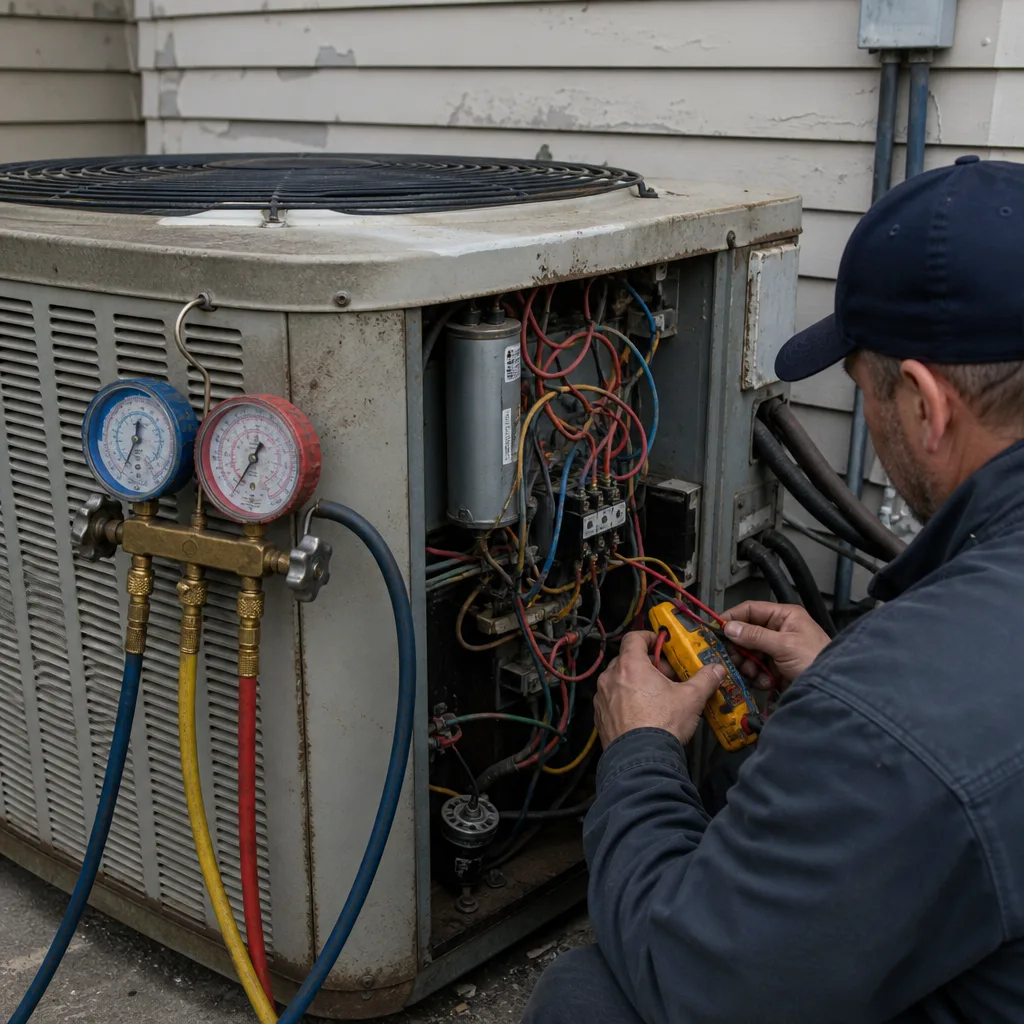 Before
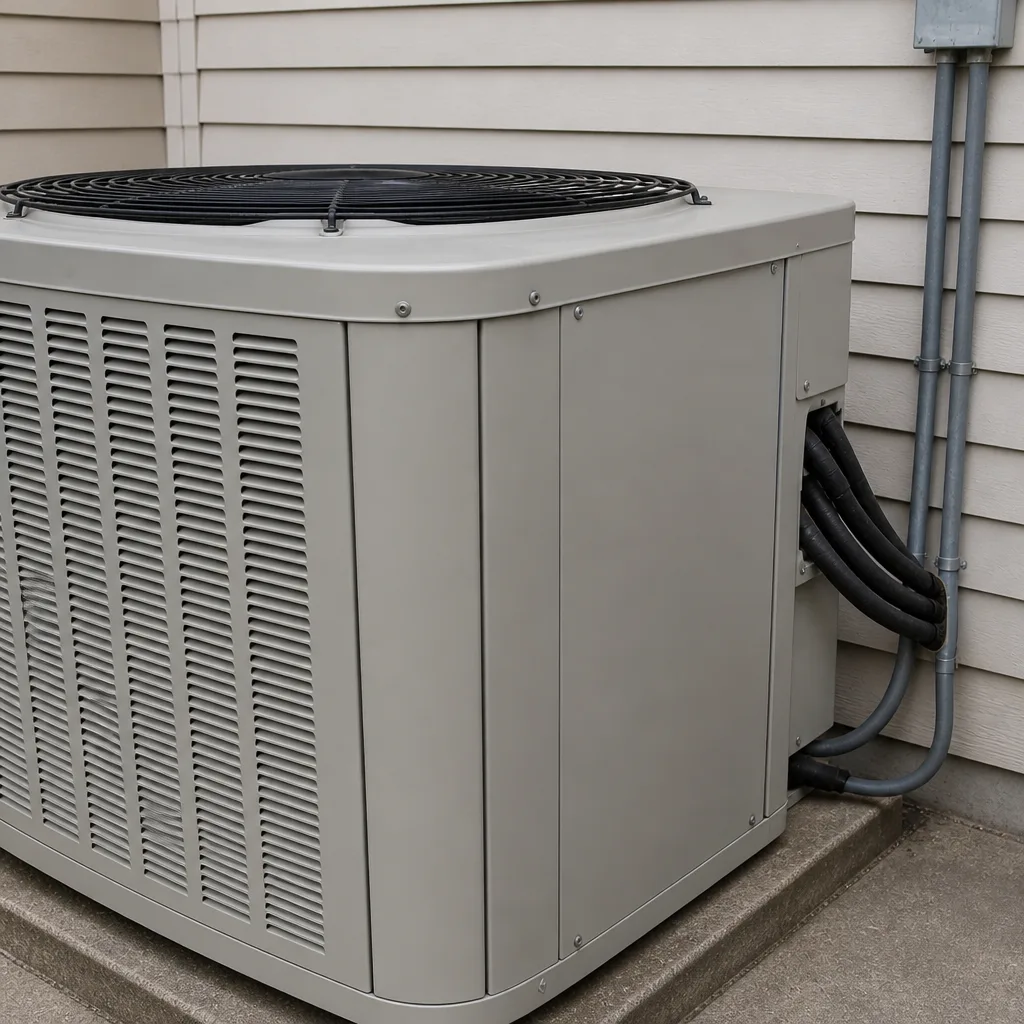 After
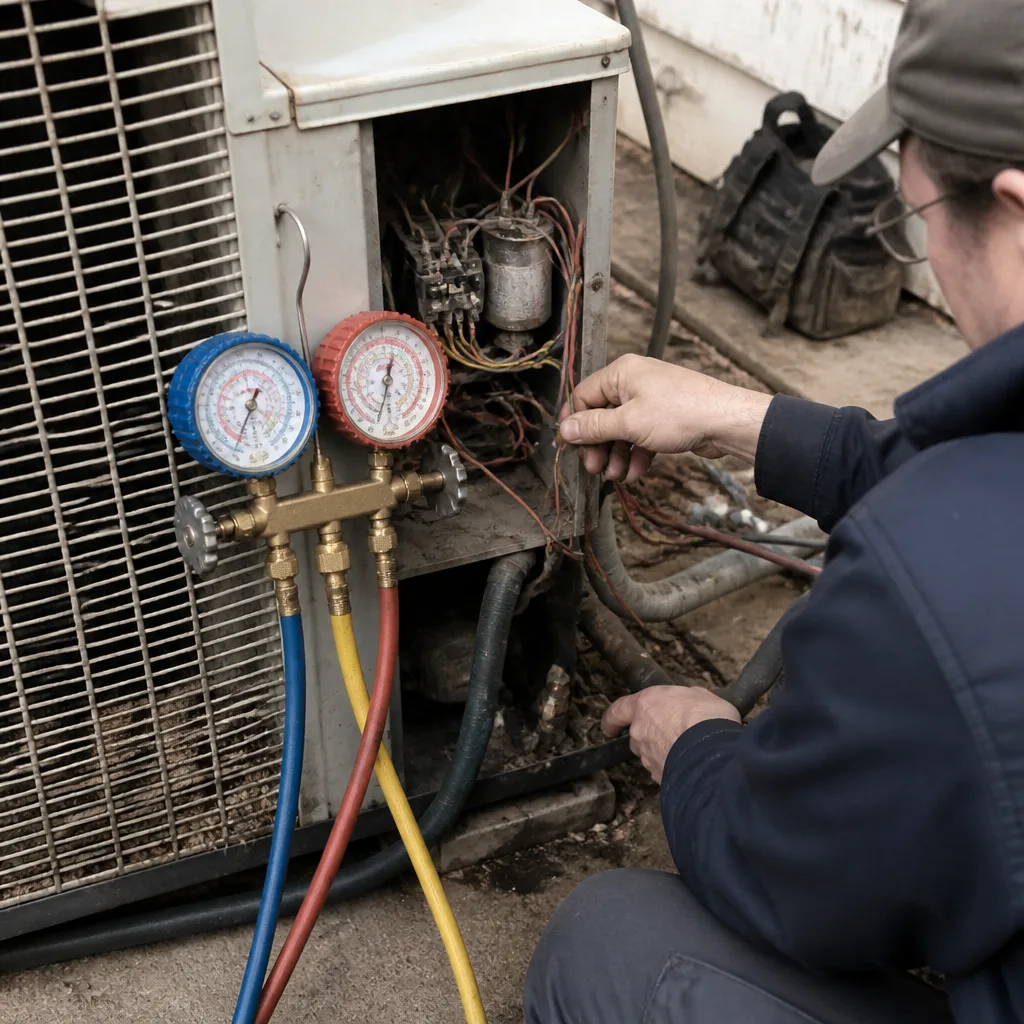 Before
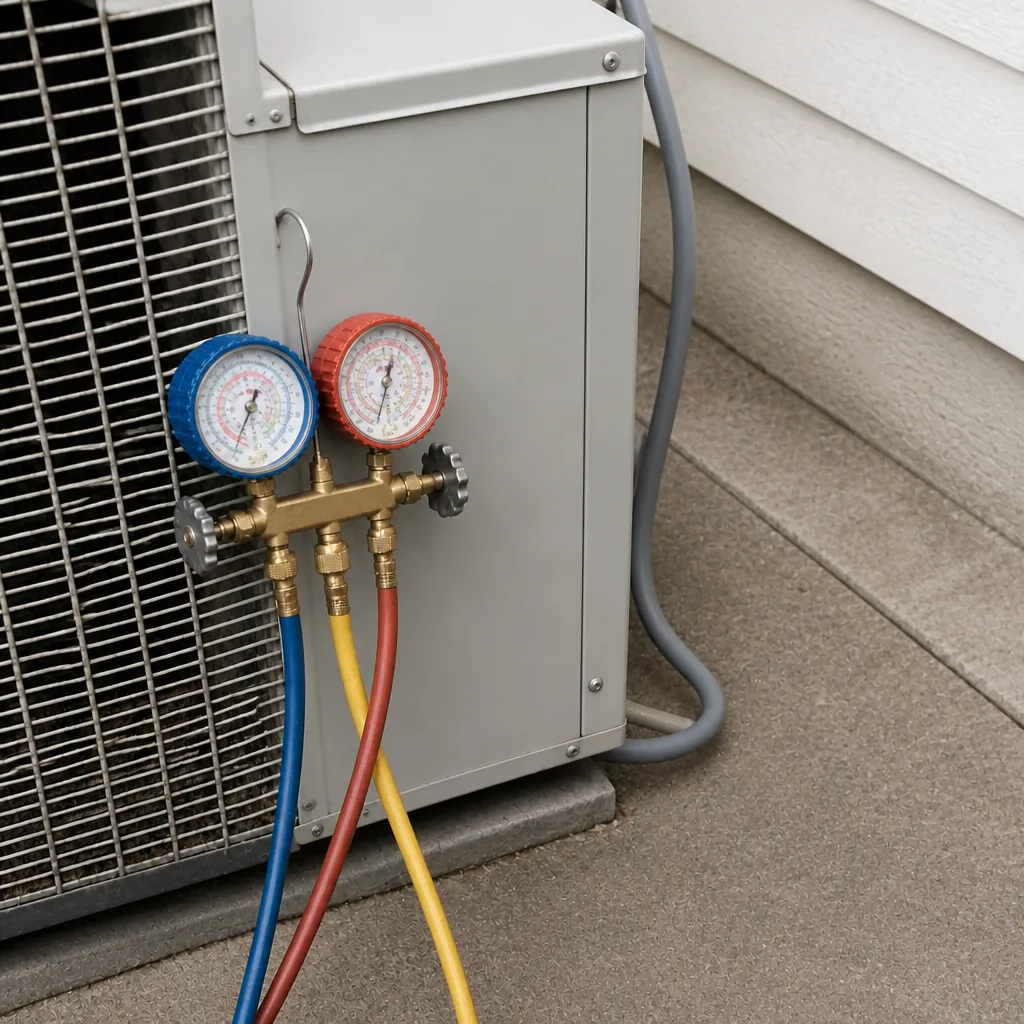 After
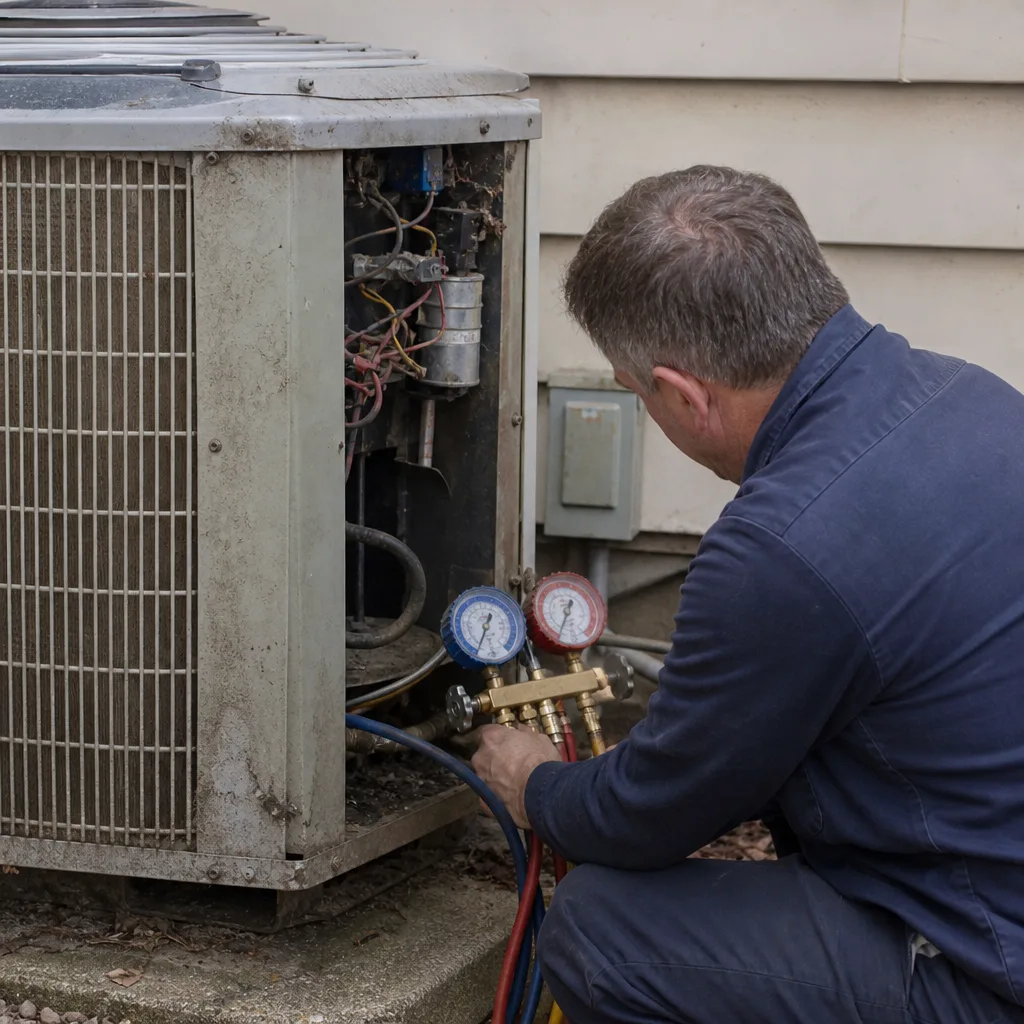 Before
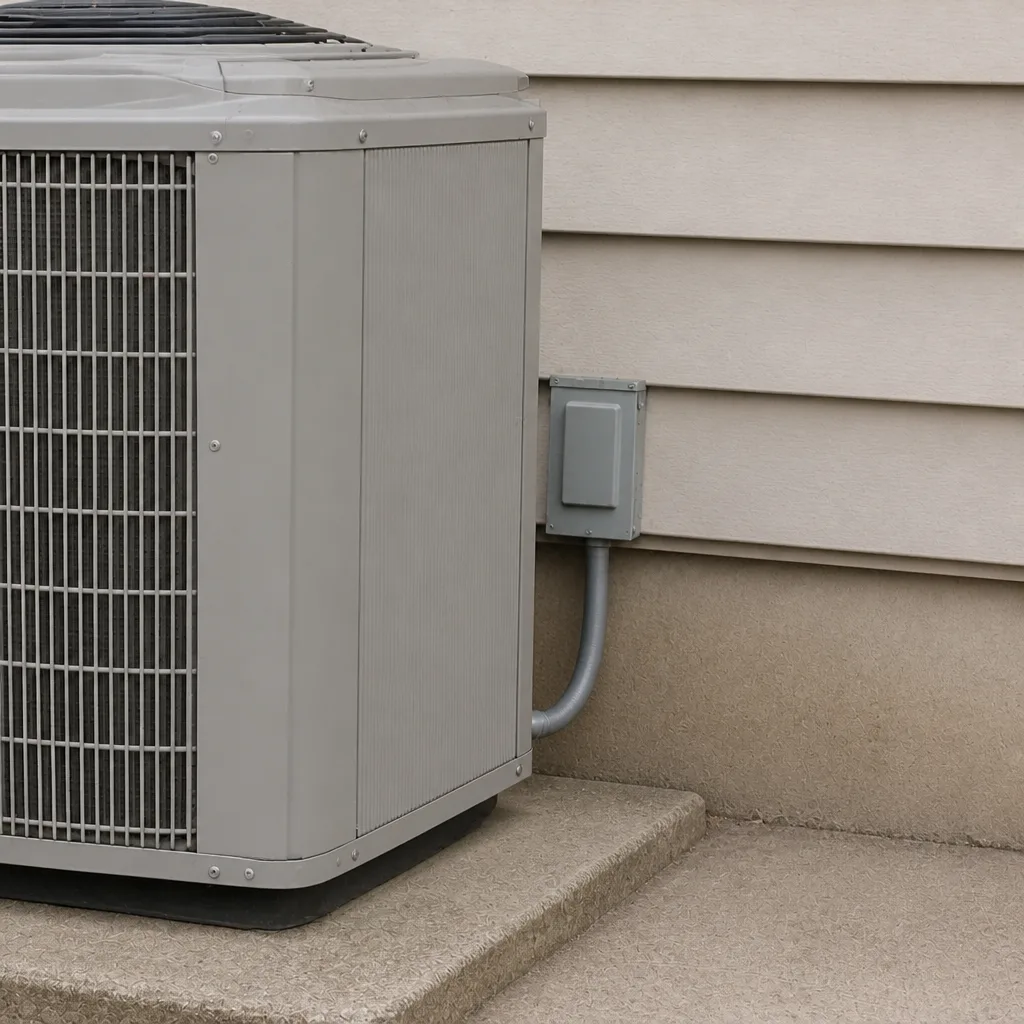 After
When to Call a Professional
Some permit and code questions are worth a conversation with a specialist rather than a guessing game. If you’re planning a full replacement, ask about permits before the work is scheduled. If you’re buying or selling a West Jordan home and the HVAC record is unclear, get help reading the permit history and understanding what’s missing. If a contractor has told you a permit isn’t needed for a full replacement, get a second opinion. And if an inspection correction came up and you’re not sure what it means for your project timeline, that’s a conversation, not a checklist. Our technicians have up to 13 years of experience and work across Carrier, Trane, Lennox, and American Standard systems, among others, so the permit and code questions get answered with the technical detail they need. We offer free estimates in West Jordan. Call (833) 946-8705.
Frequently Asked Questions
Yes. A full furnace replacement requires a mechanical permit and a final inspection in West Jordan. The furnace swap is a permitted alteration, and the inspection is what confirms the installation meets Utah mechanical code for venting, combustion air, electrical connections, and duct sealing. Call (833) 946-8705 for a free estimate, and we’ll confirm the permit scope for your specific job.
Yes. Request the permit history from West Jordan’s building department by address, and ask for mechanical permits separately from building permits. If the record is missing, ask Salt Lake County whether records exist under a different permit type. A finaled or passed inspection on the HVAC record is what you’re looking for. If you’re buying or selling, get the record in writing before closing.
An unpermitted installation can complicate a home sale, an insurance claim, or a future repair. Buyers and insurers often ask for the inspection record, and without it the work has to be verified retroactively. Getting a permit and inspection on the front end is simpler than untangling the problem later. If you’re facing an unpermitted install, call (833) 946-8705 for a free estimate on getting it squared away or replaced.
No. Routine tune-ups, filter changes, cleaning, and refrigerant service on an existing system generally do not require a permit. A permit applies to new installation, full replacement, and major ductwork modifications. If a contractor tells you a tune-up needs a permit, ask why; the answer usually reveals a misunderstanding of the scope.
The licensed contractor should pull the permit for a replacement or new installation. Utah does allow a homeowner to pull a permit for their own primary residence in many cases, but doing so shifts the liability and the inspection coordination onto you. Letting the contractor carry the permit keeps the responsibility where it belongs and gets you a cleaner record for the house. Call (833) 946-8705 to talk through your options.
No. The permit is about the installation meeting code, not the brand. Your contractor’s ability to work on your chosen equipment matters more, which is why it helps to choose a specialist who services a broad range of brands. We work on Carrier, Trane, Lennox, Goodman, Rheem, York, Daikin, Bryant, and American Standard, so the equipment choice isn’t limited by what we know how to service. Call (833) 946-8705 for a free estimate on your replacement.
For a broader look at what we handle across the area, see our West Jordan page, and if a furnace is acting up before you’ve even reached the replacement stage, furnace repair is the place to start. If your AC is on its way out and you’re weighing equipment options, our guide on AC installation covers what a replacement involves. Heating and cooling covered, start to finish, with the permit workflow built in from the first conversation.
The Bottom Line
Permits on an HVAC replacement in West Jordan aren’t paperwork for its own sake. They’re the record that proves the work was done to code, and that record follows your house for as long as the equipment is in it. Pull it through your contractor, ask for the passed inspection, and keep it with your home documents. The code points we covered, from equipment sizing to venting to duct sealing, are the standards any good installation should meet, whether or not you ever ask about them. If your contractor can’t answer the permit question clearly, that’s the signal to keep looking. When you want a specialist’s straight answer on your system, call (833) 946-8705 for a free estimate. We answer 24/7, with fast dispatch from 7am to 7pm, Sunday through Friday.
Written by the team at AC Repair West Jordan.