
Last updated November 15, 2026
 AC repair
 Furnace & heating
 Heat pumps
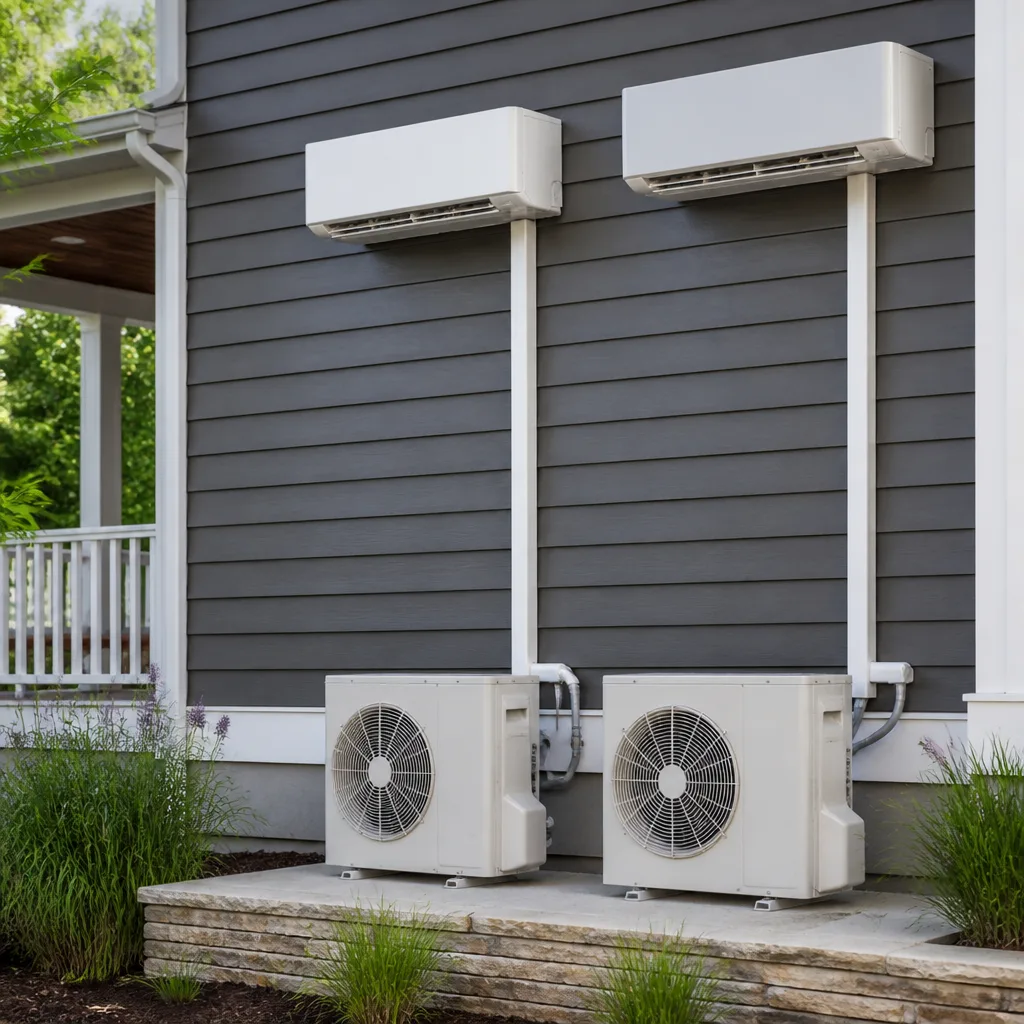 Ductless mini splits
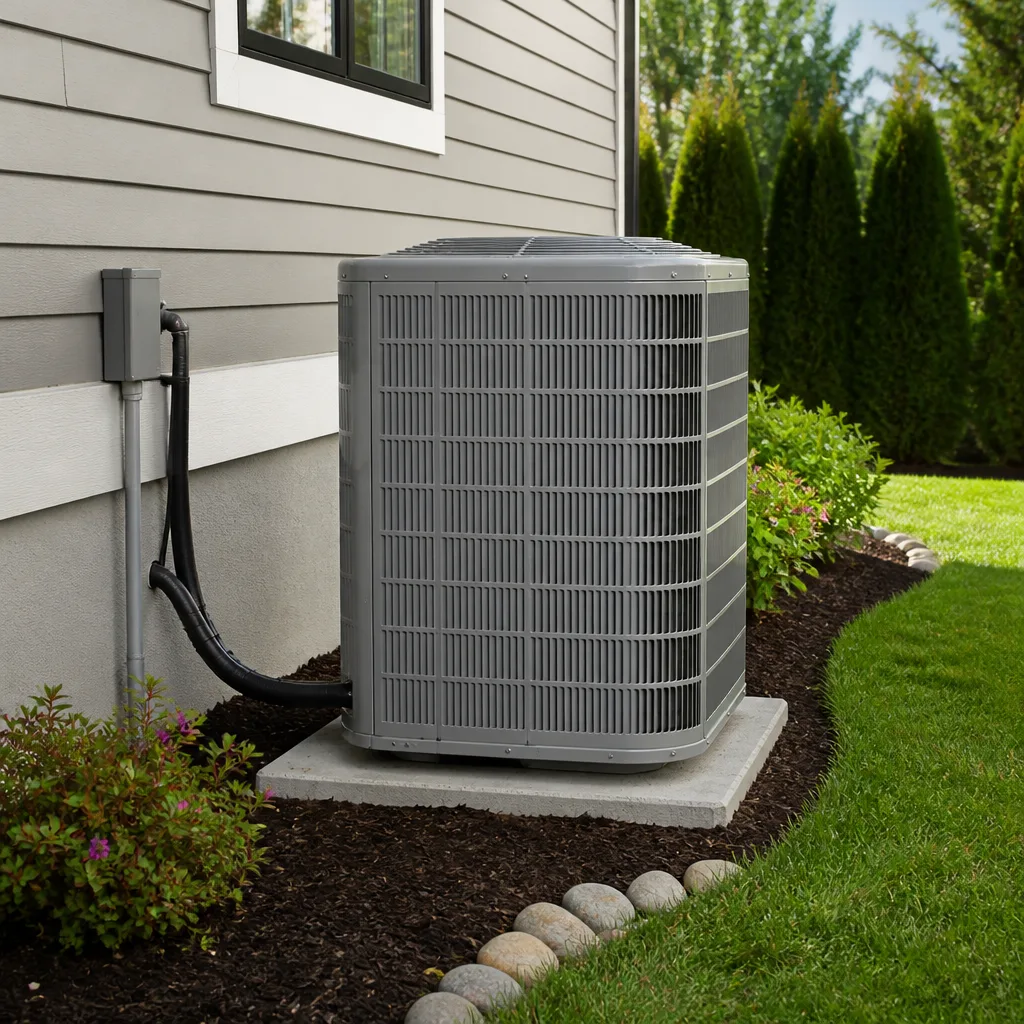 Carrier
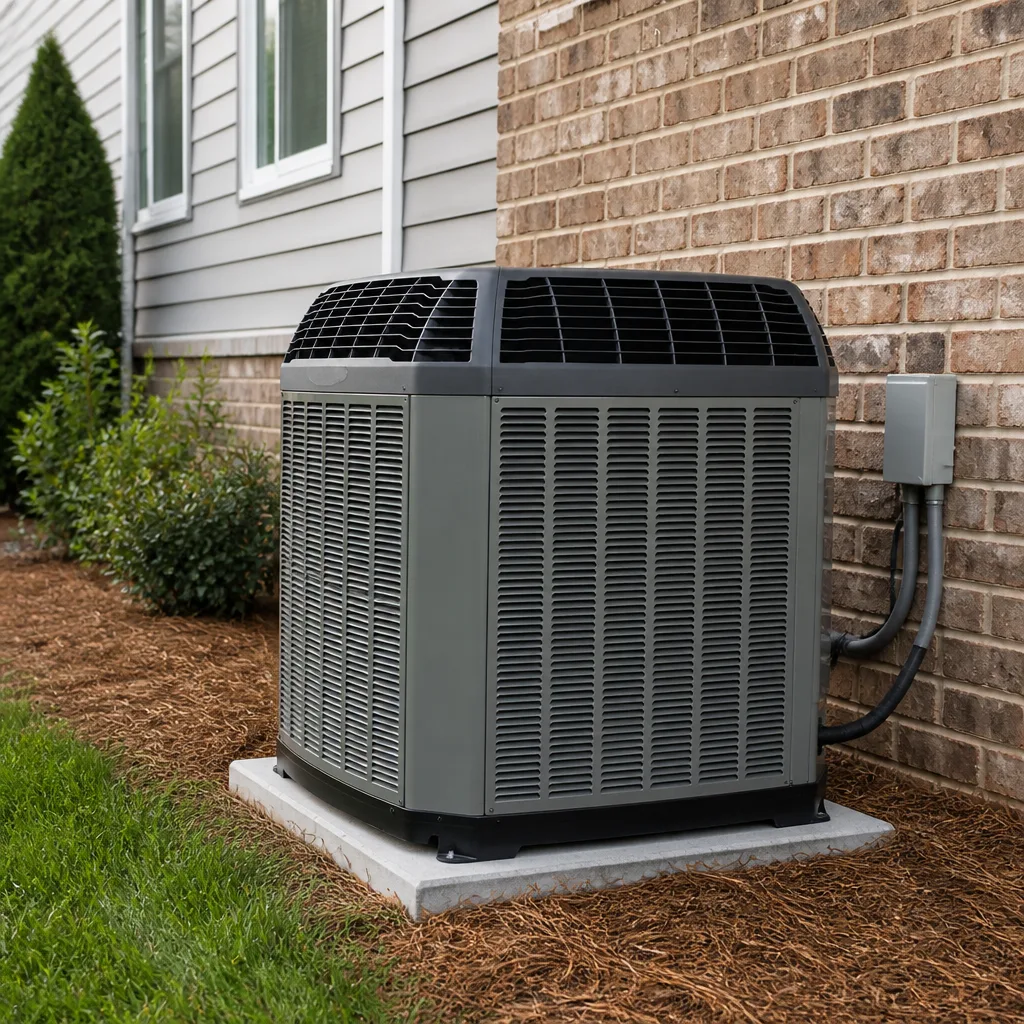 Trane
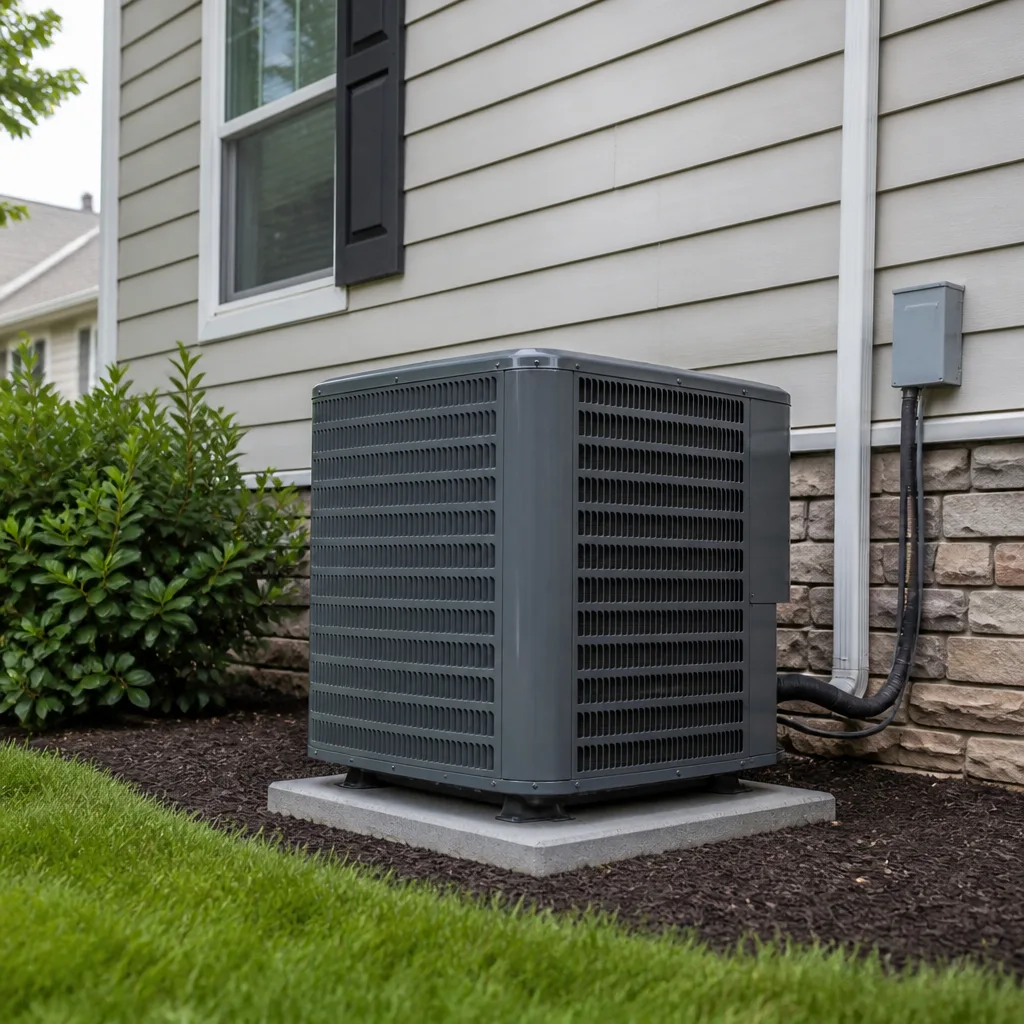 Goodman
Seasonal tune-up and full diagnostic on your Carrier, Trane, or Goodman system - readings shown to you before any repair is proposed
Diagnosis first, numbers second - you approve the repair price before a single part goes in.
Get your free estimateHVAC Emergency Preparedness Guide for West Jordan Homes
Most homeowners treat an HVAC failure like a car breakdown: something that happens to you, out of nowhere, on the worst possible day. In our experience around West Jordan, that framing is backwards. Heating and cooling emergencies here follow a recognizable calendar. The first real heat wave of summer strains every system in the valley at once. The first hard freeze of winter does the same. And the January inversion weeks, when furnaces run continuously for days, push older equipment past its limit. The homeowners who stay comfortable in those stretches aren’t lucky. They did ten minutes of prep months earlier and kept a file they could actually find at 11pm. This guide walks you through that preparation, one quiet afternoon at a time, so the next failure is an inconvenience instead of a scramble.
Quick Answer
The single most effective HVAC emergency preparation for a West Jordan home is a written emergency file containing your equipment model and serial numbers, service history, your contractor’s contact number, and the location of your electrical and gas shutoffs, kept where you can find it in the dark. Pair that with two cheap hardware purchases (fresh thermostat batteries and a carbon monoxide alarm for any room with a non-vented heater) and a clear plan for supplemental heat during a winter outage. The rest of this guide breaks down what to do in the first 30 minutes of a failure, which issues can safely wait, and how to triage a service call so you get the right response time.
Styles & brands we work with
- AC repair
- Furnace & heating
- Heat pumps
- Ductless mini splits
- Carrier
- Trane
- Goodman
Table of Contents
- How Do You Build an HVAC Emergency File?
- What to Do in the First 30 Minutes of an AC Failure
- Furnace Failure Protocol During a West Jordan Cold Snap
- Diagnostic Steps to Try Before You Call
- How to Triage a Service Call Correctly
- Emergency vs. Standard Scheduling: What Actually Costs More
- Understanding Your Equipment Before You Need It
- How the January Inversion Strains Furnaces in West Jordan
How Do You Build an HVAC Emergency File?
Build it now, on a calm afternoon, not during a failure. The file is a single folder (paper or digital) that anyone in your home can grab and read from. It should survive a dead phone battery and a power outage, so keep a paper copy as well as a scanned version in cloud storage.
Here’s what belongs in it:
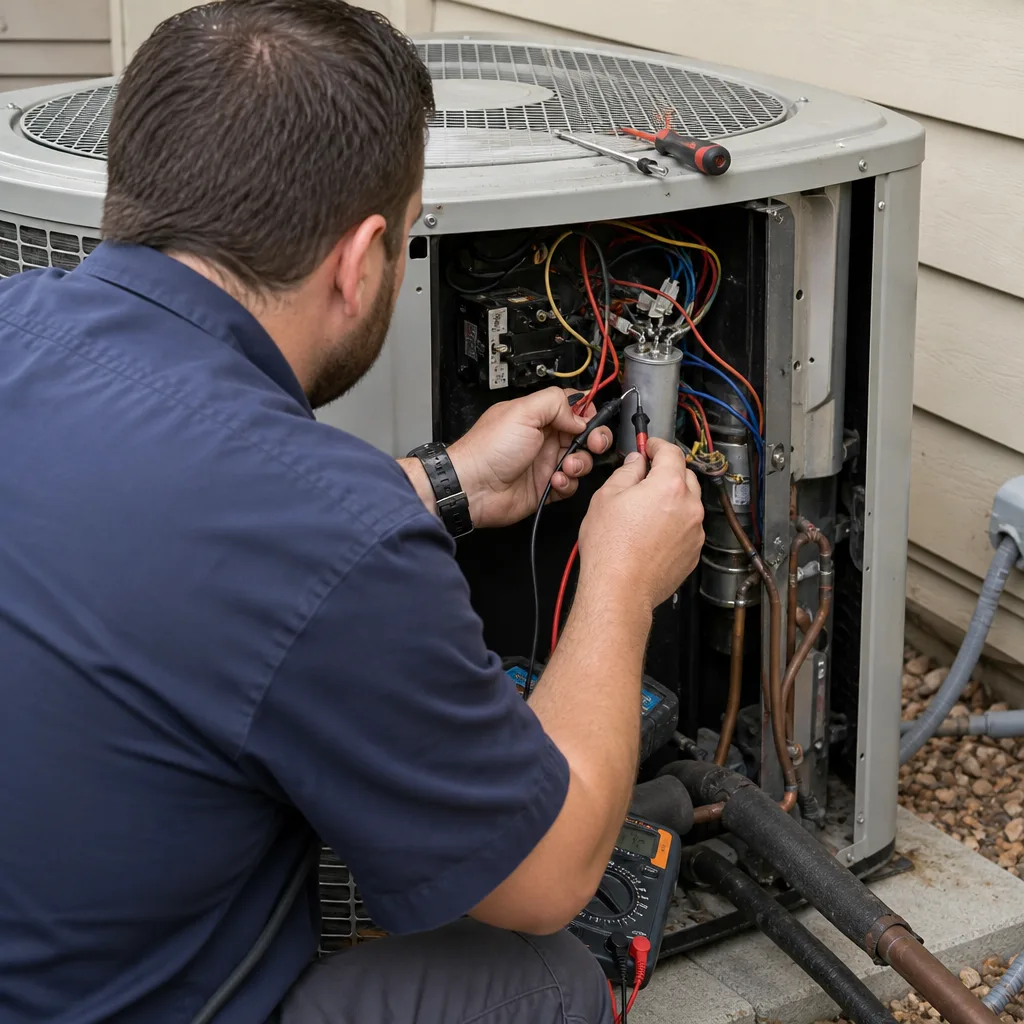
- Equipment paperwork. Model number, serial number, install date, and any warranty card for both the furnace and the AC condenser. Take photos of the nameplate with your phone. The AC Repair West Jordan team reads them constantly; a serial number tells us the manufacturing year and often the refrigerant type.
- Service history. Every tune-up, repair, or replacement, with the date and what was done. If you don’t have it, start one today with a blank notebook.
- Contractor contact. The number you’ll actually call, written down, not just in your phone.
- Shutoff locations. The furnace electrical switch (usually a toggle on or near the unit, sometimes at the top of the basement stairs), the outdoor AC disconnect box, and the main gas shutoff at the meter. Draw a simple sketch of where each one is.
- Filter size. The exact dimensions, so anyone can grab a replacement without guessing.
- Floor plan notes. Which rooms are coldest in winter and warmest in summer. That notes card becomes a diagnostic clue for your technician.
Ten minutes of work. The file pays off in every emergency that follows.
What to Do in the First 30 Minutes of an AC Failure
First, confirm it’s really a system failure and not a thermostat setting, a tripped breaker, or a clogged filter. Then decide how to keep the house livable while you wait for a scheduled visit. The way you spend the first 30 minutes shapes whether the second and third hours are manageable.
Follow these in order:
- Check the thermostat. Is it calling for cooling? Is the setpoint lower than the room temperature? Replace the batteries if it’s battery-powered.
- Check the breaker. Both the indoor air handler circuit and the outdoor condenser circuit. A tripped breaker that resets and stays on is often a sign of something else; a breaker that trips again immediately is a hard stop and warrants a call.
- Check the filter. A completely clogged filter can overheat the system and shut it down. Swap it if you have a spare.
- Feel the airflow. If the indoor fan is running but no air moves, the problem may be the blower; if air is cold at the register but the house won’t cool, the condenser may not be running.
- Close blinds and curtains on the west- and south-facing windows. That alone drops afternoon heat gain noticeably.
- Set up temporary cooling. Portable and window AC units in the hottest rooms, ceiling and box fans pointed out of a window at night to pull cooler air in, and if you need a break, plan a few hours at a cooling center or a library.
As a general temperature guide rather than a medical rule, plan to relocate vulnerable household members (infants, elderly, anyone with a health condition) if indoor temperatures climb well past the low 80s and won’t come down with the temporary measures above. Heat is a health risk, not a comfort preference.
Furnace Failure Protocol During a West Jordan Cold Snap
A furnace failure in January is a different problem from an AC failure in July. The building envelope can hold heat for a while, but if the failure overlaps a hard freeze, unprotected pipes are at risk and the family can get cold fast. The protocol is simple and worth memorizing before the season starts.
Step one is confirming the furnace is actually off. Check the thermostat, check the breaker, and check that the furnace switch hasn’t been bumped. If it’s still dead, move to supplemental heat.
Supplemental heat comes in two categories, and the difference matters:
- Vented or electric-safe heat: space heaters rated for indoor use, an electric blanket in the main living space, or running the oven briefly (never left unattended) to take the chill off a room. Keep space heaters on hard floors, at least three feet from furniture and curtains, and never plugged into a power strip.
- Non-vented gas heaters: propane or kerosene heaters that don’t vent outdoors. These produce carbon monoxide. If you use one, it belongs in a well-ventilated space with a working carbon monoxide alarm in the same room. Don’t use one in a bedroom, don’t leave it running while you sleep, and don’t use it in a room without ventilation. If the alarm sounds, get everyone outside and call the gas utility from a phone outside the house.
When to leave the home: if the indoor temperature is dropping toward the low 50s and won’t hold, or if anyone in the household has a health condition that cold air worsens, plan to stay elsewhere until service is restored. And if your furnace is gas-fired and you smell gas at any point, don’t troubleshoot. Shut the gas off at the meter, get everyone out, and call the gas utility from outside.
Diagnostic Steps to Try Before You Call
In our experience, a chunk of what feels like an emergency on the phone resolves with a five-minute check inside. These are the safe homeowner checks that catch the common ones. Every technician we send to a West Jordan home runs through the same list as step one.
Try these in order:
- Thermostat batteries and settings. Replace the batteries (most take AA or AAA) and confirm the mode is on HEAT or COOL, not AUTO with a setpoint that swings too wide. Check that the fan switch is on AUTO, not ON, if your system behaves oddly.
- Breakers. Look for a tripped breaker on both the indoor air handler and the outdoor condenser. Reset once. If it trips again immediately, stop and schedule a visit.
- Filters. A dirty filter chokes airflow and can cause the system to overheat or freeze. Replace it if it’s visibly loaded.
- Condensate float switch. On many AC systems there’s a small float switch in the drain pan or the drain line that trips when the pan fills. If the system shuts off during a humid stretch, check for a wet pan or a clogged drain line. Some float switches can be reset by pressing the switch or clearing the drain; if you’re not sure, schedule a visit.
- Outdoor unit. Gently clear leaves and debris from the top and sides of the condenser cabinet. Don’t open it. The fan blade and capacitor inside are not homeowner-service parts.
- Gas furnace igniter and flame sensor. These should be serviced by a technician. If the furnace lights and then shuts off repeatedly, that’s a symptom, not a safe DIY job.
If those steps don’t restore operation, you have a real service call, not a user error. Call (833) 946-8705. We answer 24/7. Fast dispatch from 7am to 7pm, Sunday through Friday.
How to Triage a Service Call Correctly
When you call, the first three sentences you speak decide how your call gets slotted. Getting the triage right means an accurate response window and a better visit from the furnace repair or AC side of the team.
Say these things, in this order:
- What’s happening: “The AC is running but not cooling,” or “The furnace won’t light,” or “There’s water on the floor near the air handler.” One plain description of the symptom.
- How long it’s been going on: Hours or days changes whether it’s urgent or standard.
- What you’ve already checked: “I reset the breaker and it held,” or “The filter is clean, the thermostat is new.” This saves the technician a step.
- Anyone vulnerable in the home: infants, elderly, anyone with a health condition, or pets that can’t be relocated easily. This is a genuine factor in response priority, not a tactic.
- The equipment info: brand and model number if you have the emergency file open. It’s a bit of extra precision on scheduling, especially when the brand matters.
Emergency vs. urgent vs. standard. Emergency calls are conditions that create safety risk or imminent property damage (no heat during a hard freeze, gas smells, water leaking into finished space, sewage or refrigerant smell). Urgent calls are uncomfortable but not dangerous (cooling lost on a hot day, furnace cycling but still producing heat). Standard calls are tune-ups, seasonal maintenance, or a nagging issue that isn’t affecting daily comfort. Say which one applies when you call, because the honest answer is always the fastest path to the right response.
Emergency vs. Standard Scheduling: What Actually Costs More
Pricing on HVAC work isn’t driven by the word “emergency” the way it is with locksmiths or tow trucks. It’s driven by the actual scope of the repair, the parts needed, and the time of year. The written estimate sets the final price, and we give it before work begins. A compact comparison of what a call looks like in each situation:
- Standard scheduling: Booked into the next available slot. Estimate is free. Final price is per the written estimate.
- Urgent scheduling: Prioritized when capacity allows. Same written-estimate approach. No premium added because of the timing; the price reflects the actual repair.
- Emergency scheduling: Reserved for safety or property-damage situations. The phone line is answered 24/7, and dispatch runs 7am to 7pm, Sunday through Friday. A call outside dispatch hours is booked into the next opening, Sunday through Friday, 7am to 7pm. Same written-estimate approach as any other call.
What that means in practice: the biggest factor in your bill is usually the repair itself, not the time you called. Call (833) 946-8705. Estimates are free, and there’s no extra charge for the timing of the call.
Understanding Your Equipment Before You Need It
The most useful prep you can do is learn the exact equipment you own. Two furnaces with the same sticker age can be built very differently, and the technician who knows the brand-family quirks rather than guessing will diagnose faster. Our technicians are equipped to work on nine major brands. The four you’re most likely to see in West Jordan homes are Carrier, Trane, Lennox, and American Standard, but we work on Goodman, Rheem, York, Daikin, and Bryant just as often.
What to record about your own system:
- Furnace brand, model, and efficiency rating (usually an AFUE number on the data plate).
- AC condenser brand, model, and the refrigerant type (older systems may use R-22, newer ones R-410A or R-32).
- Air handler brand if it’s different from the outdoor unit.
- Thermostat brand and whether it’s programmable, smart, or basic.
- Approximate install date for each component.
This matters because AC installation decisions, repair vs. replace calls, and part availability all hinge on knowing the brand. A no-name system can be repaired, but the parts hunt is longer. A brand the technician knows means a faster visit and a clearer recommendation. When your equipment dies on a July afternoon, the last thing you want is a technician squinting at the nameplate trying to figure out what they’re looking at.
How the January Inversion Strains Furnaces in West Jordan
The inversion weeks in January are the most demanding stretch of the year for residential heating along the Wasatch Front, and West Jordan sits right in the middle of it. A high-pressure ridge traps cold air in the valley, daytime temperatures stay low, and humid air settles in. Furnaces that would normally cycle on and off run nearly continuously for days at a time. That continuous run exposes every weakness a system has.
What that means for your prep:
- Filter discipline matters most in January. Continuous runtime loads a filter faster than mild-weather cycling does. Check it every month during the heating season rather than every three.
- Combustion air matters. If your furnace shares a utility space with a water heater or dryer, ensure nothing is blocking the combustion air intake. A tight, sealed room can starve a combustion appliance and create unsafe conditions.
- Carbon monoxide alarms belong in every home with a gas appliance. Inversions trap CO near ground level, so a furnace that would normally vent cleanly may show symptoms you’d ignore on a windy day. If the alarm sounds, exit and call the gas utility.
- Listen for short cycling. If the furnace starts, runs a minute, and shuts off, that’s a limit-switch event, not normal operation. Schedule rather than wait it out.
A pre-season tune-up in the fall is the quiet prep that makes inversion weeks survivable. If you haven’t had one in a while, that’s the first thing to book. Heating and cooling covered, start to finish.
Common Mistakes to Avoid
- Keeping the emergency file only on your phone. A dead battery, a lost phone, or a power outage turns a five-minute call into a twenty-minute one. Print it and tape the shutoff sketch inside a utility closet.
- Repeatedly resetting a tripped breaker. One reset is diagnostic. Two or three is not. A breaker that trips again immediately is telling you something is wrong inside the system, and forcing it on risks damage or fire. Stop and call.
- Running a non-vented gas heater in a closed bedroom. The heat feels good on a cold night and the carbon monoxide doesn’t announce itself. Non-vented heaters need ventilation and a working CO alarm in the same room, always.
- Using the oven as a whole-house heater. It’s fine for taking the chill off a room briefly, but leaving a gas oven open for hours pushes moisture and CO into your air. Use space heaters or leave for the day instead.
- Assuming a dead thermostat means a dead system. Batteries, mode settings, and a tripped float switch account for a surprising share of “emergencies” that aren’t. Check the small stuff first.
- Waiting out an inversion-week short cycle. In West Jordan, a furnace that would normally recover will keep failing under the continuous load. Book rather than wait.
- Ignoring the filter between tune-ups. The filter is the cheapest part of the system and the highest-leverage. A loaded filter in July or January stresses everything else.
See the difference
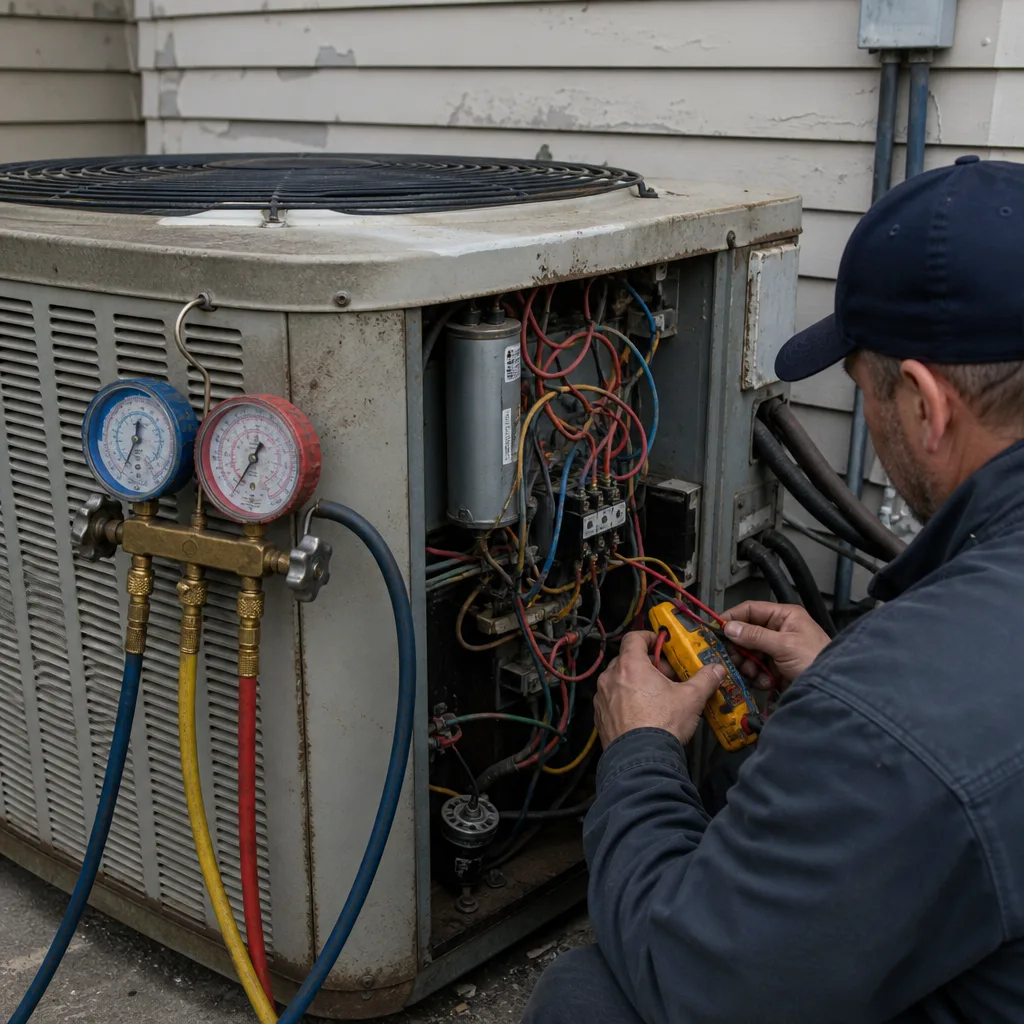 Before
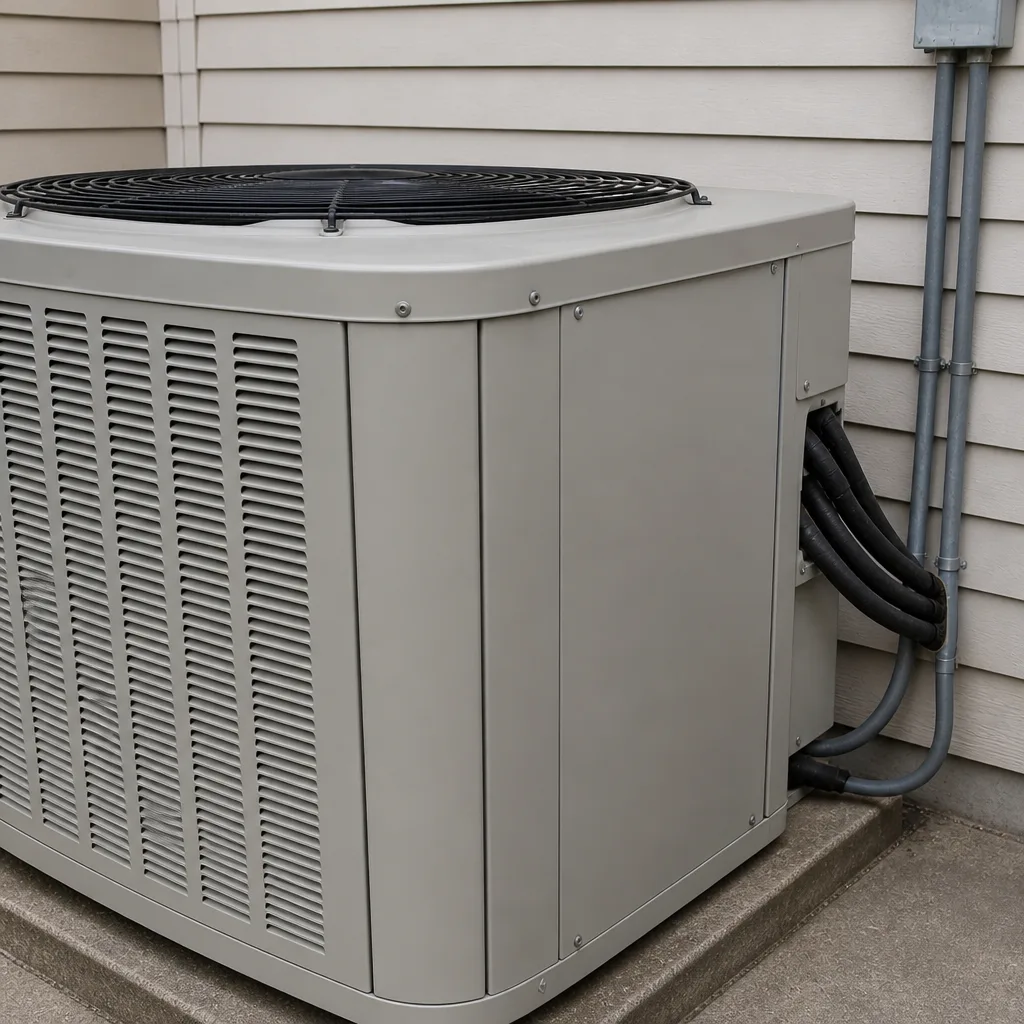 After
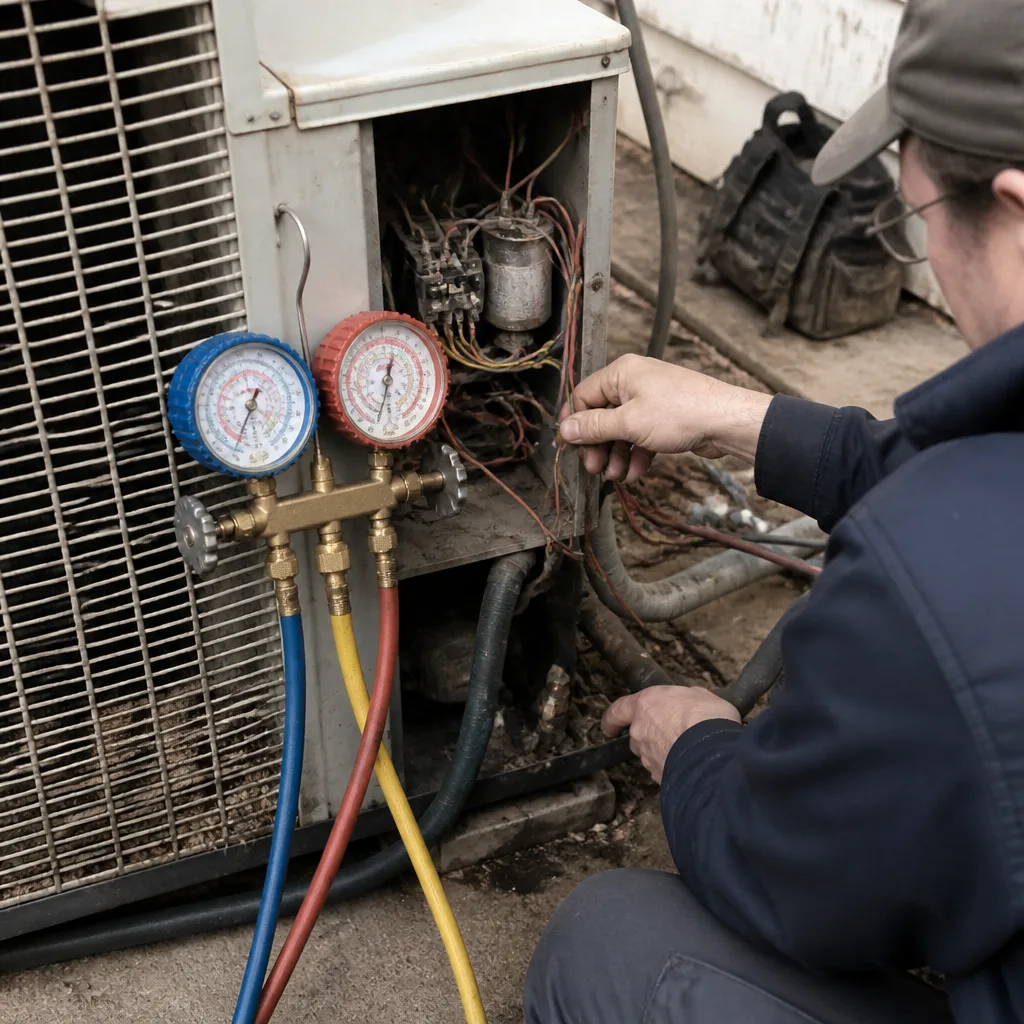 Before
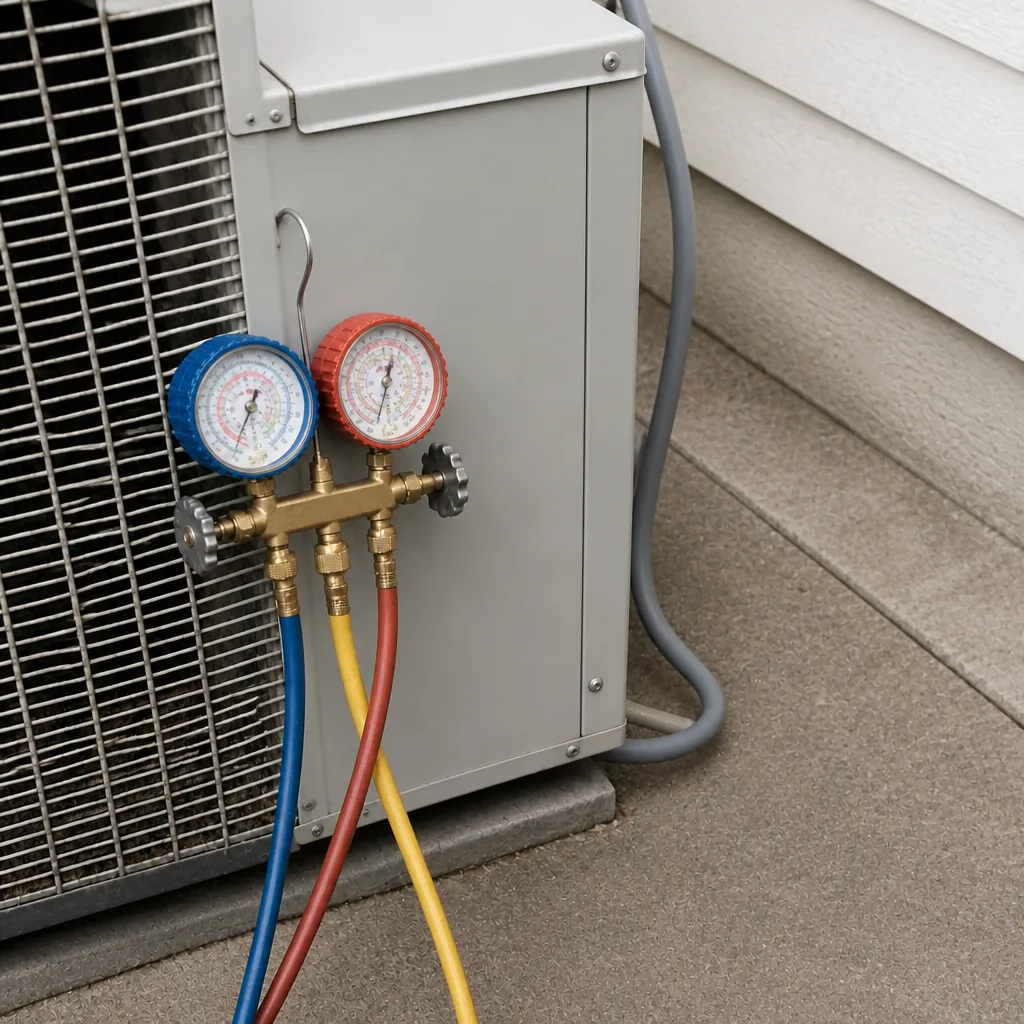 After
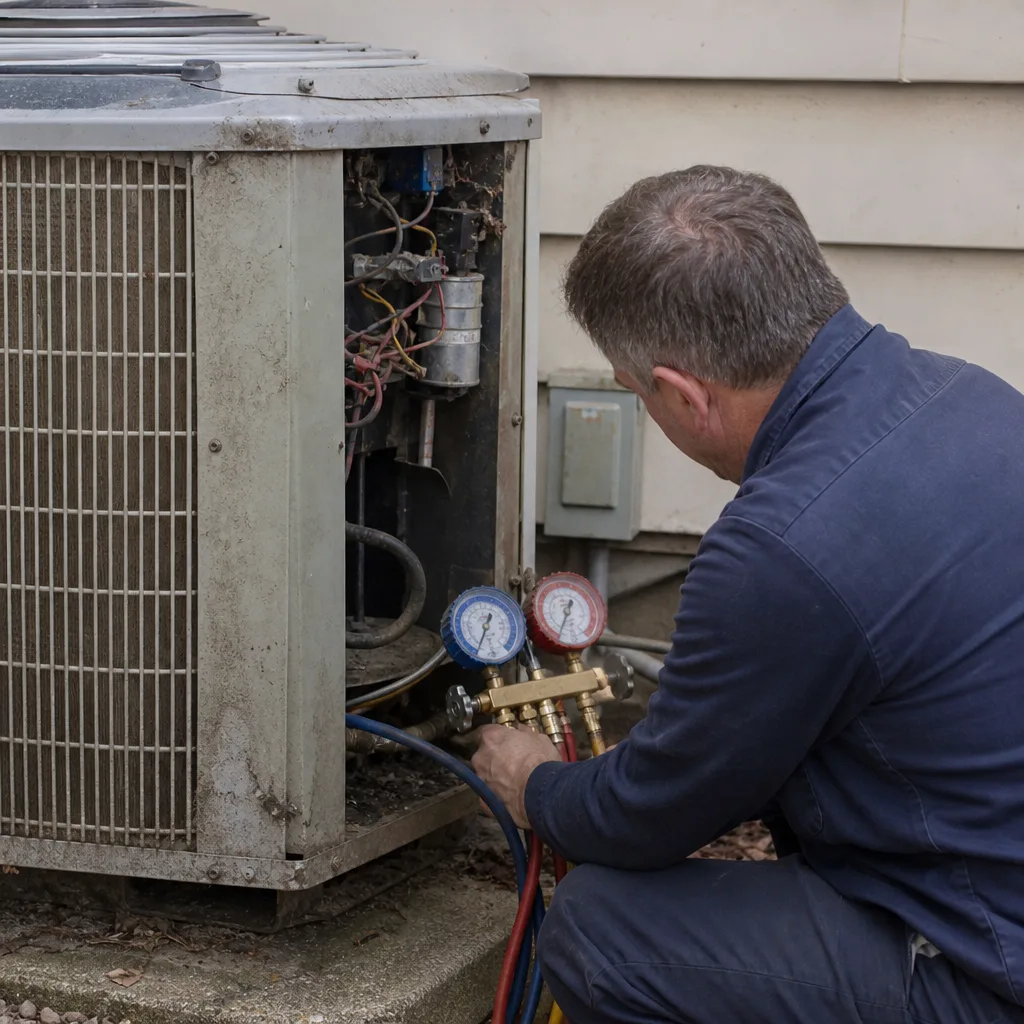 Before
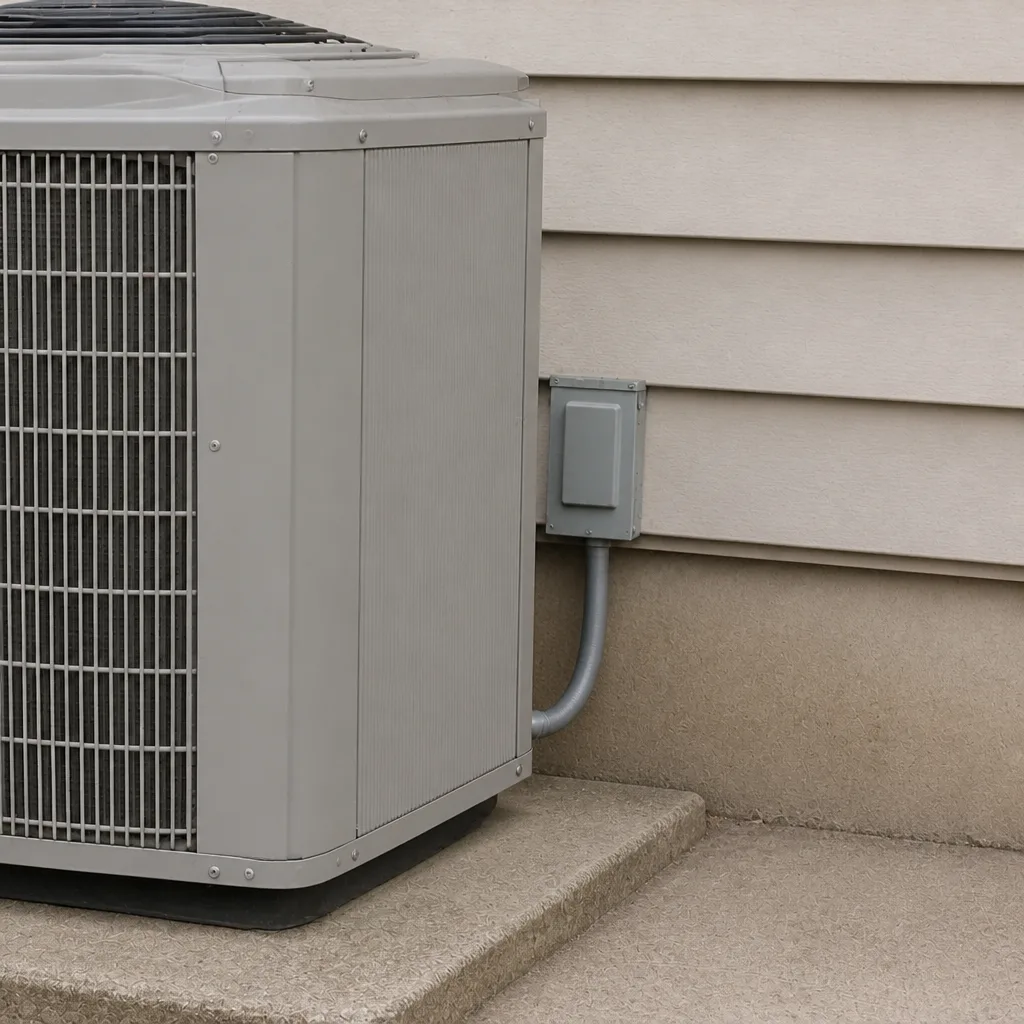 After
When to Call a Professional
Call when you smell gas, when a carbon monoxide alarm sounds, when you see water leaking into finished space from the air handler, when a breaker trips twice in a row, or when the system won’t produce heat or cool after a basic check. Call when anyone in the home is vulnerable and the temperature is drifting toward a health risk. Call when a furnace cycles on and off through an inversion week. And call when the symptom is intermittent, because intermittent problems rarely fix themselves and often catch you on the worst night.
AC Repair West Jordan offers free estimates in West Jordan. Call (833) 946-8705 for a free estimate. We answer 24/7. Fast dispatch from 7am to 7pm, Sunday through Friday. Repair or replace: we’ll give you the honest answer for your specific system.
Frequently Asked Questions
In West Jordan, an HVAC emergency is a condition that creates safety risk or imminent property damage: a gas smell, a carbon monoxide alarm, no heat during a hard freeze with vulnerable household members present, water leaking into finished space from the air handler, or a system that won’t shut off. Uncomfortable but safe situations, like a heat pump that won’t cool on a warm day, are urgent rather than emergency, and they’re scheduled differently. Call (833) 946-8705 and describe what’s happening plainly. We answer 24/7. Fast dispatch from 7am to 7pm, Sunday through Friday.
Same-day service is available depending on the day’s call volume, and we’ll tell you the honest earliest slot when you call. The phone line is answered 24/7, and dispatch runs 7am to 7pm, Sunday through Friday. During the first major heat wave of summer, demand across the valley spikes; the homeowner who has already built an emergency file and knows their model number still gets scheduled faster because the call is shorter. Call (833) 946-8705 for a free estimate.
Check the thermostat batteries, confirm the thermostat mode is HEAT, check the breaker both at the panel and at the furnace switch, replace the filter if it’s loaded, and confirm the gas is on at the meter. If those don’t fix it, call. If you smell gas at any point, don’t troubleshoot: shut the gas off at the meter, get everyone outside, and call the gas utility. You can also call us at (833) 946-8705 for guidance on scheduling a visit.
Pricing is set per job by the written estimate, and the estimate is free. There’s no separate emergency rate added because of the timing of the call; the price reflects the actual repair and the parts needed. Every estimate is written down before work begins, and the written estimate sets the final price. Call (833) 946-8705 for an exact quote. Estimates are free.
Our technicians are equipped to work on nine major HVAC brands: Carrier, Trane, Lennox, Goodman, Rheem, York, Daikin, Bryant, and American Standard. That means you don’t need to track down a brand-specific technician for a Carrier or Trane system; the same team handles it. One specialist team for your furnace and your AC, start to finish. Call (833) 946-8705 to talk through your system.
Repair makes sense when the failed part is minor and the system is otherwise healthy; replacement makes sense when the system is over-stressed, parts are hard to source, or repair cost climbs toward a meaningful fraction of a replacement. We offer both options honestly, with no dealer incentive pulling one way or the other, because we work across brand families rather than prioritizing any single manufacturer. The right answer depends on your system and your home. Call (833) 946-8705 for a free estimate and a straight answer.
The Bottom Line
The piece of HVAC emergency preparation that costs nothing and saves the most is the emergency file. Model and serial numbers, service history, contractor contact, thermostat and shutoff locations, filter size, all written down and grab-able at 11pm. Add fresh thermostat batteries, a working CO alarm in any room with a non-vented heater, and a monthly filter check during heat wave and inversion weeks. Then you know which symptoms to check yourself, which to schedule, and which to leave the house for. That’s an HVAC readiness protocol, not a service call. And when it’s the real thing, we’re here. Heating and cooling covered, start to finish.
Call (833) 946-8705 for a free estimate. We answer 24/7. Fast dispatch from 7am to 7pm, Sunday through Friday. AC Repair West Jordan, your HVAC specialists for West Jordan homes.
Written by the team at AC Repair West Jordan.