
Last updated November 15, 2026
 AC repair
 Furnace & heating
 Heat pumps
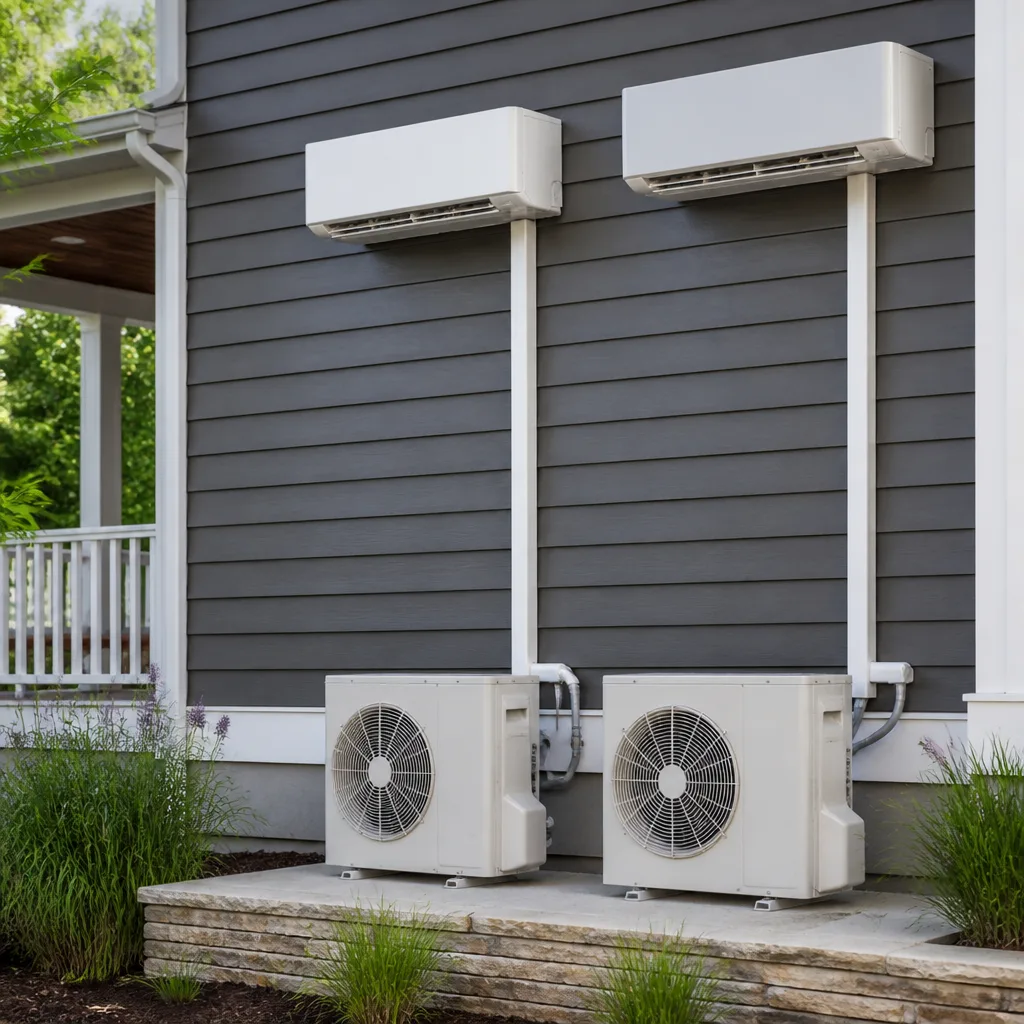 Ductless mini splits
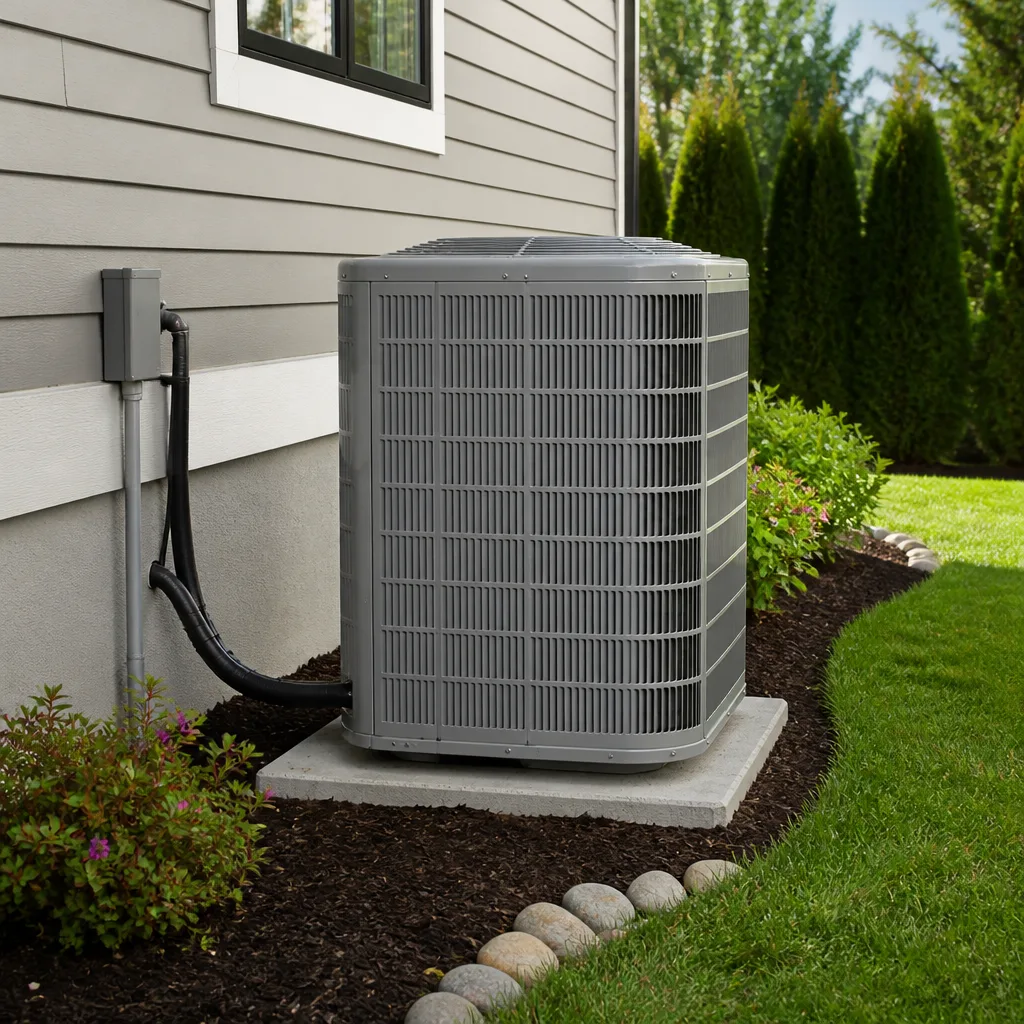 Carrier
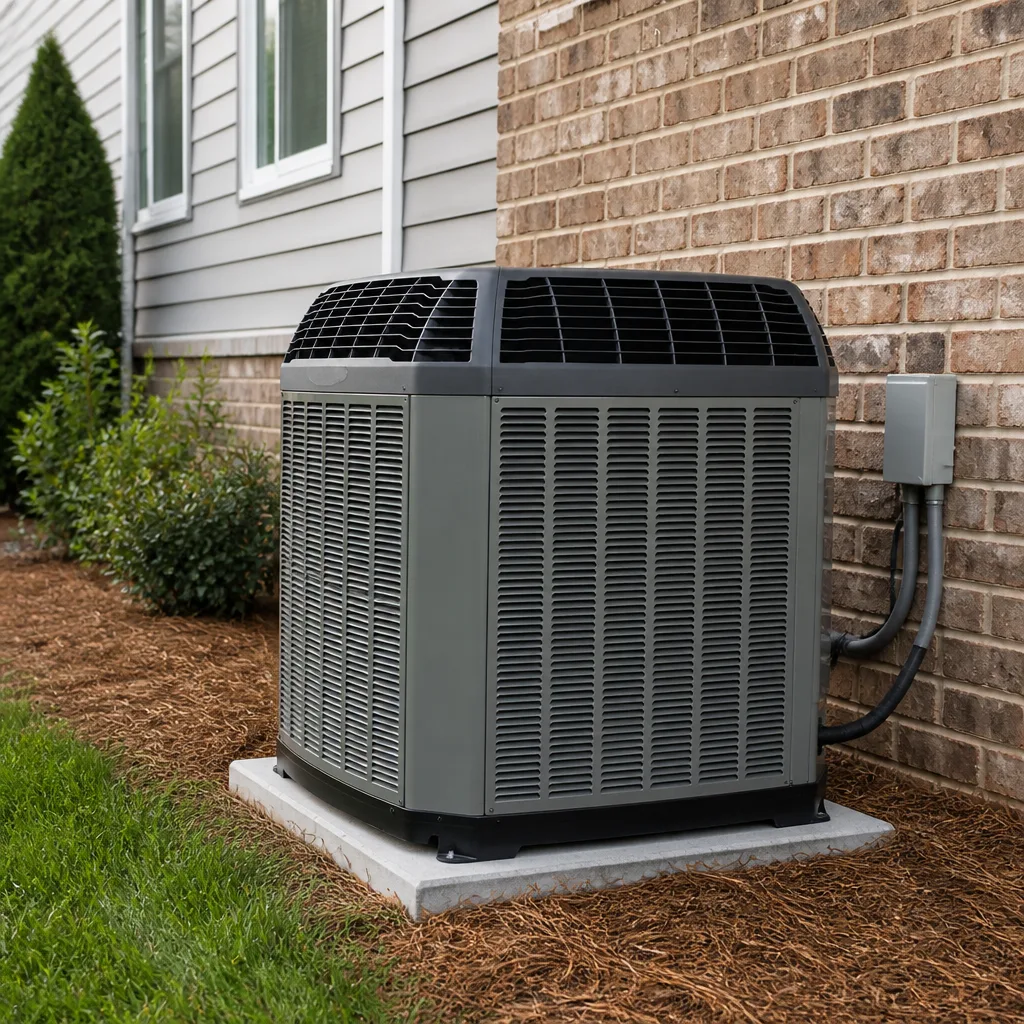 Trane
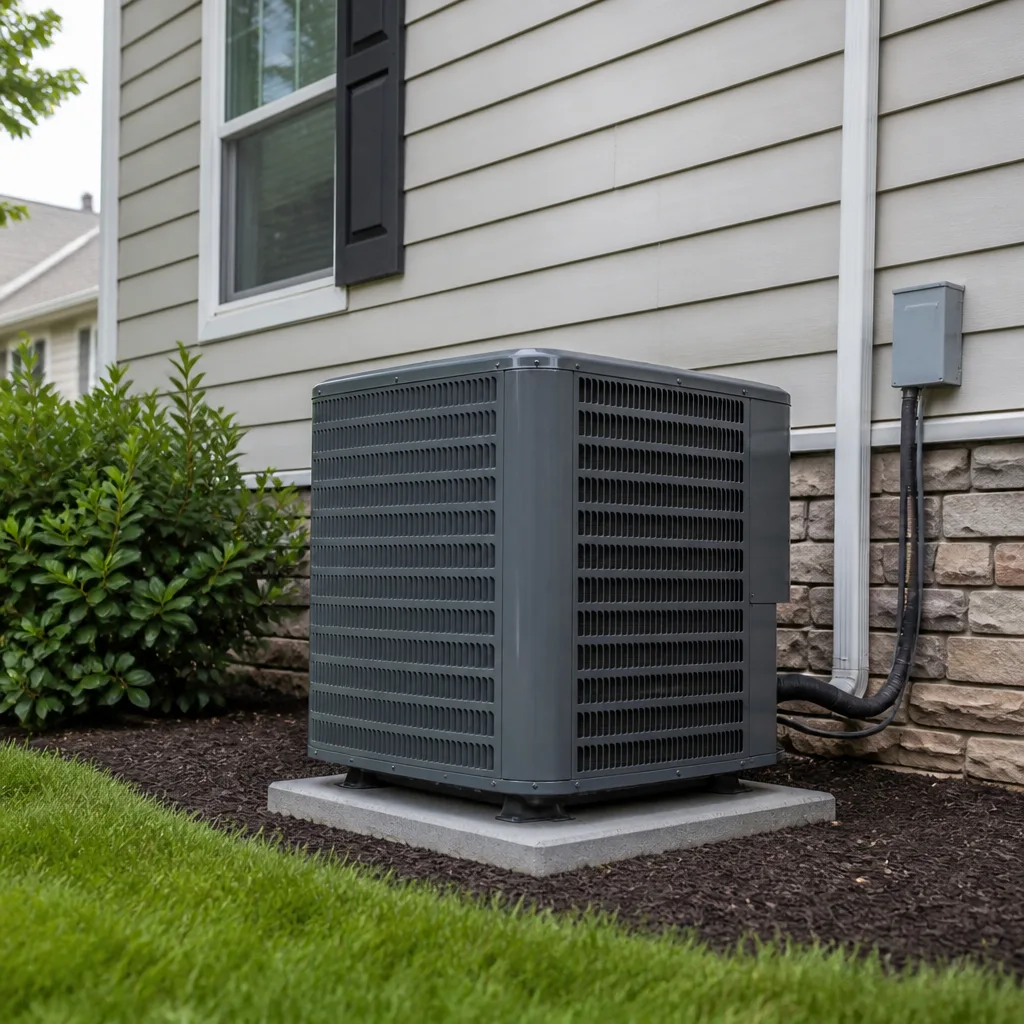 Goodman
Seasonal tune-up and full diagnostic on your Carrier, Trane, or Goodman system - readings shown to you before any repair is proposed
Diagnosis first, numbers second - you approve the repair price before a single part goes in.
Get your free estimateDIY vs Professional HVAC: The West Jordan Homeowner’s Decision Guide
Replacing your own furnace filter is legal, cheap, and smart. Recharging your own AC refrigerant is a federal violation under the Clean Air Act, and the EPA can fine a homeowner for it. Most DIY HVAC videos on YouTube never bother to tell you which side of that line a task falls on. That’s the gap this guide fills. We’ll sort common HVAC jobs into three buckets: legal and appropriate for you to handle, legal but risky without training, and legally restricted to licensed professionals in Utah. Along the way you’ll get a specific toolkit for West Jordan homeowners, real talk about what DIY mistakes cost to undo, and a framework for deciding repair versus replacement without getting upsold. If you’re weighing whether to pick up a wrench or AC repair West Jordan, this is the page to read first.
Quick Answer
Most homeowner-appropriate HVAC tasks are simple and legal: changing filters, programming a thermostat, clearing a condensate drain, and cleaning accessible coils. Anything involving refrigerant, gas lines, electrical panels, or the sealed refrigeration circuit requires a licensed and EPA-certified professional in Utah. If a task touches refrigerant, combustion, or high-voltage wiring, it isn’t a DIY job no matter how good the tutorial looks.
Styles & brands we work with
- AC repair
- Furnace & heating
- Heat pumps
- Ductless mini splits
- Carrier
- Trane
- Goodman
Table of Contents
- The Three-Bucket Framework: What’s Legal, What’s Risky, What’s Off-Limits
- EPA Section 608 and Refrigerant: Why “It’s Just Freon” Is a Costly Misconception
- What DIY Mistakes Actually Cost to Fix
- The Right DIY Toolkit for West Jordan Homes
- West Jordan Climate and Housing: Why Local Context Changes the Math
- How to Read a Repair Quote (and Spot Tasks You Could Legally Do Yourself)
- Repair or Replace? A Framework for West Jordan Homeowners
- Brand Matters Less Than You Think (and More Than You’d Guess)
The Three-Bucket Framework: What’s Legal, What’s Risky, What’s Off-Limits
The DIY vs. professional debate usually gets framed as a money question. It isn’t. It’s a liability and legality question first. Utah has specific rules about what a homeowner can legally do to their own HVAC system, and the answer isn’t “everything” or “nothing.” It’s a spectrum. Here’s how we sort it, and this is the framework we use when a West Jordan homeowner calls and asks whether they should tackle something themselves.
Bucket 1: Legal and appropriate for homeowner DIY
- Replacing furnace and AC filters. Completely legal, completely safe, and genuinely important.
- Programming or replacing a thermostat (low-voltage only; more on the wiring risk below).
- Clearing a clogged condensate drain line. Standard homeowner maintenance on most systems.
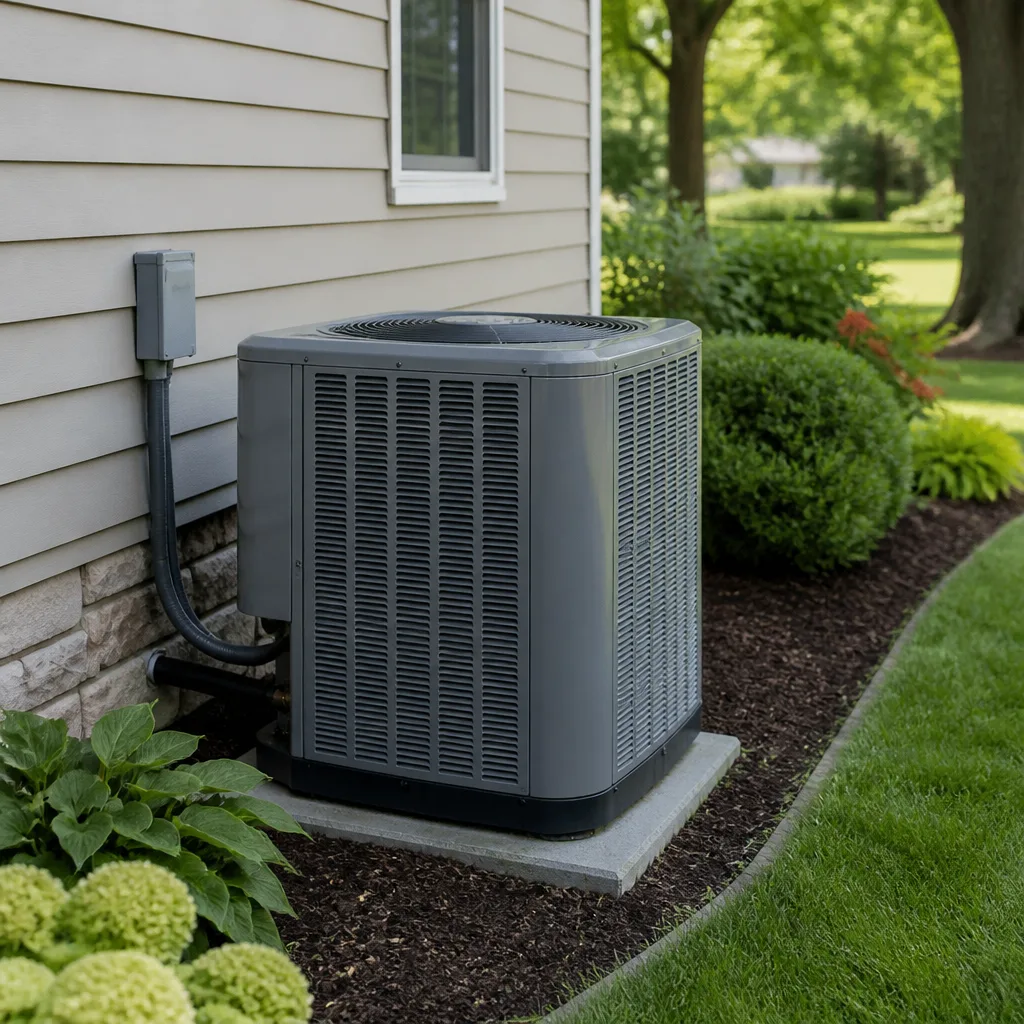
- Cleaning accessible outdoor condenser coils with a garden hose and coil cleaner.
- Cleaning or replacing the outdoor unit’s fan guard and clearing debris from around the cabinet.
- Vacuuming supply and return registers and checking for blocked airflow.
- Keeping snow and vegetation clear of the outdoor unit during heating season.
Bucket 2: Legal but genuinely risky without training
- Replacing a thermostat that involves a C-wire or line-voltage connections. Low-voltage miswiring can fry a control board in seconds. The board itself costs more than a service call.
- Cleaning the indoor evaporator coil if it’s behind a sealed panel or requires removing ductwork. Doable on some systems, easy to damage on most.
- Replacing a blower motor capacitor or contactor. Legal, but capacitors hold a charge and can deliver a nasty shock even after the power is off.
- Installing a condensate pump on systems that need one.
Bucket 3: Legally restricted to licensed and certified professionals in Utah
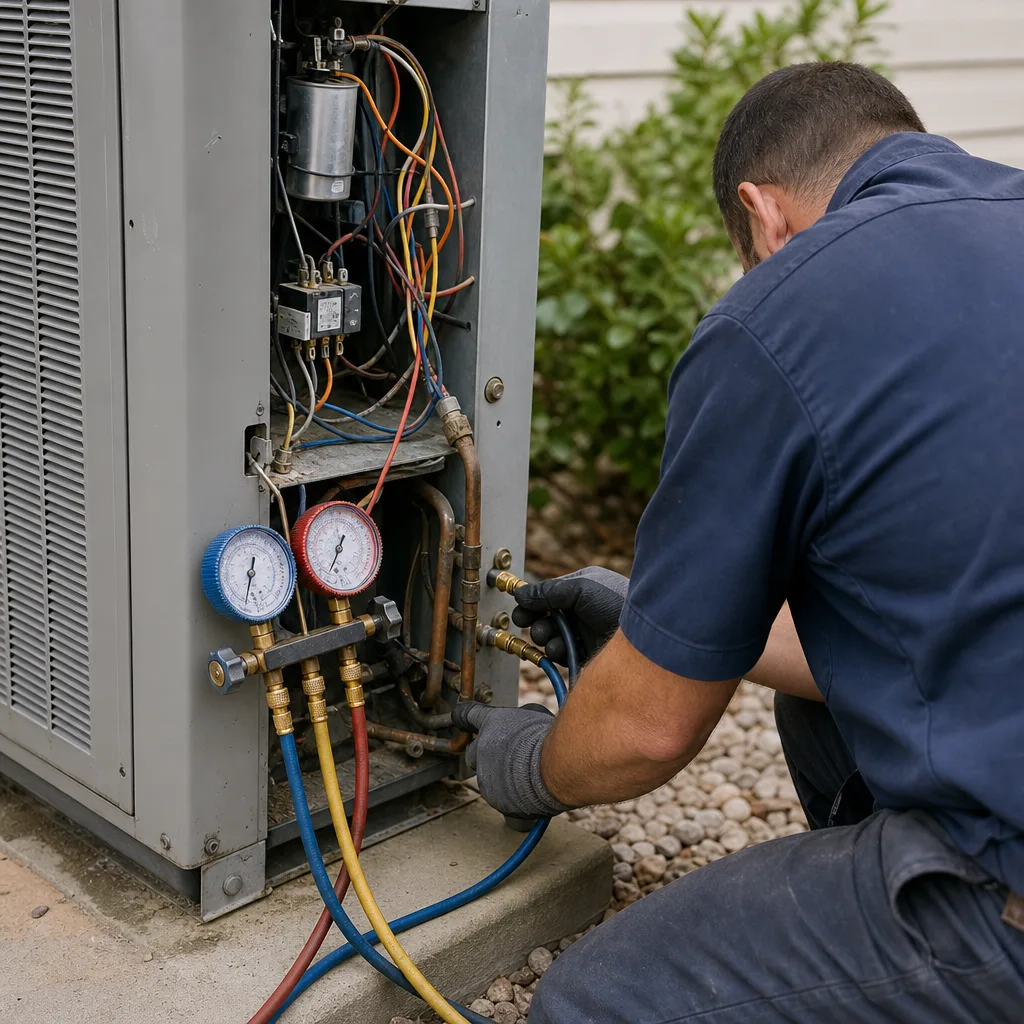
- Anything involving refrigerant – charging, recovering, or repairing the sealed refrigeration circuit.
- Anything involving natural gas lines or the gas valve on a furnace.
- Anything inside the sealed combustion chamber of a furnace.
- Electrical work above low-voltage – disconnects, breakers dedicated to the HVAC equipment, and the high-voltage side of the air handler.
- Full system installation or replacement, which requires permits and inspection in most Utah jurisdictions.
If you’re reading this in West Jordan and you’re not sure where a task falls, the safest answer is to call and ask. Our technicians have up to 13 years of experience, and part of that experience is telling homeowners when they don’t need us.
EPA Section 608 and Refrigerant: Why “It’s Just Freon” Is a Costly Misconception
Refrigerant is not a consumable the way motor oil is. It’s a regulated substance under the Clean Air Act, and the EPA’s Section 608 program governs who can legally handle it, recover it, and recharge it. A homeowner cannot legally purchase refrigerant, open the sealed circuit, or vent refrigerant to atmosphere. Those aren’t gray-area rules. They carry real federal penalties, including fines that have run into the tens of thousands of dollars per violation.
Here’s where the misconception comes from. Older DIY content treats refrigerant like an oil change: unscrew a cap, connect a can, top it off. That framing is decades out of date. Modern systems use refrigerants with specific pressure-temperature relationships, and a system that’s low is low for a reason, most often a leak. Topping off a leaking system doesn’t fix the leak, and every ounce of refrigerant that vents during a sloppy DIY top-off is a violation. The enforcement landscape has tightened considerably in recent years as the industry transitions to newer refrigerants with lower global warming potential. That transition has made the certification and licensing side of the trade more technical, not less.
The practical version for a West Jordan homeowner is simple: if a system is low on refrigerant, the professional job isn’t just to add refrigerant. It’s to find and repair the leak, recover what’s in the circuit, evacuate the system properly, and recharge to the manufacturer’s specified weight. That’s not a job that can be done with a can from a big-box store, and no reputable technician will top off a system without addressing the leak. When we diagnose a low-charge system for a West Jordan homeowner, that’s the conversation we have: what the actual leak looks like, what it takes to fix it properly, and what your options are. No upsell, no shortcuts.
What DIY Mistakes Actually Cost to Fix
The DIY math usually breaks down in one specific way: the task you attempted is cheap if you get it right and expensive if you get it wrong. Here are the three mistakes we see most often when a homeowner calls us after a DIY attempt, and what it takes to undo each one.
Mistake 1: Miswired thermostat
A thermostat is a switch. It sits between low-voltage control wires and the HVAC equipment, and the color coding isn’t standard across every install. Swap two wires by mistake and you can send 24 volts where 24 volts shouldn’t go. Most often this takes out a control board or a transformer, both of which cost more in parts than the thermostat you were replacing. On a AC installation or replacement, we always verify thermostat wiring as part of start-up for exactly this reason. If you’re replacing a thermostat and the wiring colors don’t match the diagram on the new unit exactly, stop and call. There’s no penalty for asking.
Mistake 2: Wrong filter or blocked filter airflow
An undersized filter, a filter installed backwards, or a filter left in place months past due all push the same problem onto your blower: restricted airflow. The blower motor works harder, runs hotter, and over time can overheat and shut down or fail outright. A failed blower motor is a real replacement cost, not a cheap fix. Worse, in some systems the filter slot is designed for a specific thickness, and installing a thicker “better” filter can cause enough static pressure to damage the system even though it started as an attempt to do the right thing.
Mistake 3: Drain line errors
Condensate drains are one of the easiest DIY tasks and one of the easiest to botch. A drain that’s cleared but not reconnected fully, or a slope that’s introduced in the wrong direction, causes water to pool somewhere it wasn’t designed to pool. The result can be water damage to the air handler cabinet, the surrounding floor, or in attics and closets, the structure below. Repairing water damage usually costs more than having had the drain cleared by a technician to begin with.
Every one of these mistakes falls into Bucket 1 or Bucket 2 above. None of them requires specialized tools to fix once the damage is done. All of them are avoidable with a phone call before you start. If you’re ever mid-project and unsure whether you’re about to make one of these, call (833) 946-8705 and we’ll talk you through it. The estimate is free.
The Right DIY Toolkit for West Jordan Homes
Here’s the honest version: the tasks worth learning as a West Jordan homeowner are the ones you’ll repeat every season, they’re safe, and they genuinely save money. Everything else, in our experience, usually gets handled better once a year by a technician. Below is our recommended DIY toolkit, with specific guidance on each task.
1. Filter replacement (every 1 – 3 months, more in dusty seasons)
Know your filter size (it’s stamped on the frame) and keep a spare on hand. Pick a filter with a MERV rating that matches what your system was designed for; a higher MERV isn’t automatically better, and on most residential systems a MERV 8 to MERV 11 filter is the sweet spot. In West Jordan, dust and pollen from nearby open land push filter changeouts toward the more frequent end of that range during spring and fall.
2. Thermostat programming
Use programmable setback (or your smart thermostat’s schedule feature) to reduce runtime when the house is empty. Set it and forget it. If you’re changing a thermostat for the first time, photograph the wiring before you disconnect anything. That single habit prevents most thermostat-related damage.
3. Condensate drain clearing
Locate the drain line leaving the indoor coil (usually PVC on newer systems, sometimes a flexible tube on older installs). Look for a cap or cleanout, and clear the line with a shop vac or a drain brush. Check for standing water in the drain pan; if it’s there, the line is still clogged or the slope has changed. Do this once at the start of cooling season.
4. Outdoor coil cleaning on accessible units
Power off the outdoor unit at the disconnect. Rinse the coil fins with a garden hose, working top to bottom, or use a coil cleaner labeled for the application. Don’t use a pressure washer; you’ll bend the fins. Clear leaves, pet hair, and cottonwood fluff from the cabinet. Then check the clearance around the unit: it needs airflow on all sides, and West Jordan landscaping often crowds it.
What’s not on the DIY list
We know it’s tempting to save a service call by tackling refrigerant work, gas-line work, or high-voltage electrical. Those stay off the homeowner list, and no tutorial changes that. But when a homeowner calls us to talk about an AC problem in West Jordan, we’ll always tell you which part of the repair is something you can do yourself and which part needs a technician. That’s why we offer both furnace repair and cooling work under one roof: you get one honest assessment, not a different pitch from three different contractors.
West Jordan Climate and Housing: Why Local Context Changes the Math
West Jordan sits in the Salt Lake Valley, at the base of the Oquirrh Mountains, and the local climate shapes HVAC decisions in ways that a national DIY guide won’t tell you. Summer daytime temperatures push past 95°F on the hottest stretches, and the system runs hard through July and August. Winter brings cold snaps with overnight lows in the teens and single digits, which is when a failed furnace becomes urgent rather than inconvenient. Homes built in the newer West Jordan subdivisions tend to be well-sealed with modern insulation, which means the sizing on the equipment matters more than the brand. Older homes closer to the Historic Downtown area or along the western foothills often have equipment that’s been replaced piecemeal over the years, and the mismatches are where we find the most expensive problems.
The other thing that catches West Jordan homeowners off guard is the shoulder season. Spring and fall swing between heating and cooling within the same day, often within the same afternoon. A system that runs on a fixed schedule, with no programmable setback and no seasonal adjustment, wastes energy on both ends. If you’re installing a new thermostat, learning that feature is worth more in savings over the first winter than anything else you’ll do this year.
Custom in the local market also matters. A full system replacement in West Jordan is a load-calculated job, not a swap of one box for another. Proper sizing depends on square footage, window count and orientation, insulation, and duct design. If a contractor quotes a replacement without measuring the house, that’s a red flag regardless of price. On repair, we see a lot of clogged condensate drains in the cooling season and a lot of dirty flame sensors in the heating season. Both are cheap fixes that a West Jordan homeowner can learn to flag before they turn into no-cool or no-heat situations.
If you’re new to the area and want a primer on how the West Jordan climate affects heating and cooling decisions, West Jordan is the place to start. It’s also where we point homeowners who ask which parts of town tend to have older equipment.
How to Read a Repair Quote (and Spot Tasks You Could Legally Do Yourself)
A repair quote tells you two things if you read it carefully: what’s broken and what the technician proposes to do about it. The trick is separating the parts of the job you could legally do yourself from the parts you can’t, because that separation is also where the money is.
Break the quote into its parts
- Diagnostic labor. The technician’s time to find the problem. This is not a DIY task, and it’s what you’re paying for when the problem is hard to isolate.
- Parts. Some are DIY-appropriate (capacitors, filters, drain line components). Some are not (refrigerant, gas valves, control boards inside the cabinet on sealed systems).
- Labor to install. A capacitor swap is 10 minutes with the right tool; a thermostat wire repair is 20 minutes; a refrigerant recharge is not something a homeowner should be attempting at all.
Ask the question plainly
The right way to ask: “Of the work on this quote, which parts are things a homeowner could legally and safely handle themselves?” A good technician will tell you without hesitation. A great technician will go further and say which parts would be a bad idea even though they’re legal. A contractor who gets defensive about the question is telling you something useful about the relationship.
There’s a way to have the conversation without insulting anyone. Frame it as future maintenance, not a challenge: “I’m trying to learn what I can handle on my own so I don’t call you out for the easy stuff.” Technicians who specialize in one trade tend to appreciate that framing, because it means the service calls you do make are for the work that actually needs a specialist. On a West Jordan furnace repair call, for example, we can walk a homeowner through the filter and drain-line tasks in five minutes and save everyone the second trip.
Repair vs. replace clarity, built in
The other half of reading a quote well is knowing when a repair on paper is actually a replacement on paper. We offer both options on every diagnostic because a technician who isn’t equipped to recommend replacement has a reason to keep repairing. If a quote comes in and there’s no conversation about the alternative, ask for one.
Repair or Replace? A Framework for West Jordan Homeowners
This is the highest-stakes version of the DIY vs. professional question: the decision to replace an entire system. It’s a load-calculated, permit-required job, so there’s no DIY version of a full replacement, but the decision itself is one you make, not one a contractor makes for you. Here’s the framework we walk West Jordan homeowners through.
Repair might be the right call when:
- The repair is a single part with a known failure point (a capacitor, a flame sensor, a blower relay).
- The system has been reliable between repairs, not a recurring leak or repeated compressor issue.
- The system is otherwise well-matched to the house and the ductwork.
- There are no signs of refrigerant leaks on the sealed circuit.
Replacement moves to the top of the list when:
- The compressor or the sealed refrigeration circuit fails. That’s the heart of the system, and repairs on it are expensive even when they’re possible.
- Repairs are recurring: the same part keeps failing, which usually indicates a deeper root cause.
- The system is being run outside the manufacturer’s specified refrigerant charge or with a mismatched indoor/outdoor pairing.
- Ductwork is a major source of loss (this is a common issue in older West Jordan homes that have been remodeled over the years).
The replacement conversation
A replacement quote should include a load calculation, a discussion of system sizing, and a written fixed price that includes permitting and inspection in West Jordan. If a quote skips any of those, ask. We do full AC installation and complete system replacement, and we’ll give you the honest answer on your specific system even when that answer is “keep repairing what you have.”
Brand Matters Less Than You Think (and More Than You’d Guess)
Brand loyalty in HVAC is a strange thing. Most homeowners know the name on the box in their yard and not much else. Here’s the balance we’d suggest: the brand on the nameplate matters less than whether you can find a technician who works on it, and more than you’d expect once you’re three years into the equipment’s life. We work on all nine of the major brands, including Trane, Lennox, Goodman, and Rheem, so we can tell you from experience that specific model lines have specific failure points within the same brand. A Goodman system and a Trane system built in the same year can have very different common problems.
The practical takeaway for a West Jordan homeowner is to know what you have (the model and serial numbers are on a plate on the outdoor unit and the furnace), and to check that whoever you call actually works on that brand. We service Carrier, Trane, Lennox, Goodman, Rheem, York, Daikin, Bryant, and American Standard, and we don’t recommend one over the other based on what’s easiest for us to sell. The equipment you choose should fit the house, not a dealer incentive.
The second part of that is coverage. When a system fails or needs upgrading, the questions that matter most are diagnostic and honest. Our technicians have up to 13 years of experience and work in HVAC only, not general contracting, and that focus is why we can tell you when a brand you’re unhappy with is actually working fine and a repair is the right call.
Common Mistakes to Avoid
- Treating refrigerant like a DIY top-off. Refrigerant handling is a federal regulatory matter, not a maintenance item. If a system is low, it has a leak, and the fix requires a certified professional.
- Buying a “better” filter without checking the MERV your system was designed for. Higher MERV isn’t automatically safer. Too much restriction can damage the blower motor.
- Assuming a failed thermostat is always the thermostat. In West Jordan, a no-heat call is often a dirty flame sensor, not a thermostat problem. Replacing the wrong part costs more than diagnosing the right one.
- Skipping the seasonal condensate drain clear. West Jordan’s dry summers make it tempting to ignore, but a clogged drain is one of the most common cooling-season repair calls we handle.
- Leaving the outdoor unit crowded by landscaping. Local gardening trends lean toward tight beds around the foundation, and an air conditioner that can’t breathe in July is a service call in August.
- Getting a replacement quote with no load calculation. A properly sized system is the difference between 12 years of comfort and 8 years of frustration.
- Not asking which parts of a repair quote are DIY-legal. You’re paying for the technician’s expertise, not for insulation from information. Ask the question, and use the answer.
See the difference
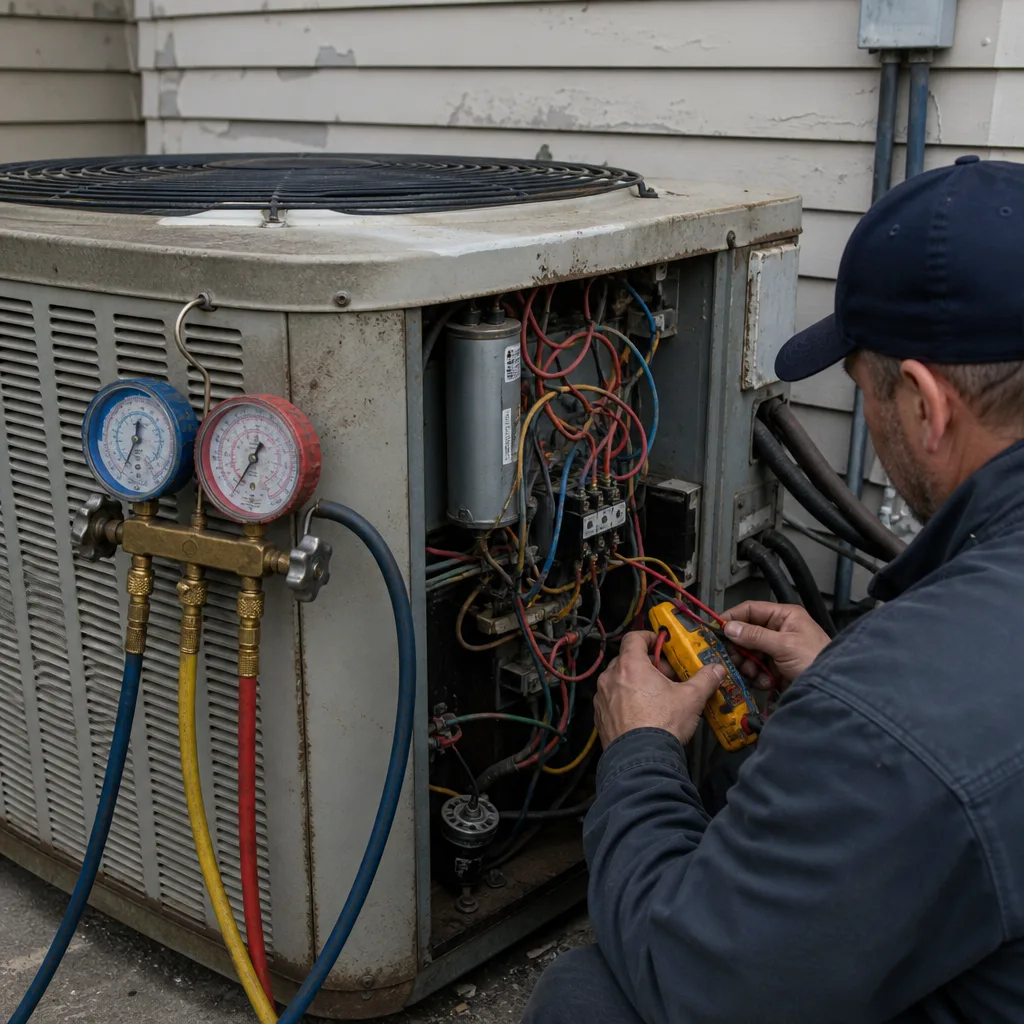 Before
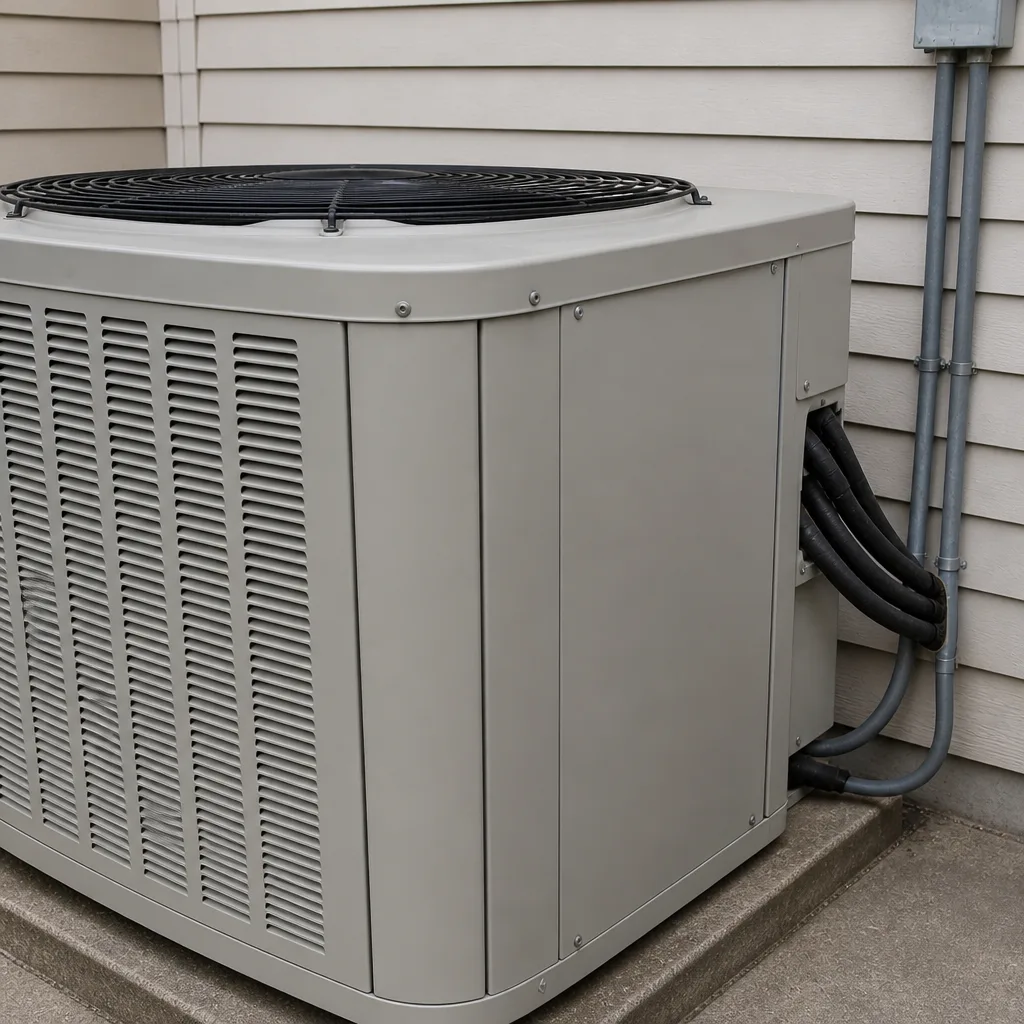 After
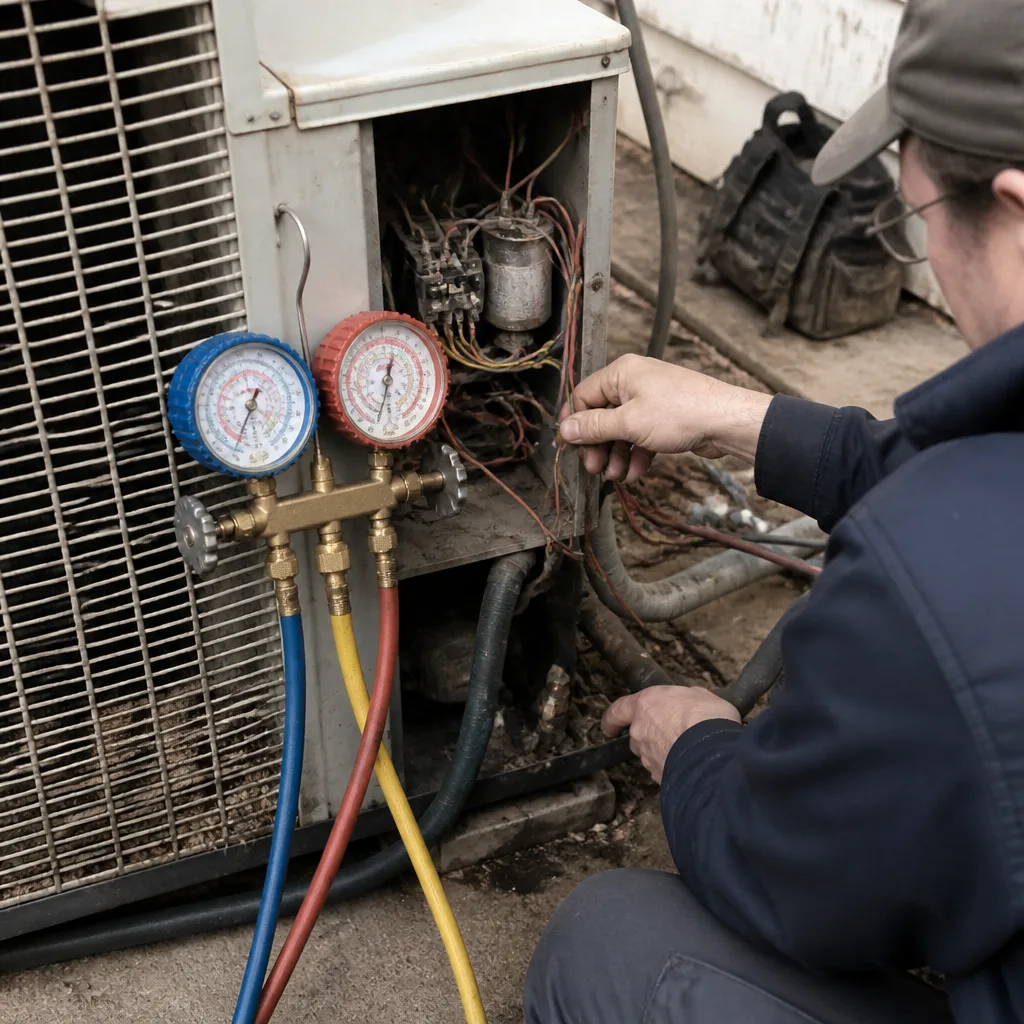 Before
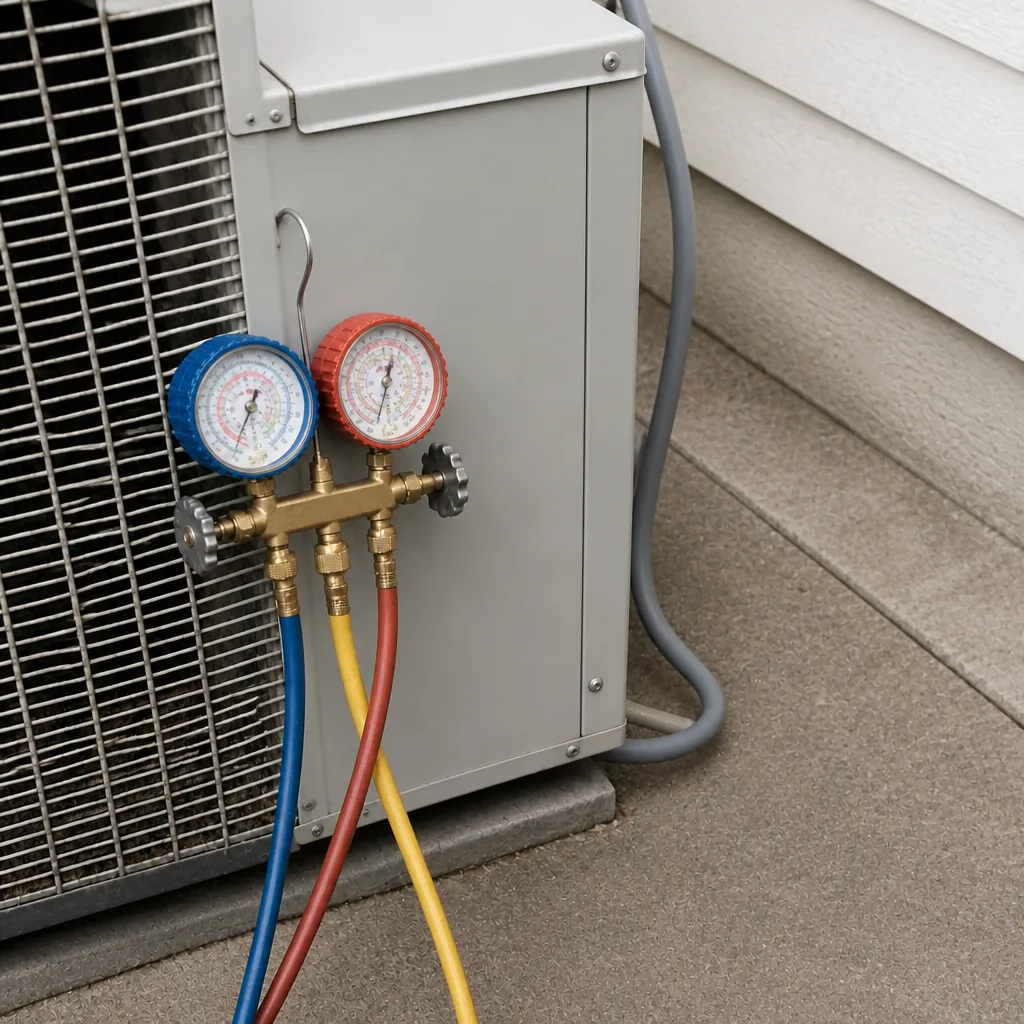 After
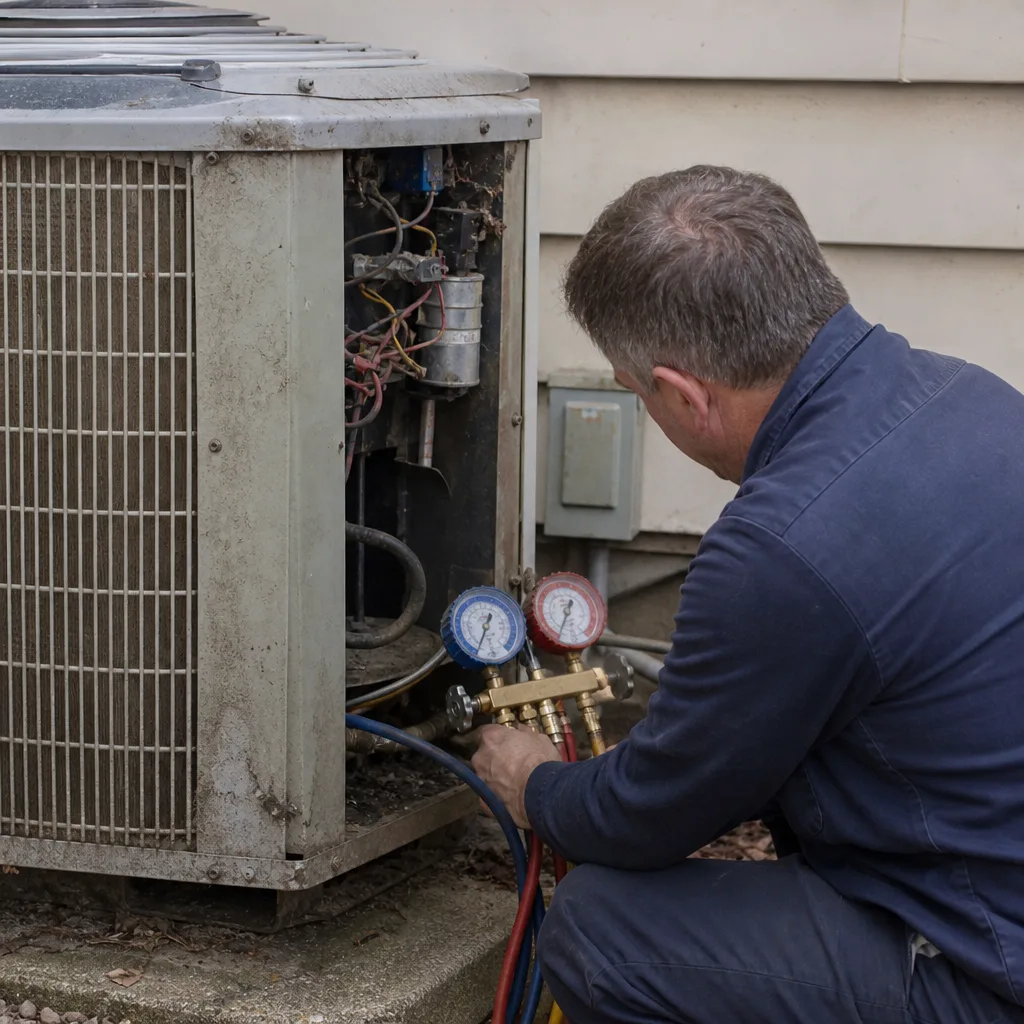 Before
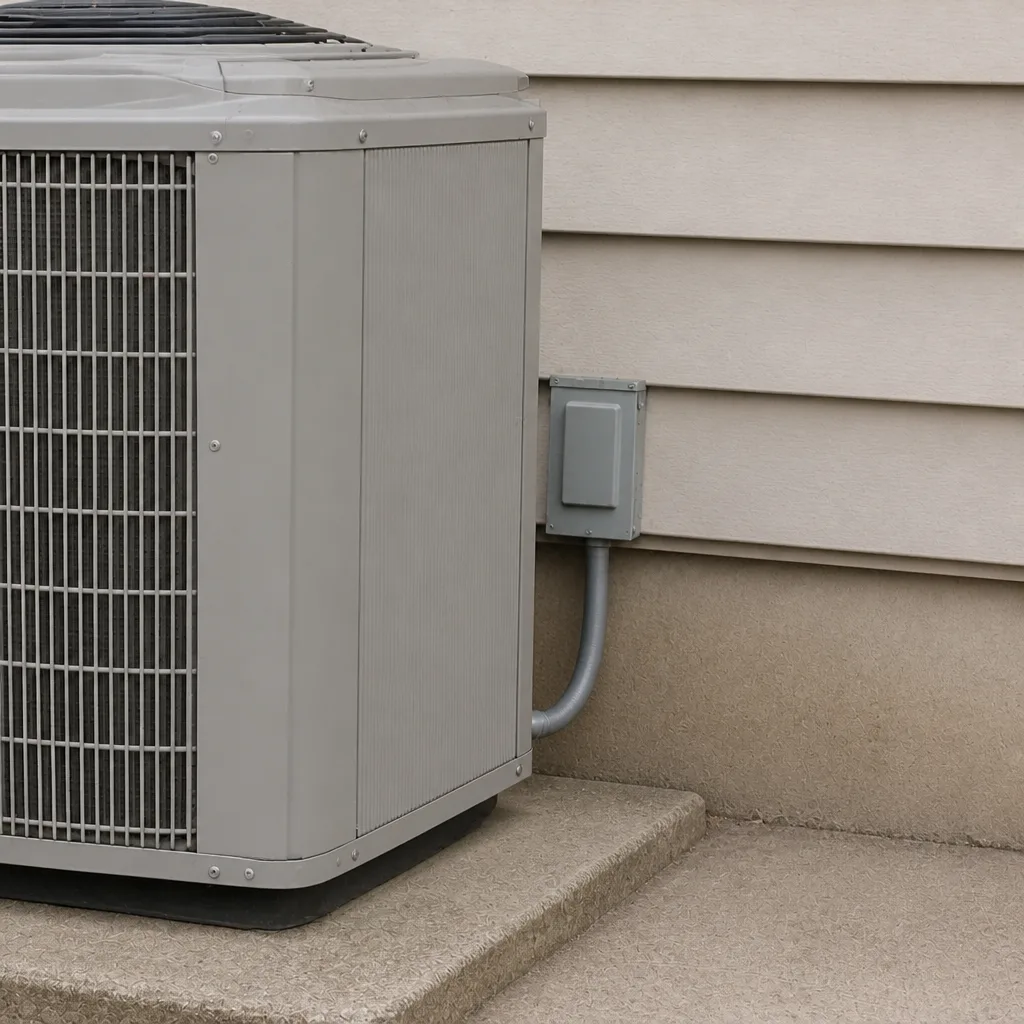 After
When to Call a Professional
Some calls are obvious: refrigerant, gas, sealed electrical, full replacement. Others are less obvious. Call us if you’re replacing a thermostat and the wiring doesn’t match the diagram, if a filter change doesn’t fix a return-air problem, if a drain line keeps clogging after you’ve cleared it, or if a system has started short-cycling. Those are the moments where a $0 conversation saves a much bigger repair. AC Repair West Jordan offers free estimates in West Jordan. Call (833) 946-8705. We answer 24/7, and fast dispatch from 7am to 7pm handles the daytime work.
Frequently Asked Questions
Changing filters, programming or replacing a low-voltage thermostat, clearing condensate drains, cleaning accessible outdoor coils, and general cleaning are all homeowner-appropriate. Refrigerant, gas-line work, sealed electrical, combustion-chamber work, and full system replacement require a licensed professional.
No. Refrigerant handling is restricted under the EPA’s Section 608 program, and a homeowner can’t legally purchase or handle refrigerant or open the sealed circuit. If your system is low, it has a leak that should be diagnosed by a certified professional.
Replacement cost depends on system sizing, efficiency tier, and any ductwork changes required, so the number varies by home. Get a written fixed price that includes a load calculation and permitting, and treat any quote without those as incomplete. Call (833) 946-8705 for a free estimate.
Fast dispatch from 7am to 7pm, Sunday through Friday handles daytime calls, and we book into the next opening when a call comes in outside that window. For anything urgent like no-heat or no-cool in a West Jordan home, call first thing; same-day service is usually possible.
Single-part repairs on a reliable system almost always win on value. Recurring failures, a failed compressor, or a leak in the sealed refrigeration circuit move replacement up the list. We give you the honest answer for your specific system, not a default recommendation.
Rebates vary by utility, equipment efficiency tier, and program timing. We can walk you through what applies to your project and handle the paperwork with the estimate. Call (833) 946-8705 to talk it through before you commit to anything.
The Bottom Line
The DIY vs. professional question comes down to liability and legality, not skill and not price. Filters, thermostats, drains, and accessible coil cleaning belong in the homeowner toolkit. Refrigerant, gas work, sealed electrical, and full-system replacement do not, no matter how good the tutorial looks. Read a repair quote in its parts, ask the plain question about which parts you can handle, and use the answer to save money without risking a federal violation or a blower motor. You can pick up a wrench when it’s safe to pick up a wrench, and call us when it isn’t. That’s the whole framework. AC Repair West Jordan handles the work that legally requires a specialist, on all nine major brands, with a straight answer on repair versus replacement. Call (833) 946-8705 for a free estimate. We answer 24/7. Fast dispatch from 7am to 7pm, Sunday through Friday.
Written by the team at AC Repair West Jordan.