
Last updated November 15, 2026
 AC repair
 Furnace & heating
 Heat pumps
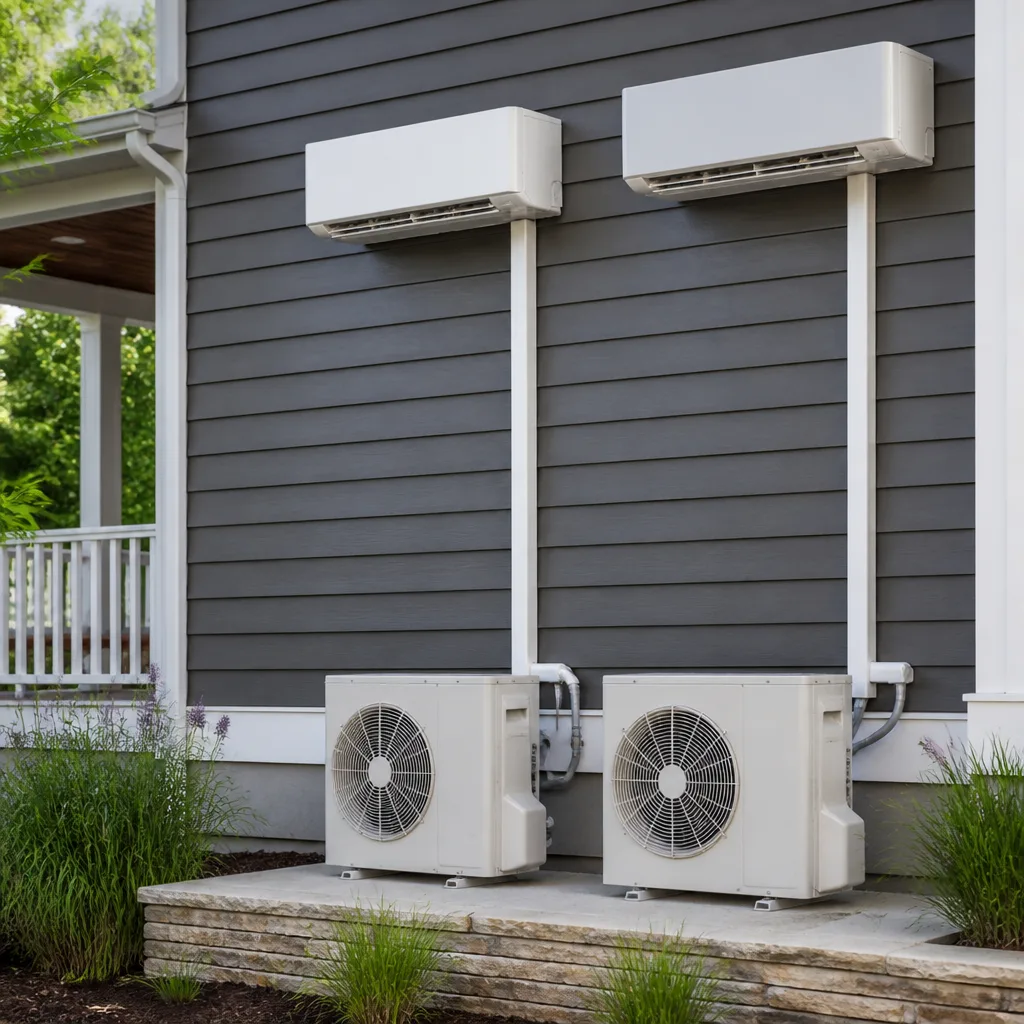 Ductless mini splits
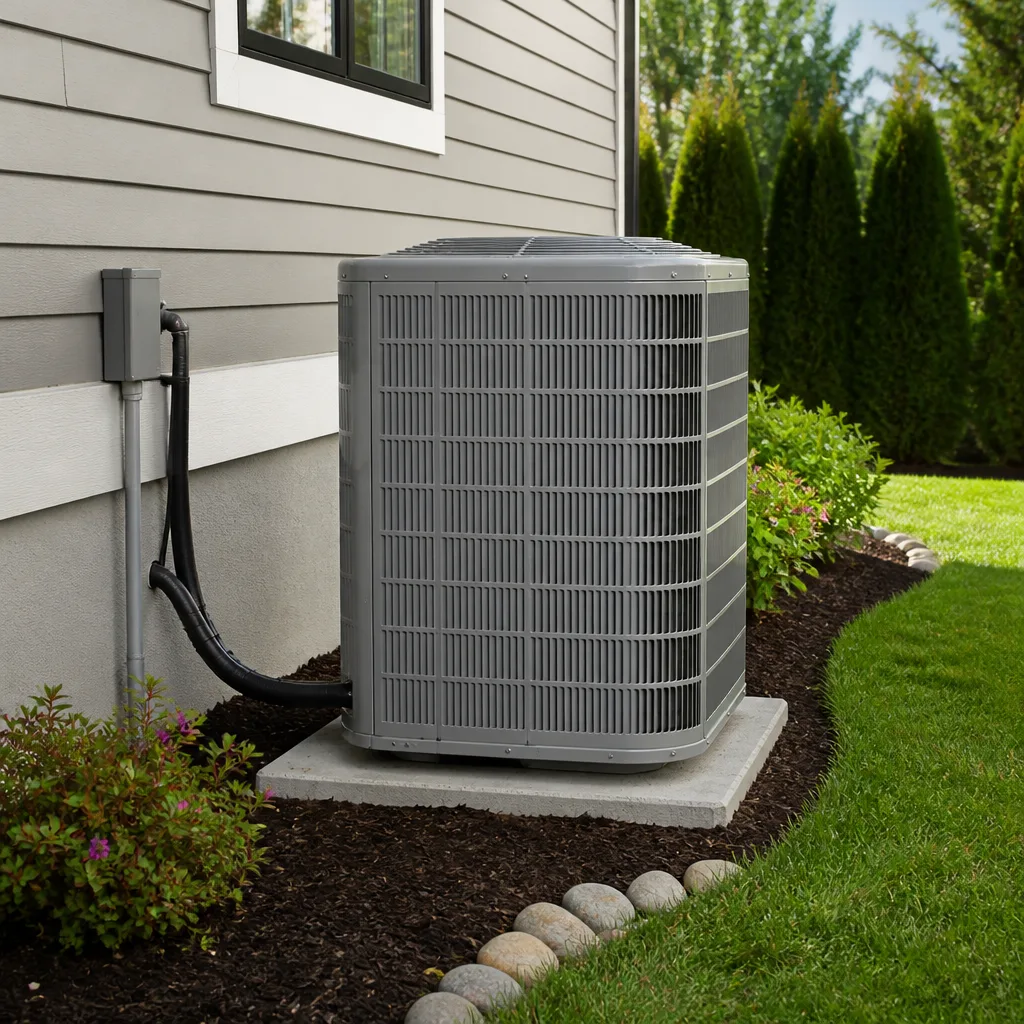 Carrier
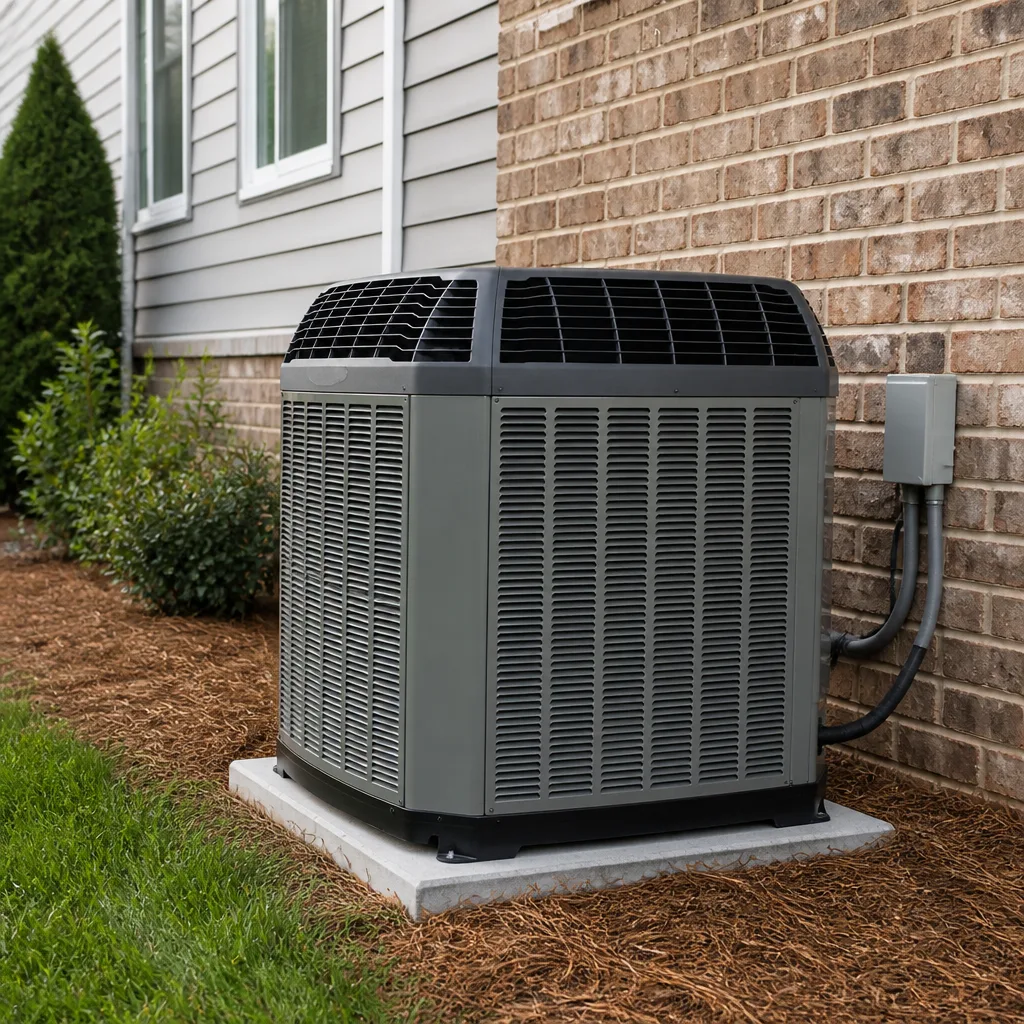 Trane
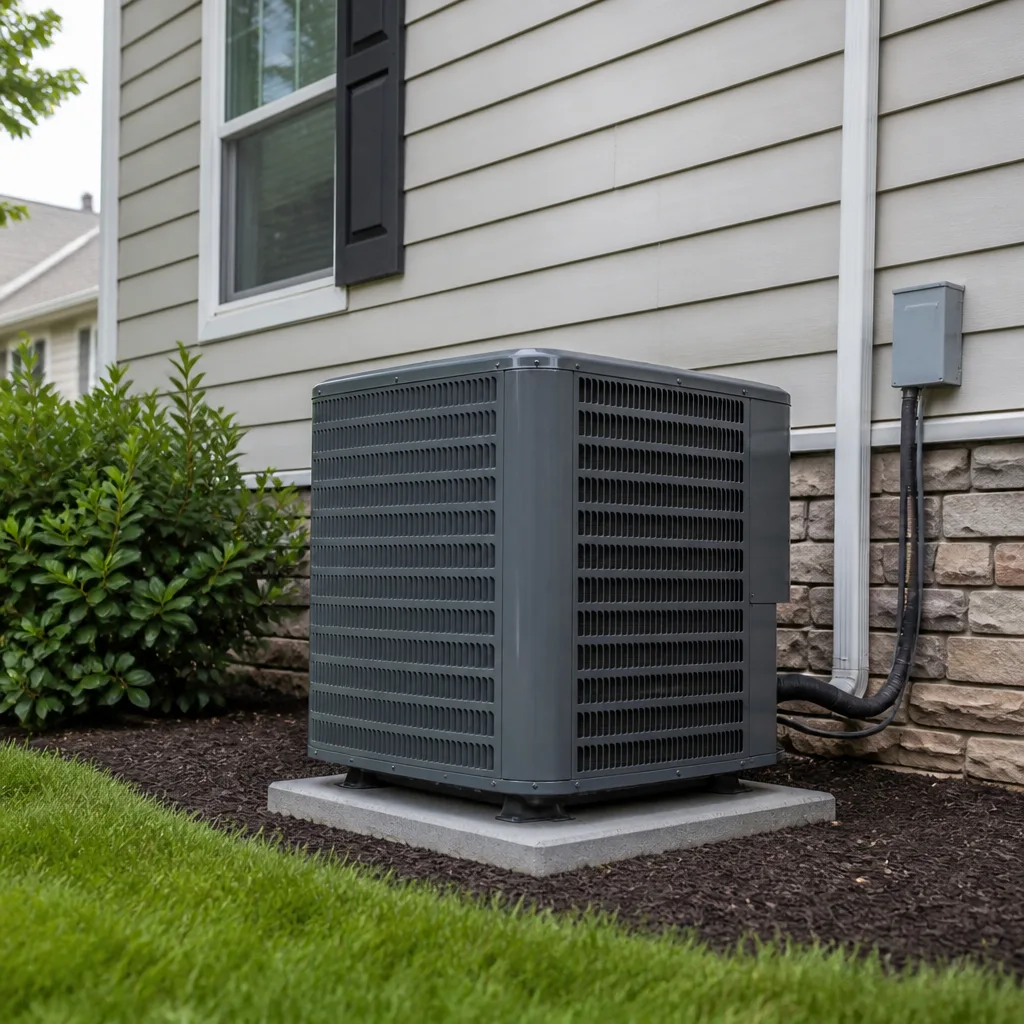 Goodman
Seasonal tune-up and full diagnostic on your Carrier, Trane, or Goodman system - readings shown to you before any repair is proposed
Diagnosis first, numbers second - you approve the repair price before a single part goes in.
Get your free estimateThe Complete AC Installation Guide for West Jordan Homeowners
Most AC installations that underperform aren’t the result of a bad unit. They’re the result of a load calculation copied from a national template that doesn’t account for West Jordan sitting at 4,330 feet above sea level. A system sized on a sea-level chart for a house with the same square footage can end up short on capacity right when you need it most, and no amount of “premium equipment” fixes a sizing mistake baked in before the box was ever opened. In this guide we’ll walk through what a West Jordan installation actually requires: how elevation and dry heat change the numbers, what the Manual J calculation needs to reflect, why your lot’s sun exposure matters, how the permit process works, and how to check your ducts before anything is installed.
Quick Answer
A successful AC installation in West Jordan starts with a room-by-room load calculation built for this climate zone, not a rule-of-thumb based on square footage. From there you choose equipment rated for the altitude-adjusted capacity you actually need, confirm your ducts can handle the airflow, and pull the required permit before work begins. Get those four things right and the unit you buy will perform the way it’s rated. Skip them and even a Carrier, Trane, or Lennox system will struggle.
Styles & brands we work with
- AC repair
- Furnace & heating
- Heat pumps
- Ductless mini splits
- Carrier
- Trane
- Goodman
Table of Contents
- Why altitude changes your AC capacity in West Jordan
- The Manual J inputs that actually change here
- Checking your ductwork before you install anything
- Line routing and sun-exposed West Jordan lots
- Permits and inspection through Salt Lake County
- How to read a contractor’s sizing proposal
- Choosing equipment: brands and what matters more
- Common mistakes to avoid
Why Altitude Changes Your AC Capacity in West Jordan
West Jordan sits at roughly 4,330 feet above sea level, and that elevation matters to how a cooling system performs. As altitude rises, air gets thinner. There is less mass moving through your ductwork and across the indoor coil on every pass. A system rated at a given tonnage at sea level delivers less cooling in thin air because it’s moving fewer pounds of air per minute through the same equipment.
What that means practically: a unit sized on a sea-level load calculation for a 2,000-square-foot house can come up short in West Jordan. The equipment still runs, still cools, but it works harder and never quite catches the design-day load. Homeowners often interpret that as “the AC just isn’t very good” when the real issue was sizing, not quality.
There are two ways to handle it correctly:
- Altitude-adjust the capacity figures. Most manufacturers publish derating data for high elevations. A contractor who takes the time to apply it will choose equipment that gives you the cooling you’re paying for.
- Size from the real load, not nameplate tonnage. Two systems with the same nominal rating can perform differently at altitude depending on airflow and coil design. The load calculation, not the box label, decides what fits.
One more thing about this climate: West Jordan summers routinely push past 100°F on design days. The load calculation has to use the actual design temperature for this area, not a generic national default. If the sizing software was set up for 95°F, you’ve already lost capacity before altitude even enters the picture.
The Manual J Inputs That Actually Change Here
Manual J is the industry-standard room-by-room load calculation, and it’s only as good as the numbers entered into it. In our experience, the installation failures we get called out to fix almost always trace back to a calculation that used the wrong inputs. Here’s what needs to reflect West Jordan specifically:
- Summer design temperature. This area sees 100°F+ design days. The calculation must use that figure, not the 92-95°F defaults that show up in sea-level or moderate-climate templates.
- Low humidity. Utah’s dry air means far less latent (moisture-removal) load than a coastal install would carry. A system oversized to compensate for humidity that isn’t there will short-cycle and wear out faster. Here, the sensible heat load drives the number.
- Window orientation and glass area. South- and west-facing windows on a West Jordan house with limited shade add significant load on summer afternoons. That needs to be tabulated, not averaged.
- Attic and wall construction. Insulation levels, duct location (attic duct runs are common here and get brutally hot), and window U-values all feed the calculation. Anyone who sizes without inspecting the attic is guessing.
- Elevation corrections. Applied after the base load is established, as described above.
Ask any contractor you’re considering which design temperature they use and whether they altitude-adjust. If the answer is vague, that’s your signal. A load calculation you can’t inspect is a guess with a report stapled to it.
For repair questions on an existing system, our team handles AC repair in West Jordan and can assess whether your current equipment is undersized before you spend money on a replacement.
Checking Your Ductwork Before You Install Anything
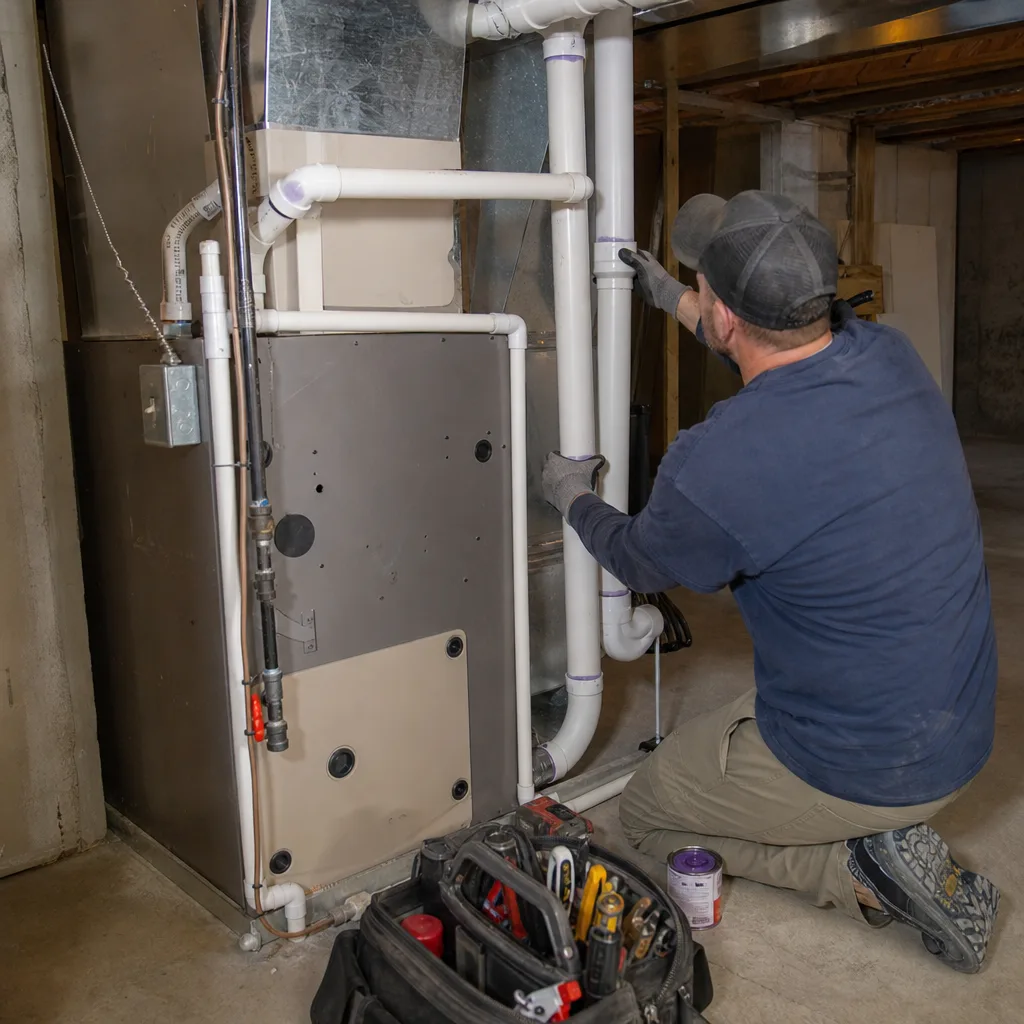
This is the step most installers skip, and it’s the one that causes immediate efficiency loss. You can buy a perfectly sized system, install it correctly, and still end up with rooms that never cool because the ducts can’t deliver the airflow the new equipment needs. A new air conditioner moves more air than an older one, and old ducts often can’t handle it.
Before installation, a thorough contractor should check:
- Static pressure. Measured in the supply and return plenums. High static pressure means the system is fighting the ducts and losing airflow.
- Duct sizing relative to the new equipment’s required CFM. Undersized trunk lines or too few branch runs starve rooms of air.
- Leakage, especially in attic runs. Ducts running through a West Jordan attic lose cooling before the air reaches the register if they leak or lack insulation.
- Return air adequacy. A single undersized return can choke a new system no matter how well it’s sized on the supply side.
- Register and grille sizing. Small grilles restrict flow; some rooms need upsizing to balance properly.
If the ducts need work, better to know before the new unit is set than after. A duct repair costs far less than a system that never cools the way it should, and it protects the equipment you just paid for. We can walk through duct assessment and repair options as part of any AC installation we estimate.
Line Routing and Sun-Exposed West Jordan Lots
West Jordan’s newer subdivisions tend to have flat, open lots with limited mature shade. That changes a few installation decisions that don’t come up on hillside or heavily treed properties.
Refrigerant line routing. The lineset carries refrigerant from your outdoor unit to the indoor coil. On a sun-exposed lot with a long run to the condenser location, run length and routing matter. Longer runs mean more length to insulate and charge correctly. Where the lineset can run in shade or inside a conditioned space, it should; where it can’t, it needs heavier insulation and correct support. On flat lots without natural shading, a lineset left exposed over a sun-baked wall will pick up heat. A careful installer routes it deliberately and insulates for the exposure.
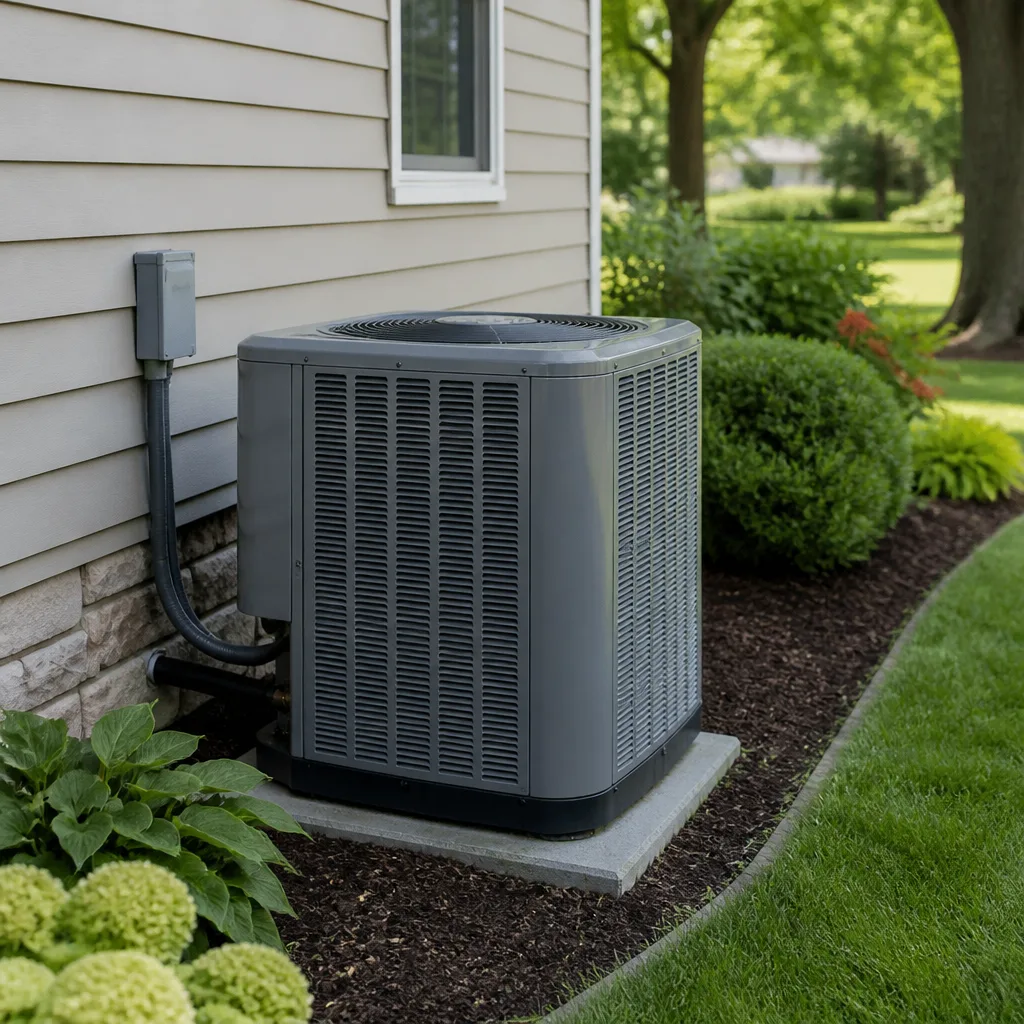
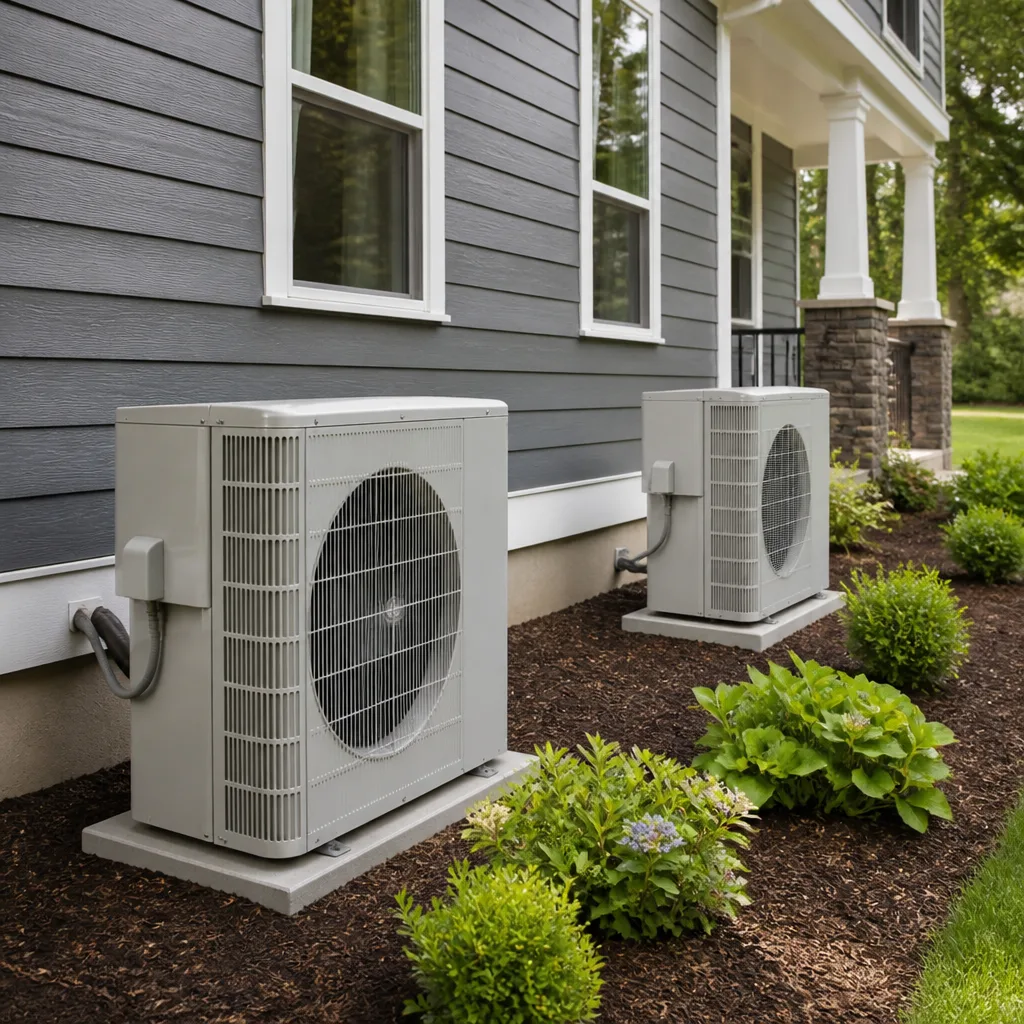
Condenser placement. Outdoor units need airflow clearance and some afternoon shade where possible. On a flat, sun-exposed West Jordan lot, that means thinking about where the unit sits relative to the house wall and other equipment, and leaving adequate clearance for the fan to discharge heat. Placing a unit tight against a west wall with no clearance is a common shortcut that costs you efficiency.
Drainage and pad leveling. Condensate needs a clear path away from the foundation. Flat lots make this simple, but the unit still needs a level pad and a proper drain route.
None of this is exotic. It’s just the kind of thing that gets overlooked when a crew installs on autopilot. The best installers think about sun exposure and lot layout before they set the pad.
Permits and Inspection Through Salt Lake County
Replacing an air conditioner is permitted work in most jurisdictions, and you should expect your contractor to pull the permit before any work begins. The specific rules and fees are set by the local building authority, so the exact process depends on where in the area you are. Homeowners in West Jordan should ask directly: “Will you pull the permit, and who handles the inspection?”
Here’s what a proper permit process looks like from your side:
- The contractor pulls the permit before work starts. Not after, not “we’ll file it later.” The permit number should exist before equipment is removed.
- You receive the inspection information. The inspector signs off on the installation, electrical connections, refrigerant handling, and clearances.
- The final inspection passes. If the inspector flags anything, the contractor corrects it before closing out.
Why this matters beyond the paperwork: permitted, inspected work protects you if you ever sell the home and it’s a sign the contractor operates legitimately. An installer who shrugs off the permit question is telling you something about how the rest of the job will go. Ask, and expect a clear answer.
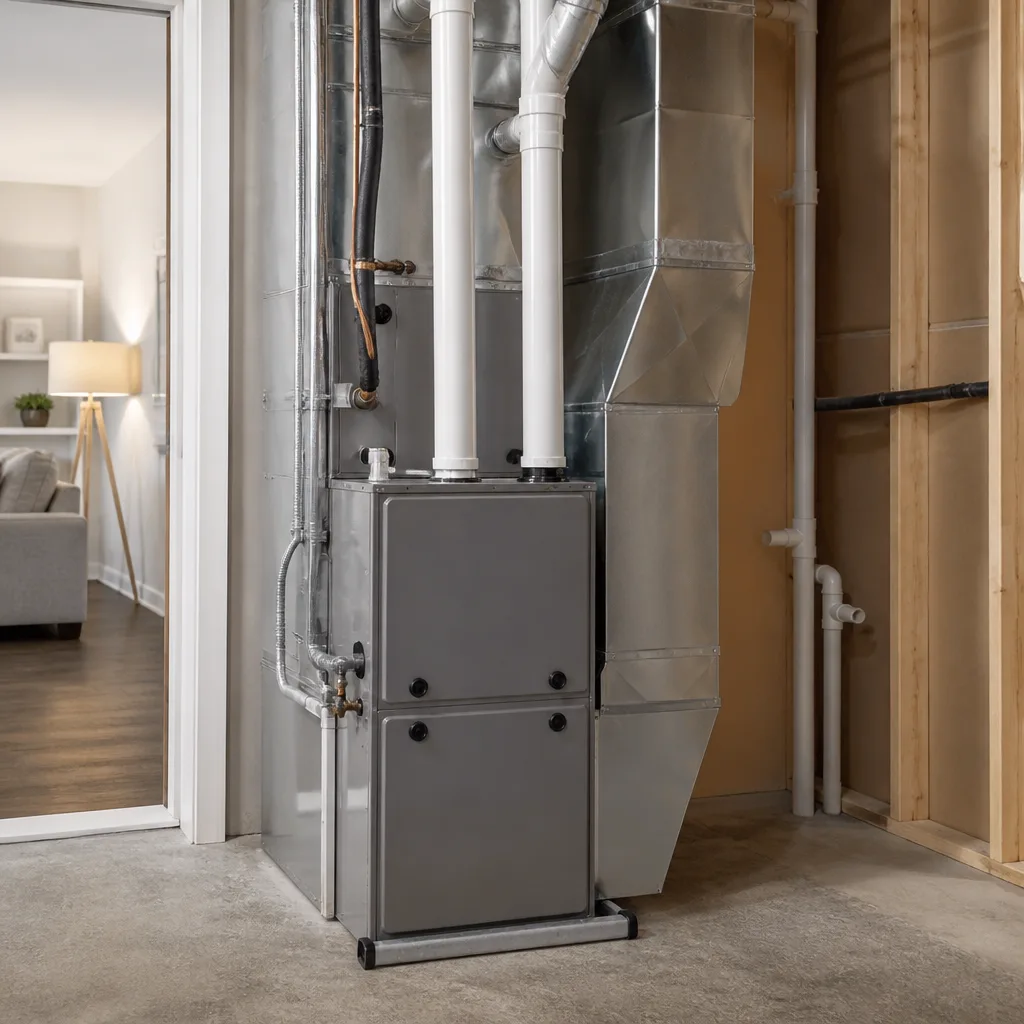
If you’re also weighing furnace work while you have someone out, understand that heating and cooling are one system in your home. We handle furnace repair with the same team, so you’re not juggling two contractors for the two halves of your comfort system.
How to Read a Contractor’s Sizing Proposal
When you get a proposal, the number you’re looking at is tonnage, but tonnage alone doesn’t tell you if the sizing is right. Here’s how to evaluate what you’ve been handed.
- Does the proposal include a Manual J calculation? Ask to see it. It should be room-by-room, not a single number for the whole house.
- Which design temperature was used? For West Jordan this has to reflect 100°F+ summer days, not a national default.
- Was altitude adjustment applied? A contractor who knows this market will confirm the capacity derating was accounted for.
- Is the tonnage close to the calculated load? Oversizing is as much a problem as undersizing. A unit that’s too big cools too fast, short-cycles, and doesn’t pull its rated capacity efficiently.
- Were ducts inspected? A proposal that doesn’t mention duct condition or static pressure is missing the step that determines whether your system actually delivers air.
- What’s the SEER2 rating and does it fit your goals? Higher efficiency costs more upfront but matters more in a climate with long, hot cooling seasons like West Jordan’s.
A solid proposal answers these in writing. If yours doesn’t, ask the questions before you sign. Comparing two or three quotes side by side makes the good ones obvious.
Choosing Equipment: Brands and What Matters More
Once sizing is right, brand becomes a question of fit, not identity. We’re equipped to service nine major HVAC brands, including Carrier, Trane, and Lennox, along with Goodman, Rheem, York, Daikin, Bryant, and American Standard. That range matters because it lets us make recommendations based on your home’s actual needs rather than a manufacturer relationship. We don’t owe any single nameplate our loyalty.
What actually drives a good equipment choice:
- Capacity matched to the altitude-adjusted load. Already covered, and still the most important factor.
- Efficiency rating suited to your usage. A high-SEER2 system pays back more in a market with a long cooling season than in a mild one.
- Parts availability. The brands we name have broad dealer and parts networks, which keeps future repairs simpler.
- Warranty terms that match the install. Manufacturer warranties depend on proper installation, so the warranty is only as good as the installer.
We’ve repaired enough systems to know that how a unit is installed matters more than which logo is on the front. Repair or replace, we give you the honest answer for your specific system. If your existing equipment is worth keeping, we’ll tell you.
Common Mistakes to Avoid
- Sizing by square footage alone. A rule-of-thumb “one ton per 600 square feet” assumes a climate that isn’t West Jordan’s. It ignores insulation, windows, altitude, and the real design-day temperature, and it’s wrong more often than it’s right.
- Skipping the duct inspection. Installing a new system on old, undersized, or leaky ducts is the most common way a good installation underperforms. Measure static pressure before you buy.
- Ignoring altitude derating. Equipment rated at sea level doesn’t deliver the same capacity at 4,330 feet. If your contractor doesn’t mention it, ask.
- Letting a contractor install without a permit. Unpermitted work can complicate a future sale and skips the inspection that catches mistakes. Confirm the permit is pulled first.
- Oversizing for “extra power.” Bigger is not better. An oversized unit short-cycles, dehumidifies poorly, and wears out faster. The calculated load should drive the tonnage.
- Forgetting the heat side. If your furnace is old, replacing only the AC can leave heating performance mismatched. Ask about both while the walls are open and the crew is on site.
- Choosing on price alone. A slightly higher bid that includes load calculation, duct inspection, and permits is cheaper than a low bid that skips them and leaves you with a system that doesn’t cool properly.
See the difference
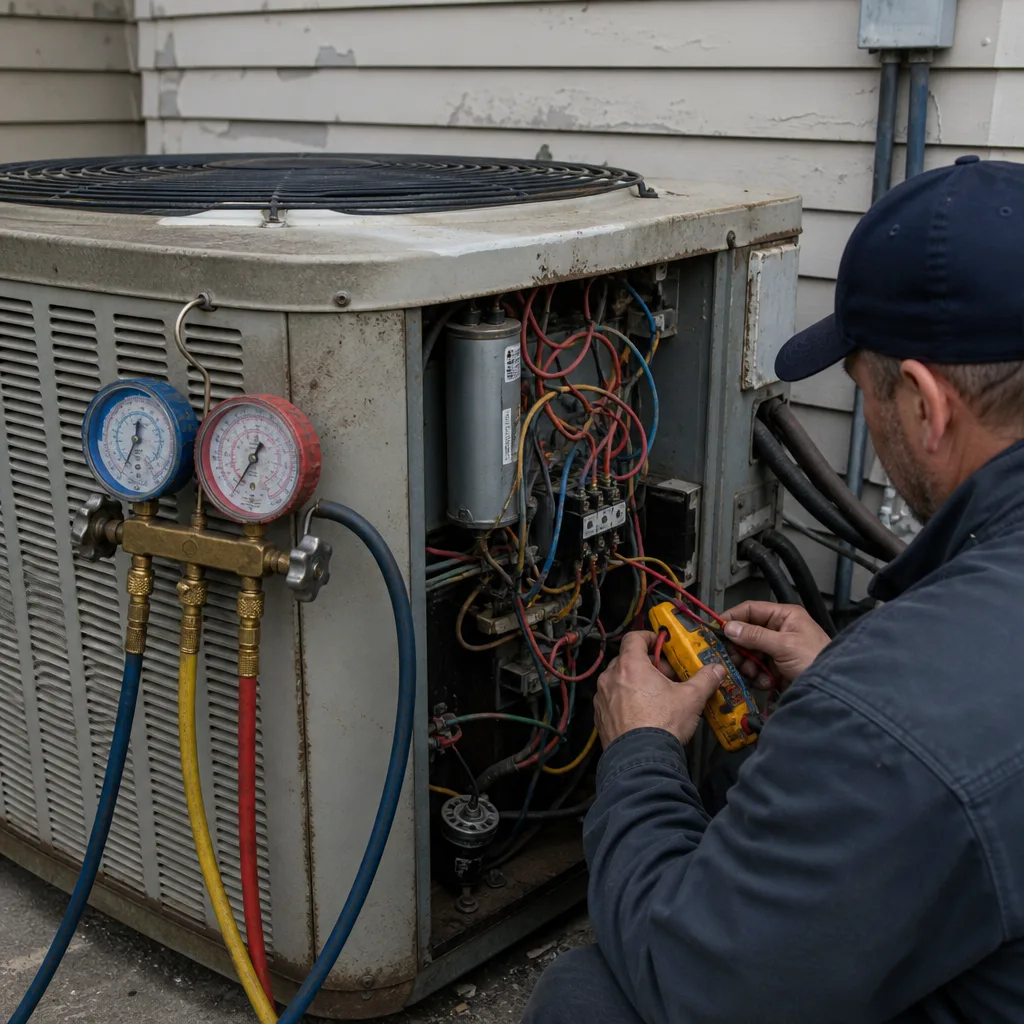 Before
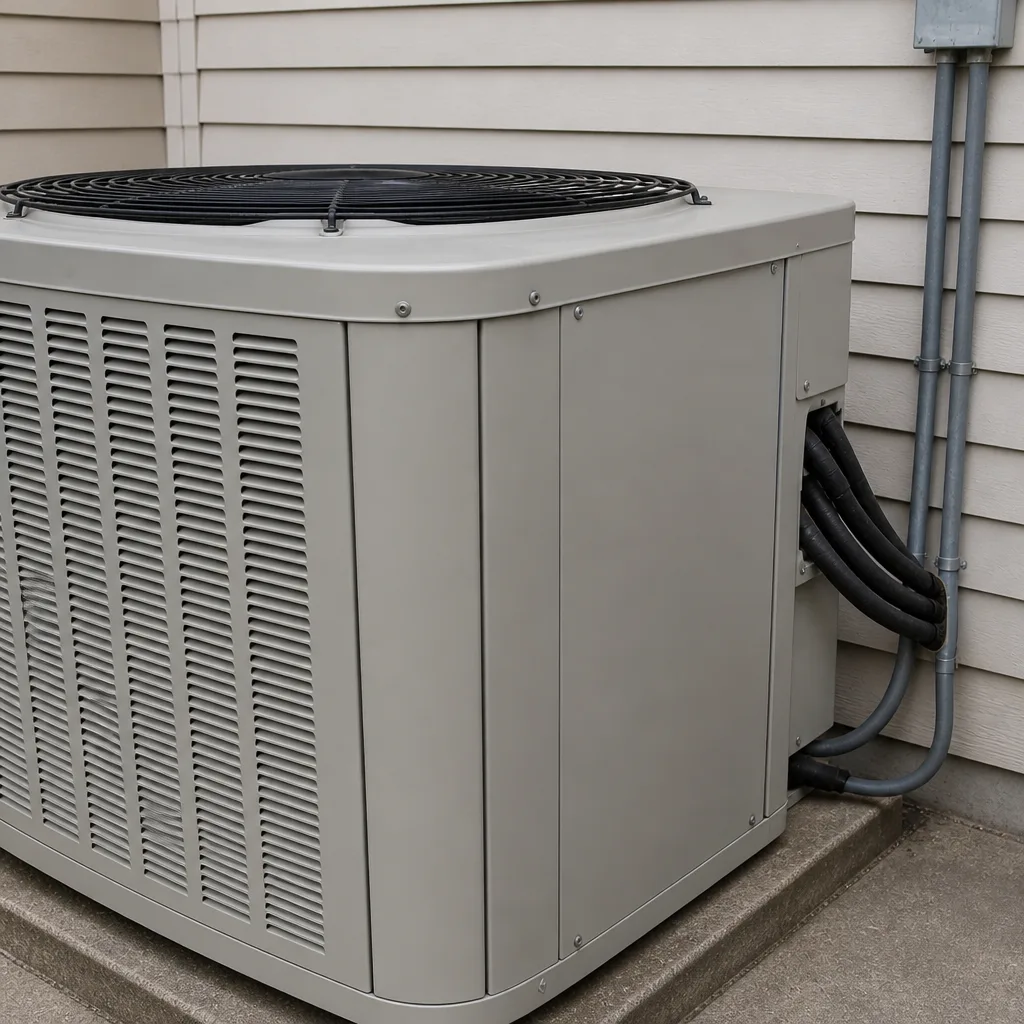 After
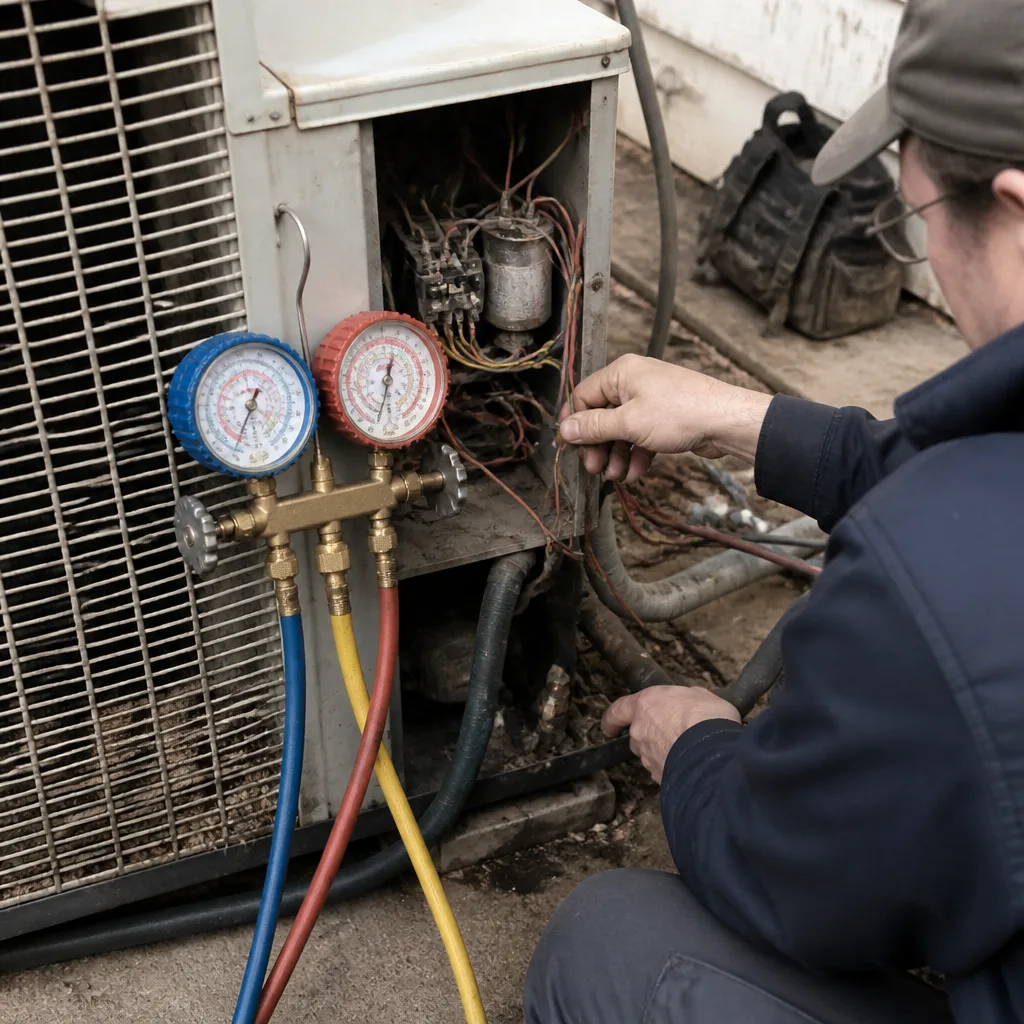 Before
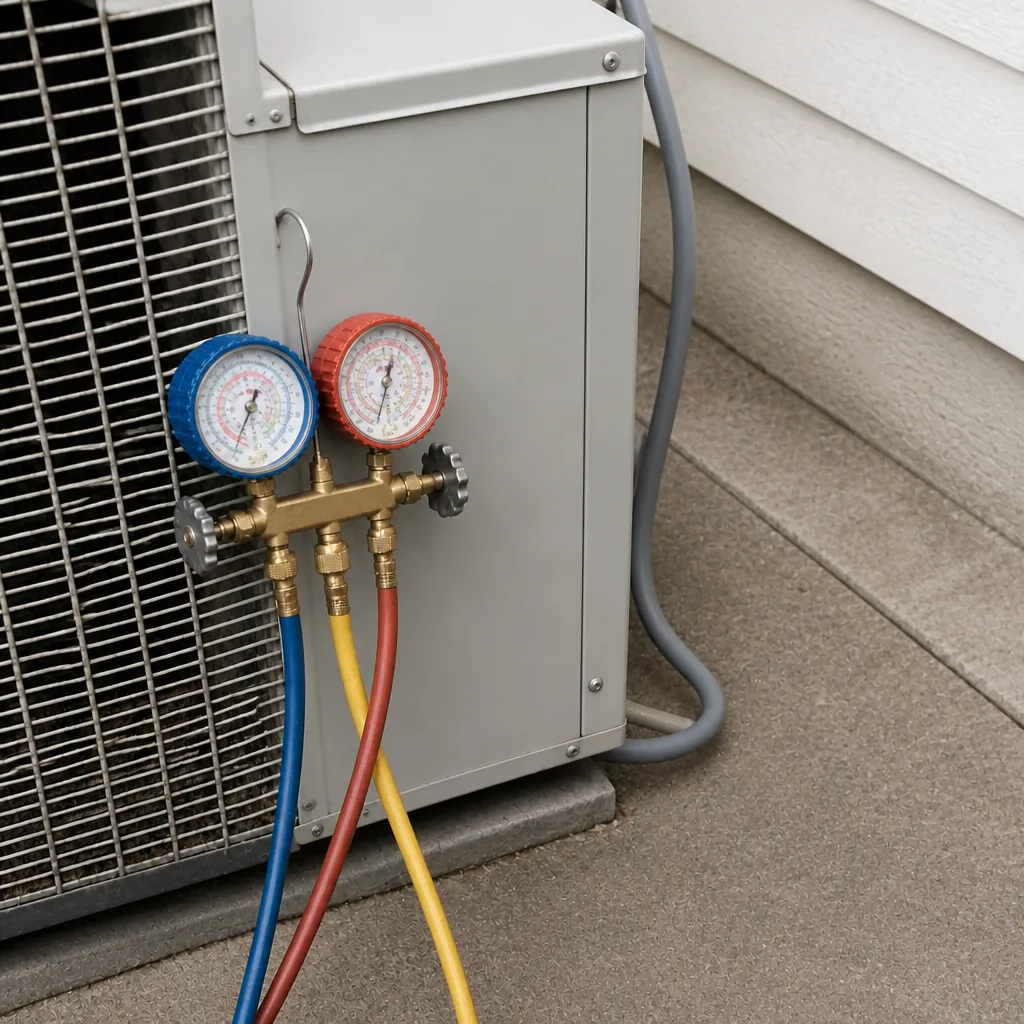 After
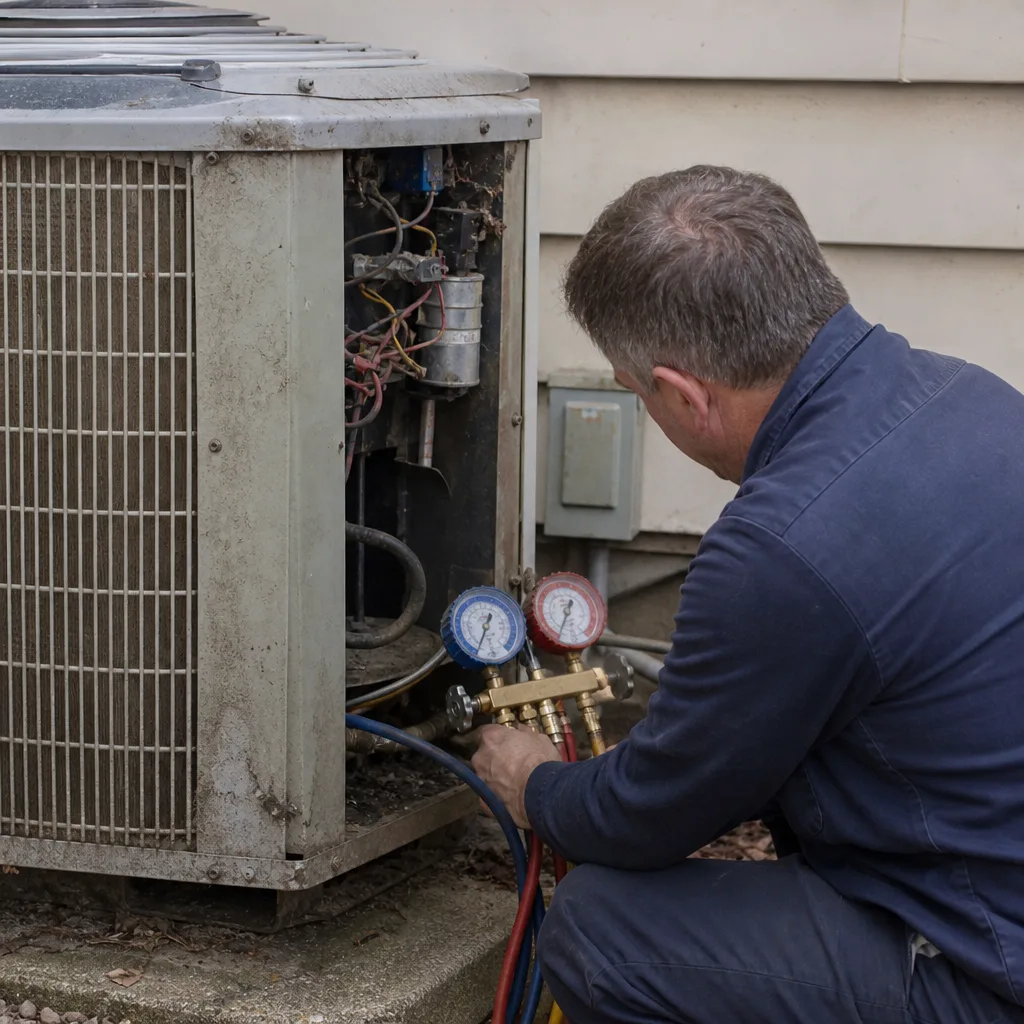 Before
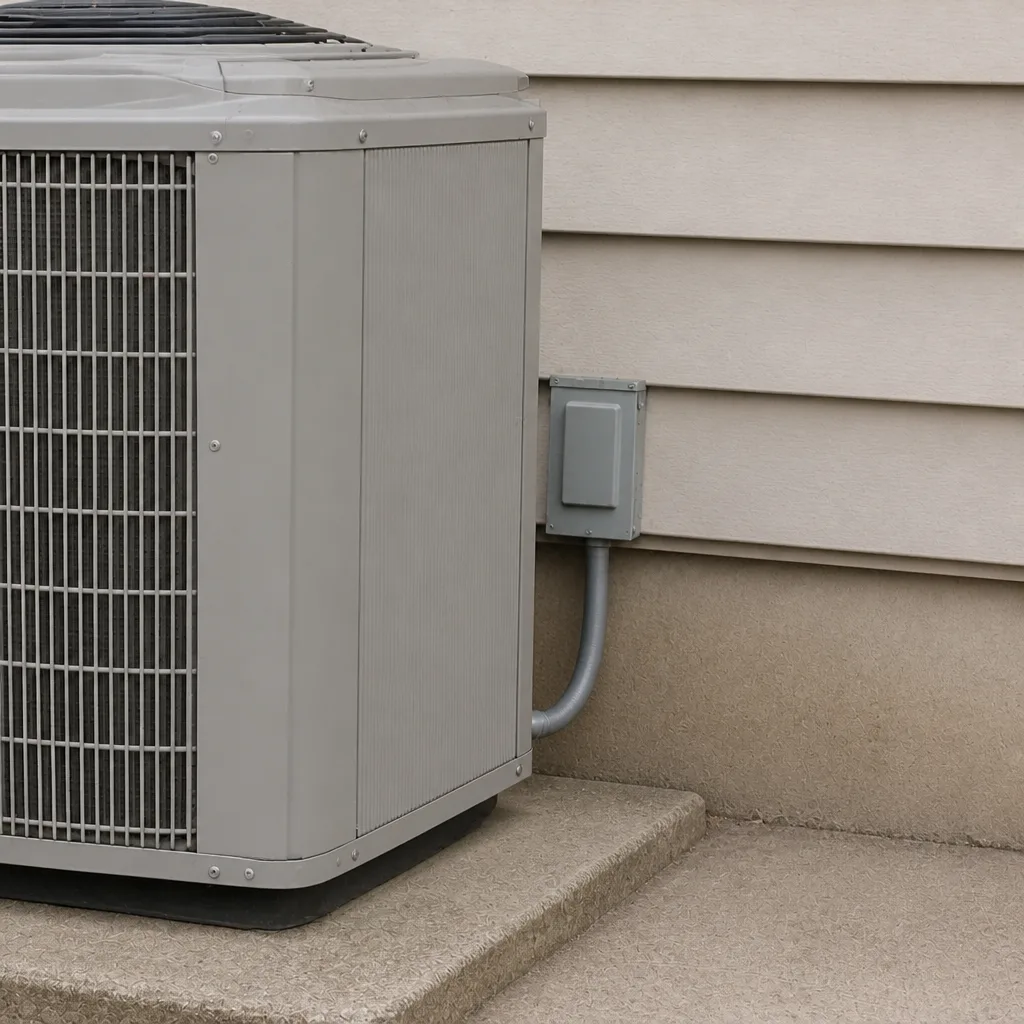 After
When to Call a Professional
Call a professional when your system is undersized or aging out and you’re weighing replacement, when rooms in your West Jordan home never cool evenly, when you’re getting conflicting quotes and want a clear read on repair versus replace, or when you’re planning a new installation and need the load calculation, duct assessment, and permit handled correctly from the start. A failed system in a West Jordan summer is a health risk, especially for older adults and young children, so don’t wait on a unit that’s barely keeping up. AC Repair West Jordan offers free estimates in West Jordan. Call (833) 946-8705. We answer 24/7. Fast dispatch from 7am to 7pm, Sunday through Friday.
Frequently Asked Questions
A straightforward replacement usually fits in a single day once equipment is on site, while a first-time install or one with ductwork changes can take longer. The timeline depends on the load calculation, duct condition, and permit inspection scheduling. Call (833) 946-8705 for an estimate that accounts for your specific setup.
In most cases yes, and the exact requirements come from your local building authority. The right approach is to confirm with the jurisdiction and have your contractor pull the permit before work starts, not after. Ask any installer to confirm this in writing.
At 4,330 feet, thinner air carries less cooling capacity through the same equipment, so a unit rated at sea level underperforms here unless it’s altitude-adjusted. A proper load calculation accounts for it and matches equipment to the real capacity your home needs.
The only reliable answer comes from a room-by-room Manual J load calculation using this area’s actual summer design temperature and low humidity. Square footage alone won’t tell you. A contractor who sizes without a calculation is guessing.
It depends on the unit’s age, condition, and how far it is from your home’s actual cooling needs. We offer both options and give you the honest assessment for your specific system rather than a default upsell. Call (833) 946-8705 for an honest evaluation.
We’re equipped to service nine major HVAC brands, including Carrier, Trane, Lennox, Goodman, Rheem, York, Daikin, Bryant, and American Standard. That range means you won’t need a different technician because of your nameplate. Call (833) 946-8705 to confirm service for your equipment.
The Bottom Line
A successful AC installation in West Jordan comes down to doing the sizing right for this specific climate and elevation, checking the ducts before the equipment goes in, and pulling the permit. Get those right and the system you buy performs the way it’s rated. Skip them and no brand name saves you. Our technicians have up to 13 years of experience, we service nine major brands without a single-manufacturer bias, and we give you a straight repair-versus-replace answer. If you’re ready to move forward, call (833) 946-8705 for a free estimate. We answer 24/7. Fast dispatch from 7am to 7pm, Sunday through Friday.
For more on the local service area, see our West Jordan page. Our technicians have up to 13 years of experience, and we handle AC installation, furnace repair, and furnace replacement as one specialist team focused only on HVAC.
Written by the team at AC Repair West Jordan.