
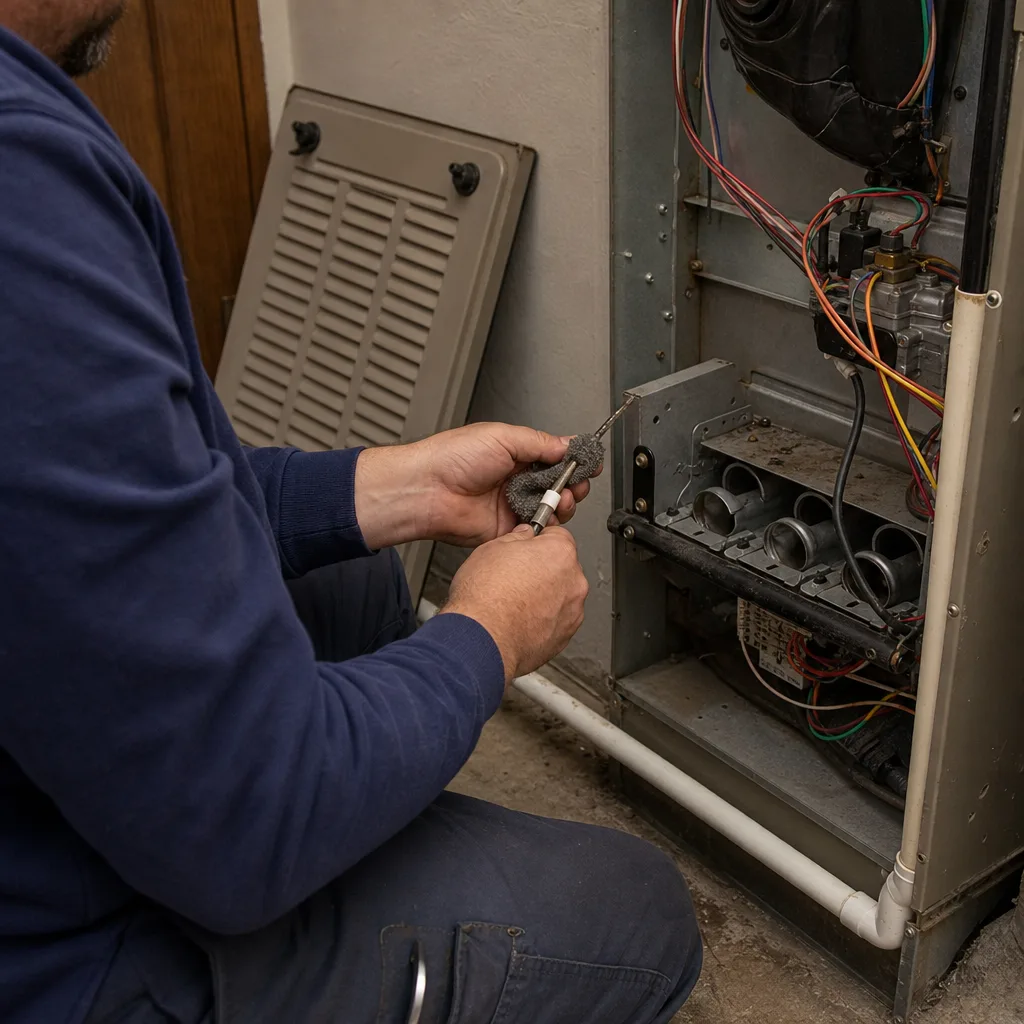
Last updated November 15, 2026
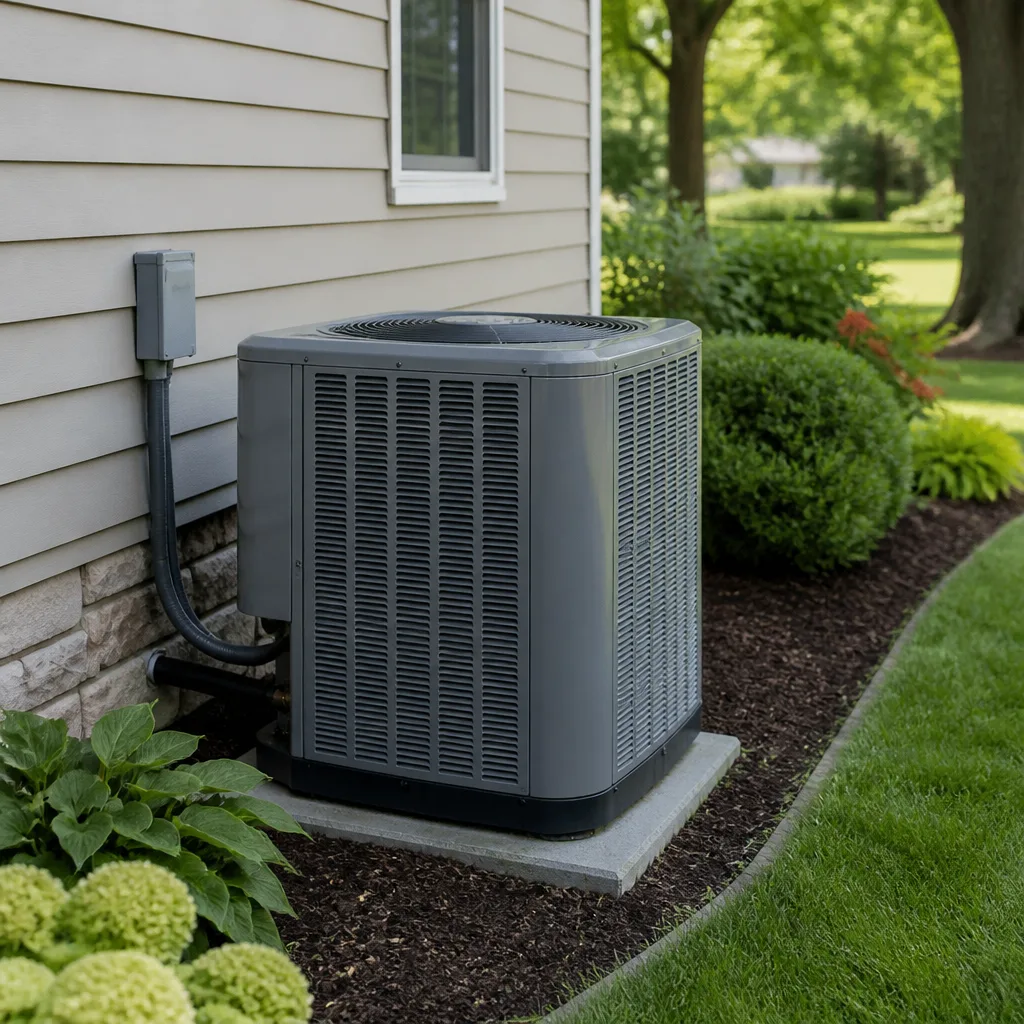 AC repair
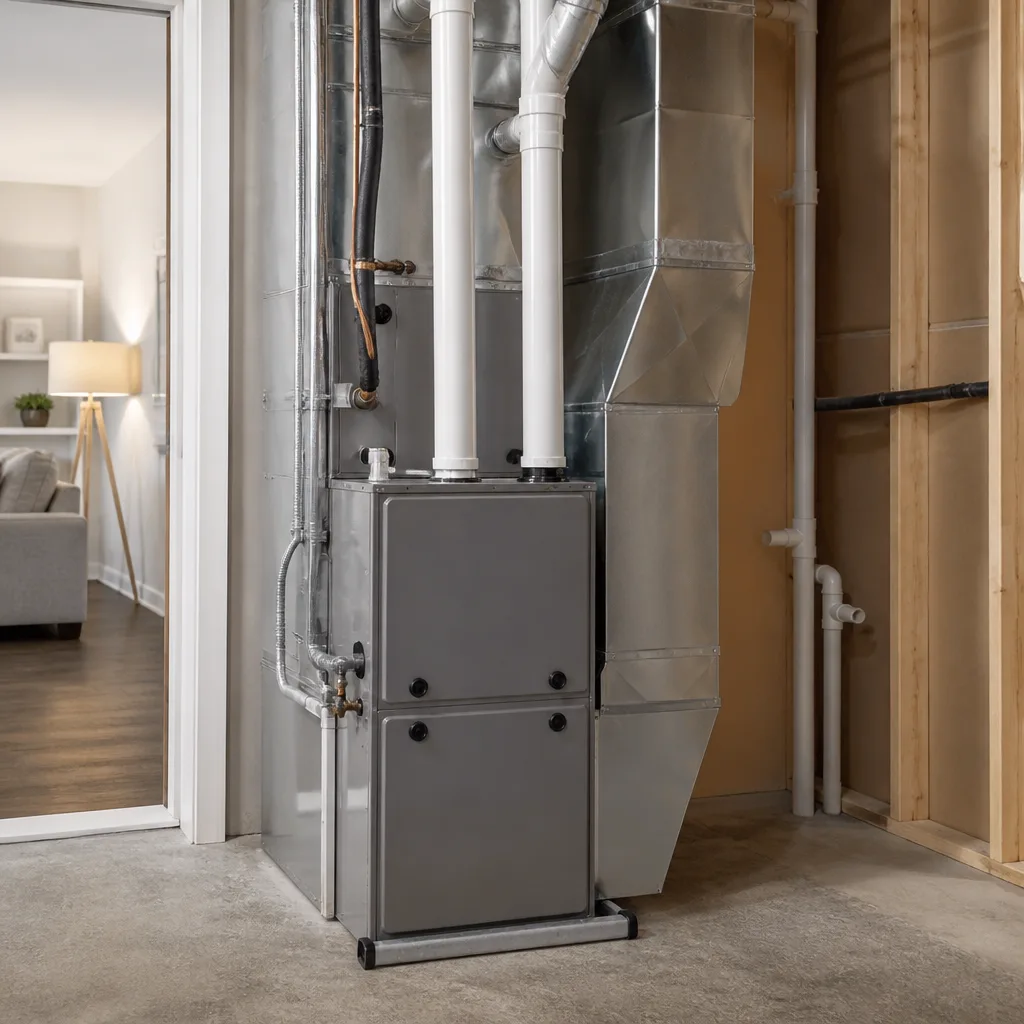 Furnace & heating
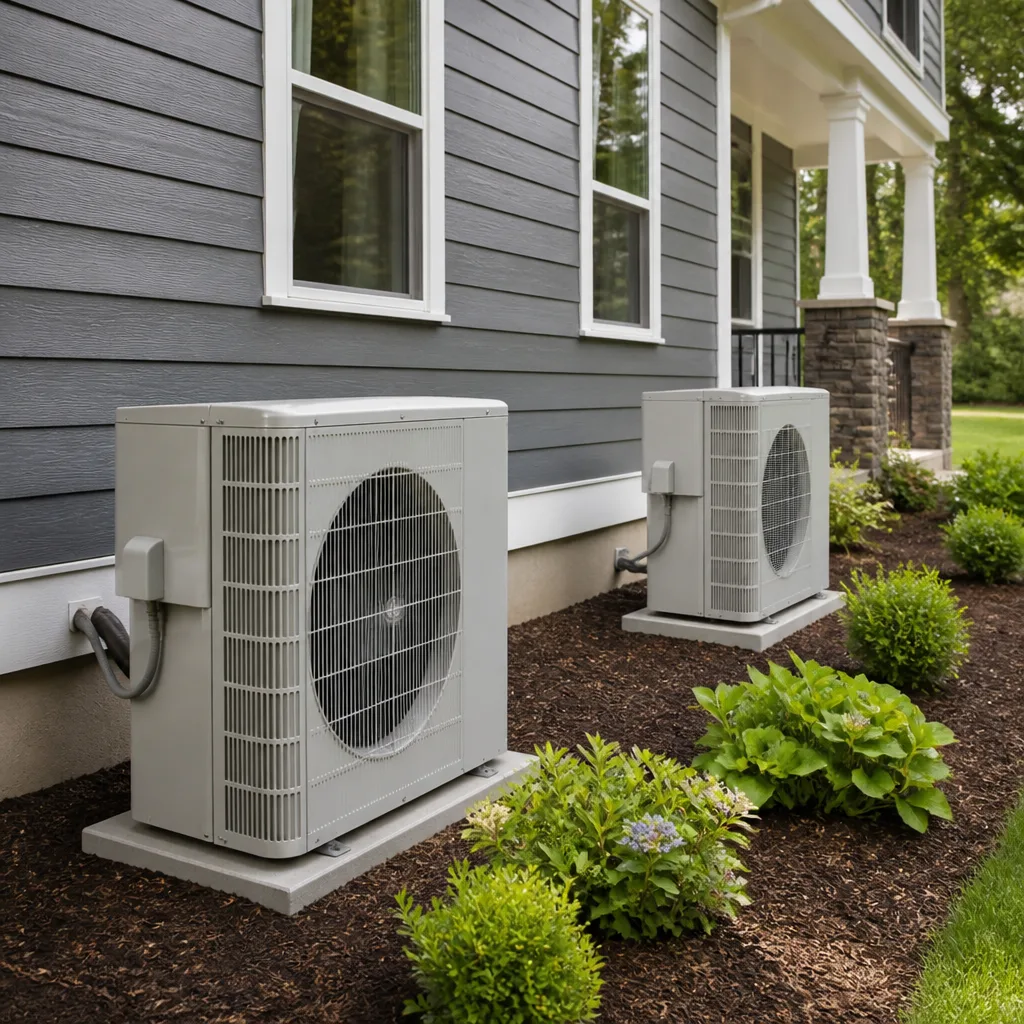 Heat pumps
 Ductless mini splits
 Carrier
 Trane
 Goodman
Seasonal tune-up and full diagnostic on your Carrier, Trane, or Goodman system - readings shown to you before any repair is proposed
Diagnosis first, numbers second - you approve the repair price before a single part goes in.
Get your free estimateAC Installation Troubleshooting in West Jordan: Common Problems and How to Fix Them
Most people assume a brand-new air conditioner that isn’t cooling right must be defective. In our experience across West Jordan, that’s rarely the story. A fresh install that short cycles, freezes up, or just never reaches setpoint usually has a setup problem, not a broken machine. The three culprits we see most are a refrigerant charge that wasn’t dialed in for our elevation, an electrical circuit that was never verified, or an old duct system choking the airflow of a more powerful unit. This guide walks through how to tell those apart from symptoms alone, what each reading means, and how to document a real defect so it holds up.
Quick Answer
Most AC installation problems in West Jordan trace back to a refrigerant charge set at the wrong pressure for our elevation, an undersized or unverified electrical circuit, or a duct system that can’t handle the new unit’s airflow. These aren’t random failures. You can usually narrow it down to one of the three by watching how the system behaves in its first week: how cold the supply air gets, how long the cycles run, and whether it trips the breaker.
Styles & brands we work with
- AC repair
- Furnace & heating
- Heat pumps
- Ductless mini splits
- Carrier
- Trane
- Goodman
Table of Contents
- Why Altitude Changes the Refrigerant Charge in West Jordan
- How to Tell a Charge Problem From an Airflow or Electrical Problem
- What Short Cycling on a New Install Actually Means
- The Electrical Checks Your Installer Should Have Made Before Startup
- Why New Units on Old Ducts Trigger High Static Pressure Faults
- How to Document Installation Defects So Warranty Claims Hold Up
- Getting a New System Properly Commissioned
- Common Mistakes to Avoid
Why Altitude Changes the Refrigerant Charge in West Jordan
West Jordan sits roughly 4,300 to 4,700 feet above sea level depending on where you are in the city. That matters more than most homeowners realize. An air conditioner’s refrigerant pressures shift with atmospheric pressure, and below about 2,000 feet the difference is negligible. Here it isn’t. A technician who charges a unit to a factory chart built for sea level can leave it undercharged in a way that looks fine on a warm afternoon and fails on the first 100-degree day.
How undercharge shows up: the system runs constantly, the supply air feels cool but never cold, and the copper line tends to sweat or frost. How overcharge shows up: the compressor pulls higher amps, the unit may trip on a pressure switch, and the indoor coil can ice over once the load is heavy. Both can be present in a brand-new install, and neither means the equipment is bad.
What proper charging looks like here:
- The installer measures superheat and subcooling, not just manifold pressure, and adjusts to those targets rather than a chart.
- The indoor and outdoor temperatures are recorded at the time of charging, since you can’t verify a charge overnight when it’s cool.
- The result is written on the commissioning sheet so there’s a record if it drifts later.
If you want a second opinion on a charge that never felt right, our AC repair West Jordan team can re-measure and reset it.
How to Tell a Charge Problem From an Airflow or Electrical Problem
You don’t need gauges to narrow it down. Watch the first week and match what you see to these patterns.
Refrigerant charge problem: the air feels cool but not cold, the outdoor unit runs almost continuously, and the compressor sounds normal. The temperature difference between the return air and the supply air is smaller than it should be, and it stays that way even on a mild morning.
Airflow problem: the air is cold at the register but weak. You can barely feel it with your hand, and some rooms never get comfortable while others do. The furnace blower may run on a speed the old ductwork can’t handle, or the static pressure is too high (more on that below).
Electrical supply problem: the breaker trips, the unit hums and shuts down, or the outdoor fan stumbles. This is the one you should never chase yourself. The disconnect box and breaker carry line voltage that can injure or kill, so leave that to a trained technician.
A quick field test that owners can safely do: hold a thermometer in the supply vent for a few minutes, then compare to the room. If the supply air is well below room temperature but the airflow is weak, you’re looking at ductwork. If the airflow is strong but the supply air is barely cooler than the room, suspect the charge.
If you suspect the machine itself is failing, our West Jordan page lists the areas we cover.
What Short Cycling on a New Install Actually Means
A brand-new AC that runs in short bursts and shuts off before reaching setpoint almost always points to an oversized unit, not a defective one. The compressor satisfies the thermostat’s temperature reading quickly because it’s moving more cooling than the house can lose, but the room never reaches the comfort level you set. An oversized system feels like it’s working hard and still leaves you warm.
Why it happens: someone sized the replacement off the nameplate of the old unit, which was itself probably oversized, rather than doing a proper load calculation on the home. In a West Jordan house that faces full afternoon sun or sits near open ground, the cooling load varies from block to block. A generic rule-of-thumb tonnage will miss that.
Signs to watch for in the first week:
- The unit cools the air quickly and then shuts off within a few minutes, even with the thermostat set well below room temperature.
- The house feels clammy rather than dry, because a short cycle doesn’t run long enough to pull humidity out.
- The outdoor unit cycles frequently on mild days when it should barely run.
A unit that short cycles won’t fail the warranty on its own. It’ll simply wear out faster and cost more to run. The honest fix is a load calculation to confirm the right tonnage. If the unit is genuinely oversized, that conversation belongs with the installer. A qualified specialist can document the sizing problem and recommend whether the equipment should be swapped under the install warranty.
The Electrical Checks Your Installer Should Have Made Before Startup
Every new AC has specific voltage and amperage requirements, and the disconnect box is where those get verified before the compressor ever starts. Here’s what a proper startup should look like, in the order it should happen:
- Verify the circuit size. The breaker and wire gauge must match the unit’s rated minimum circuit ampacity. A unit installed on an undersized circuit runs hot and trips.
- Check voltage at the disconnect with the system off, then again under load. Low supply voltage damages the compressor.
- Measure running amps on the compressor and condenser fan, then compare them to the nameplate rating. A reading far above spec signals a feeding problem before the unit even heats up.
- Confirm the ground and tighten terminations at the disconnect and the contactor. Loose lugs are a common source of intermittent faults.
You can verify whether these were done by checking the commissioning report. If it doesn’t list voltage and running amps, the checks either weren’t done or weren’t recorded.
Safety note: do not open the disconnect box or the outdoor unit’s electrical compartment. Line voltage there can injure or kill. This is the one part of the process you should always hand to a trained technician.
Why New Units on Old Ducts Trigger High Static Pressure Faults
Ducts on most West Jordan homes were sized for the airflow of a unit installed years ago. Put a more powerful condenser on the same ductwork and the blower has to push harder to move the same air, which raises static pressure. When static pressure climbs past the blower’s design range, airflow drops, the coil can ice up, and the safety switches start to trip.
The static pressure reading is the single most useful number here. A technician measures it at the return and supply plenums with a manometer. High readings on both ends mean the duct system is restricting flow. High on one end only means the problem is in that half. What the reading tells you depends on which side:
- High return-side static: undersized return trunk, a clogged filter, or a closed return register. Often the cheapest fix.
- High supply-side static: restrictive duct runs, sharp turns, or undersized branch lines. Usually needs duct modification.
- High on both: the whole system is undersized for the new unit’s airflow. This is a real installation defect and falls on the installer to correct.
Do not simply swap in a larger blower motor. That masks the symptom and can push a duct loose or overheat a component. The right answer is to correct the ductwork so the new unit runs within its design range. Getting there starts with a real static pressure test, not a guess. Our ac installation team measures static pressure before and after any change.
How to Document Installation Defects So Warranty Claims Hold Up
Warranty claims fall apart because of weak records, not weak arguments. If you think the install was done wrong, the goal is to show the installer had the chance to correct it and didn’t. Keep it factual and in writing.
What to capture:
- Date and time of each observation. Write down what the system was doing, the outdoor temperature, and the supply and return temperatures.
- Photos with visible timestamps. A photo of the disconnect box, the nameplate, the breaker, and the duct connections helps.
- The original commissioning report. If the installer didn’t hand one over, ask for it in writing. The absence of documented readings is itself useful evidence.
- Your service requests in writing. Email or text, not phone calls. Keep the thread.
- An independent assessment. A written report from a qualified HVAC specialist documenting static pressure, refrigerant charge, voltage and amps gives you a record that doesn’t depend on the installer’s word.
If the equipment is under manufacturer warranty, the defect may need to fall under the installation workmanship rather than the parts. A written independent report is what separates a “they did it wrong” claim from a documented defect.
For a repair on a system that’s already acting up, our furnace repair page covers the heating side, and the same team handles the cooling side.
Getting a New System Properly Commissioned
Commissioning is the whole point. Two installers can put the same Goodman or Rheem unit in the same house and get two very different results, because the difference is in the startup measurements. Before you sign off on an install, ask for these numbers and keep the sheet:
- Superheat and subcooling at the time of charging, with ambient temperature noted.
- Static pressure readings at both plenums.
- Voltage and running amps at the disconnect.
- The load calculation output if the equipment was sized properly.
- The final return and supply temperature split.
We work with all of the major brands, from Daikin and Carrier to Trane and Bryant, so the nameplate we’re starting with doesn’t change the process. Our technicians have up to 13 years of experience, and the checklist is the same on every job. If you want a fresh set of measurements on a newly installed system you’re unsure about, call (833) 946-8705. We answer 24/7. Fast dispatch from 7am to 7pm, Sunday through Friday. Estimates are free, and the written estimate sets the price.
Common Mistakes to Avoid
- Sizing off the old nameplate. Ask for the load calculation in writing. A matched tonnage to the old unit can still be oversized for the house as it sits now.
- Trusting a gauge reading over a temperature split. A manifold pressure that looks fine at sea level can be wrong for the altitude. Measure superheat and subcooling, not just pressure.
- Ignoring weak airflow because the air is cold. Cold air at the register with no push means a static pressure problem. Let it go and the coil will ice up by mid-summer.
- Letting the install crew leave without a commissioning sheet. If they finish and hand you a receipt, ask for the readings. No sheet, no proof the startup was done right.
- Patching the symptom instead of the cause. A larger blower motor on undersized ducts, or a “top-off” on a charge that was wrong from the start, will land you in the same place next summer.
- Assuming the manufacturer’s warranty covers installation errors. Most won’t. Workmanship is a separate matter, which is why the written record matters so much.
- Neglecting the ductwork during the install. A new condenser on leaky, undersized ducts in a West Jordan home wastes efficiency and can shorten the unit’s life.
When to Call a Professional
Call a professional if the breaker trips, the unit hums without starting, the supply air never gets cold, the coil ices over, or a static pressure fault shows up on the display. Those all point to a condition a homeowner can’t safely diagnose on their own. Call us if the install was recent and the numbers never added up. Bring the commissioning sheet if you have one, and we’ll measure charge, static pressure, and electrical readings against the specs. AC Repair West Jordan offers free estimates in West Jordan. Call (833) 946-8705. We answer 24/7. Fast dispatch from 7am to 7pm, Sunday through Friday.
See the difference
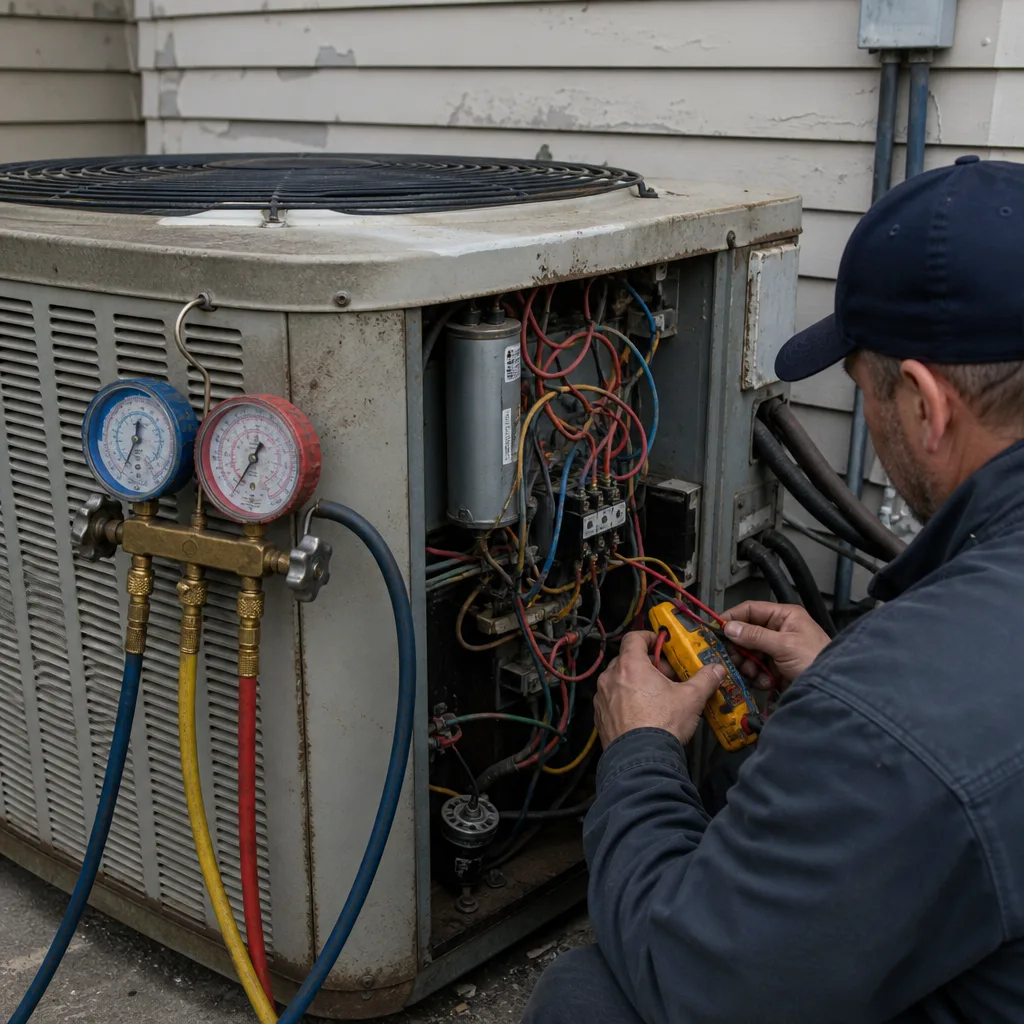 Before
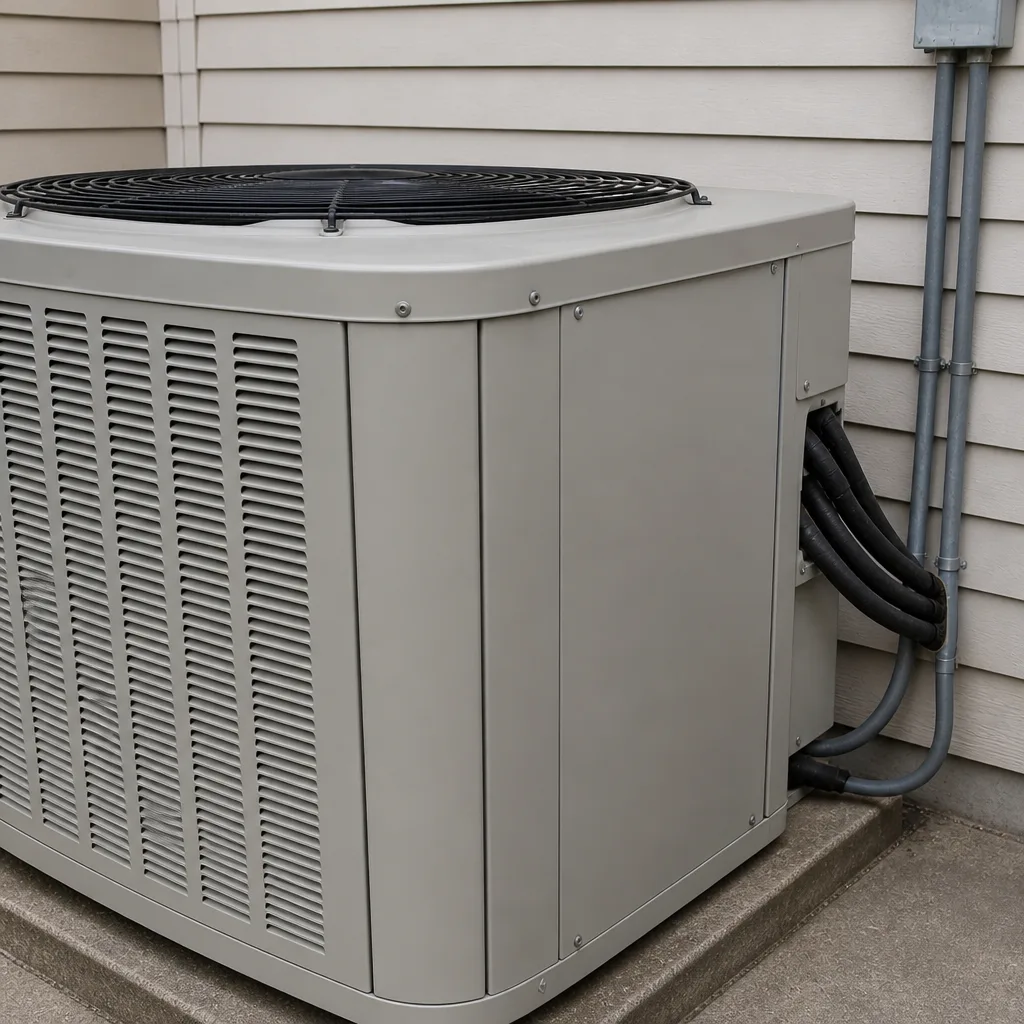 After
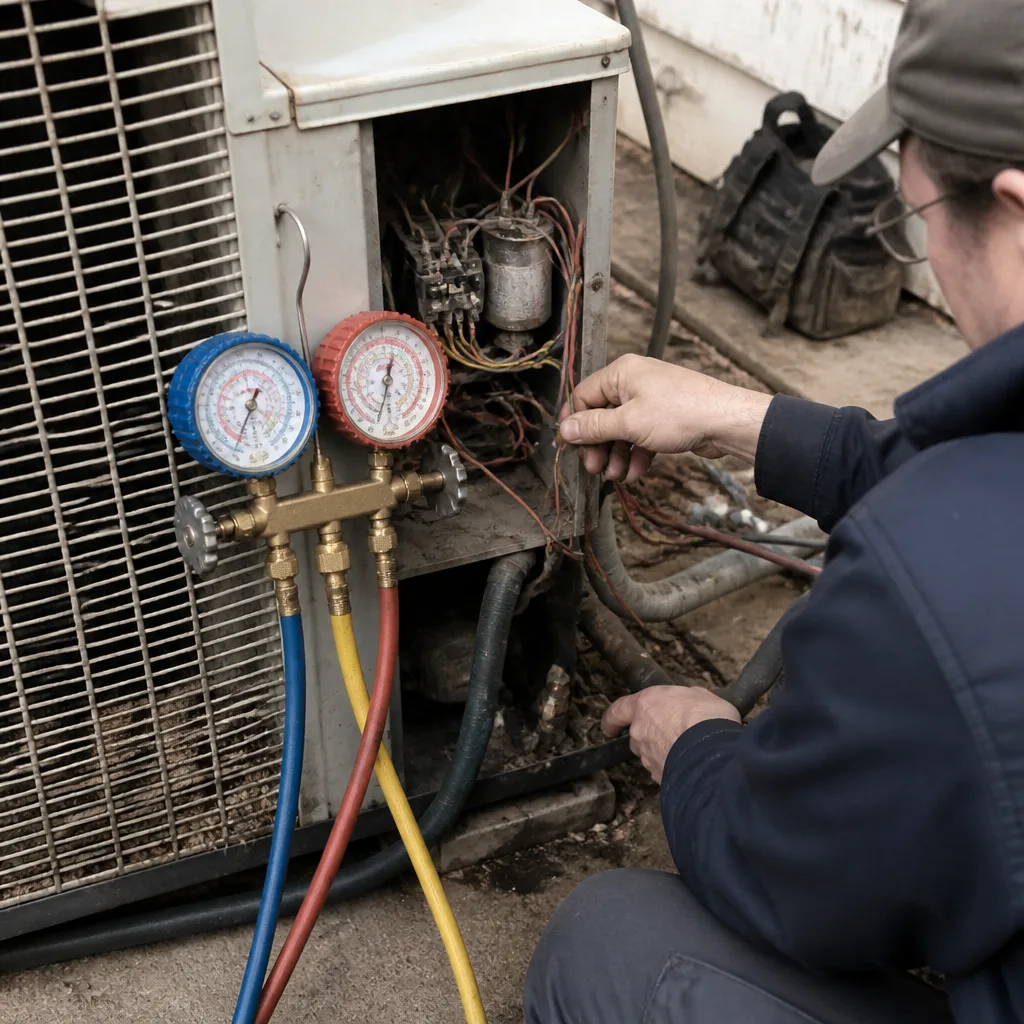 Before
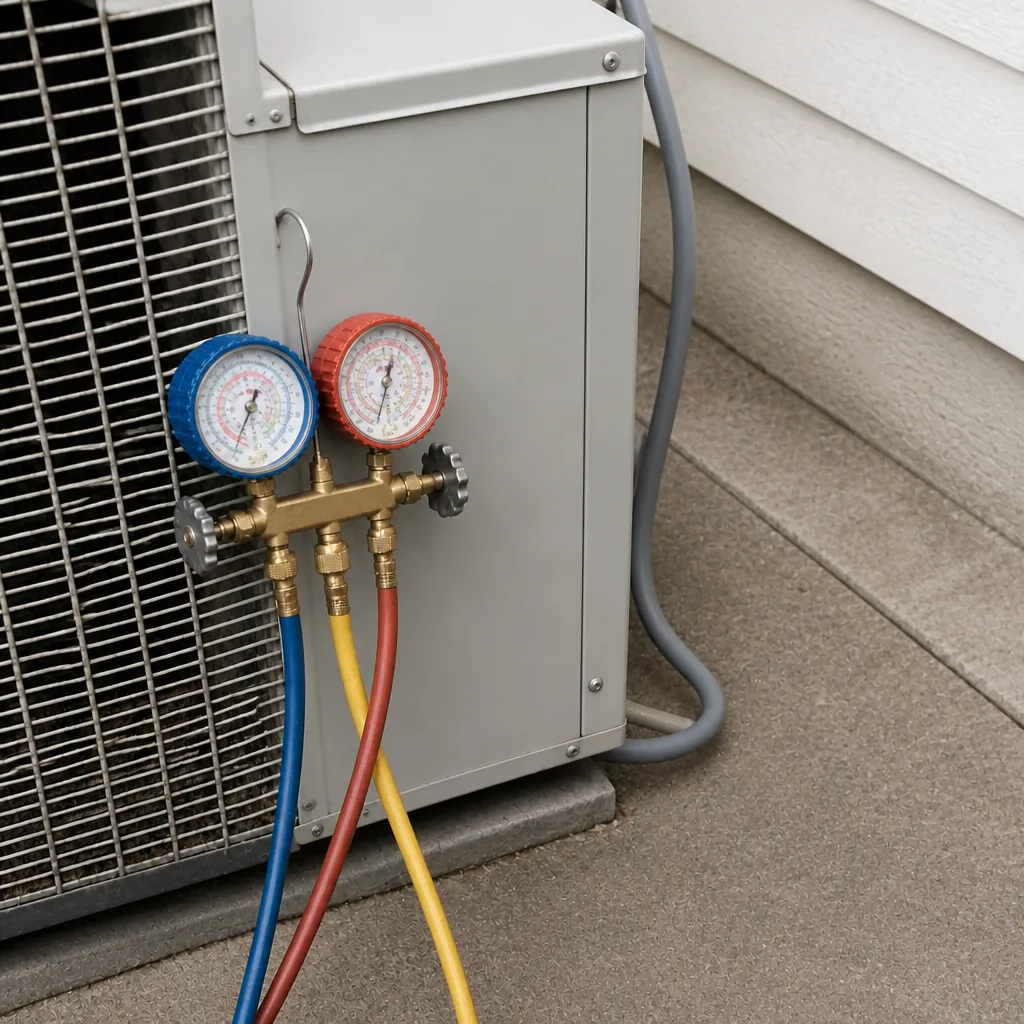 After
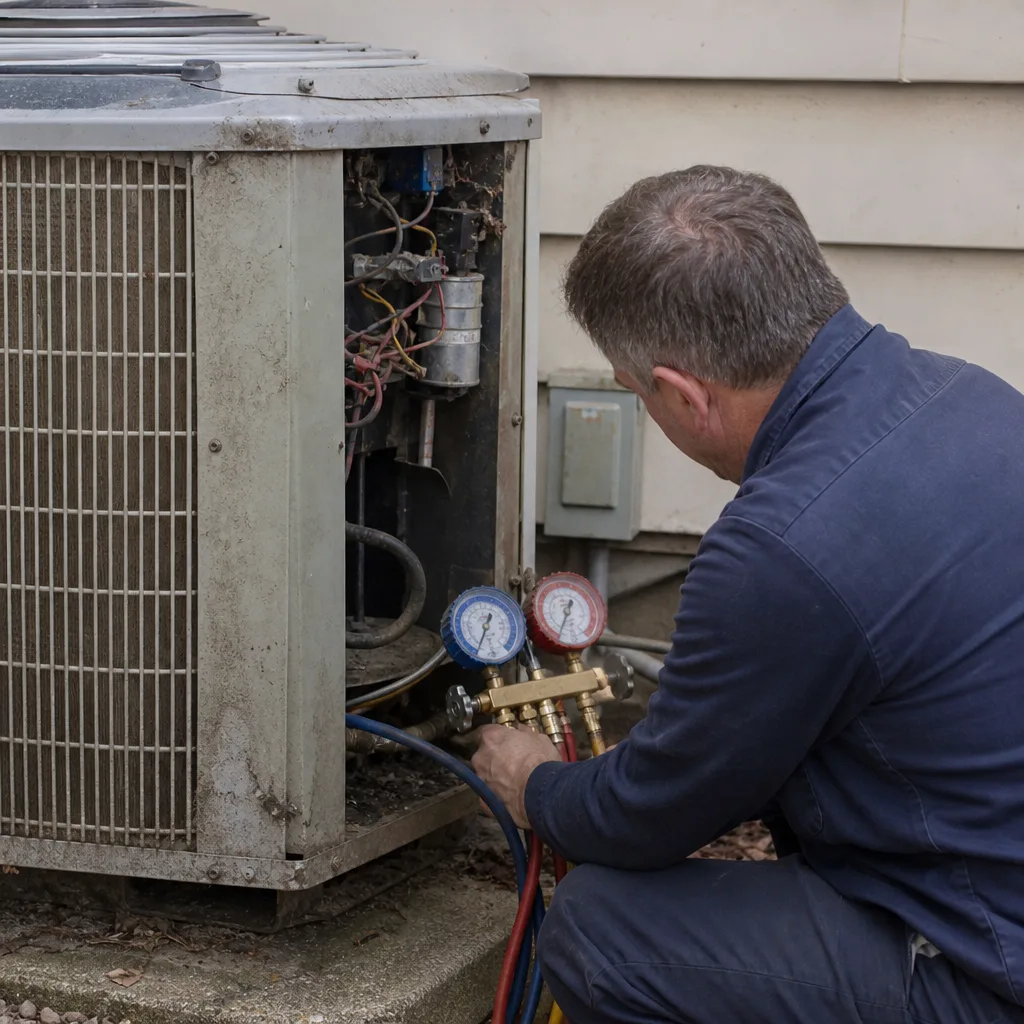 Before
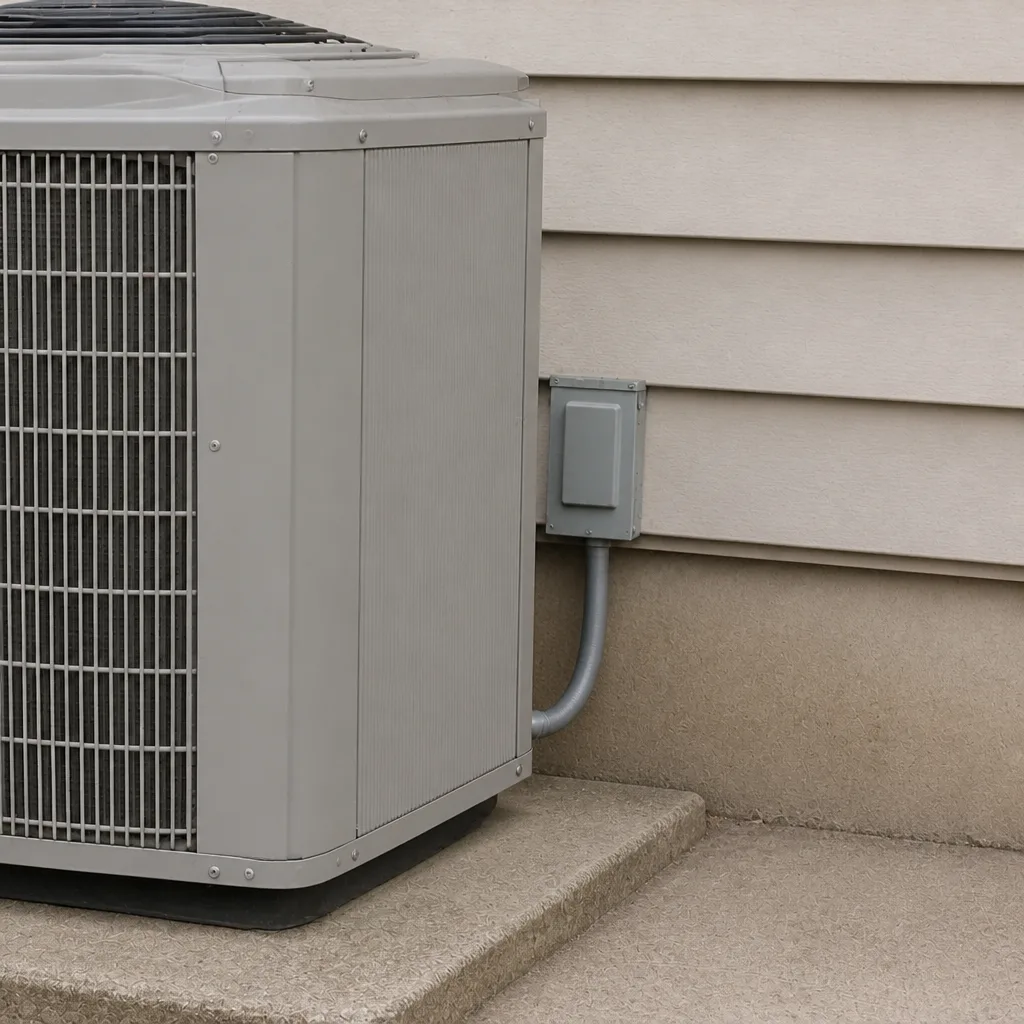 After
Frequently Asked Questions
You can’t confirm a correct charge from the manifold gauge alone in West Jordan, because altitude shifts the target pressures. The real test is superheat and subcooling measured and written down at startup. If that wasn’t recorded, ask for a re-check. Call (833) 946-8705 for a free estimate on a verification visit.
Short cycling on a new install usually points to an oversized unit, not a defective machine. The unit satisfies the thermostat’s reading quickly but doesn’t run long enough to cool or dehumidify the house. Confirm with a load calculation before assuming warranty coverage. Call (833) 946-8705 and we’ll walk you through what the symptoms mean.
Your installer should have verified line voltage under load and running amps on the compressor and condenser fan, both compared to the nameplate rating, at the disconnect box. The circuit size and wire gauge should match the unit’s minimum circuit ampacity. If none of that appears on a commissioning sheet, it likely wasn’t checked. Call (833) 946-8705 for a free estimate on a proper electrical verification.
High static pressure on a new install usually means the old duct system is too restrictive for the new unit’s airflow. The blower has to push harder than the ducts allow, which drops airflow and trips the fault. It’s a duct sizing problem, not an equipment failure. Call (833) 946-8705 for a free estimate on static pressure testing.
Usually not, because manufacturer warranties cover equipment defects, not workmanship. Installation errors typically fall on the installer, which is why a written commissioning report and dated service requests matter. A qualified specialist can document the defect in writing so your claim holds up. Call (833) 946-8705 for a free estimate on an independent assessment.
Raising blower speed is not a fix for undersized ducts. It can mask the symptom, push a duct loose, or overheat a component, so a proper static pressure test needs to happen first. Correcting the ducts gets you airflow that matches the new unit. Call (833) 946-8705 for a free estimate on a static pressure evaluation.
The Bottom Line
Most AC installation problems in West Jordan come down to three things: a refrigerant charge that wasn’t adjusted for our elevation, an electrical circuit that was never verified under load, and ductwork that can’t handle the new unit’s airflow. Each has a distinct symptom, and knowing which one you’re facing saves you from chasing the wrong fix. Ask for the commissioning report, watch the first week’s behavior, and get an independent reading if the numbers don’t line up. Our team works on Carrier, Trane, Lennox, Goodman, Rheem, York, Daikin, Bryant, and American Standard, and we’ll give you the honest answer on repair versus replace.
Contact Us
AC Repair West Jordan is staffed by a heating and cooling specialist team that covers the full lifecycle, from new system installation through furnace repair and replacement. We can put a trained technician on a free estimate at your home. For that, call (833) 946-8705. We answer 24/7. Fast dispatch from 7am to 7pm, Sunday through Friday. Estimates are free, and the written estimate sets the price on the job.
Written by the team at AC Repair West Jordan.