
Last updated November 15, 2026
 AC repair
 Furnace & heating
 Heat pumps
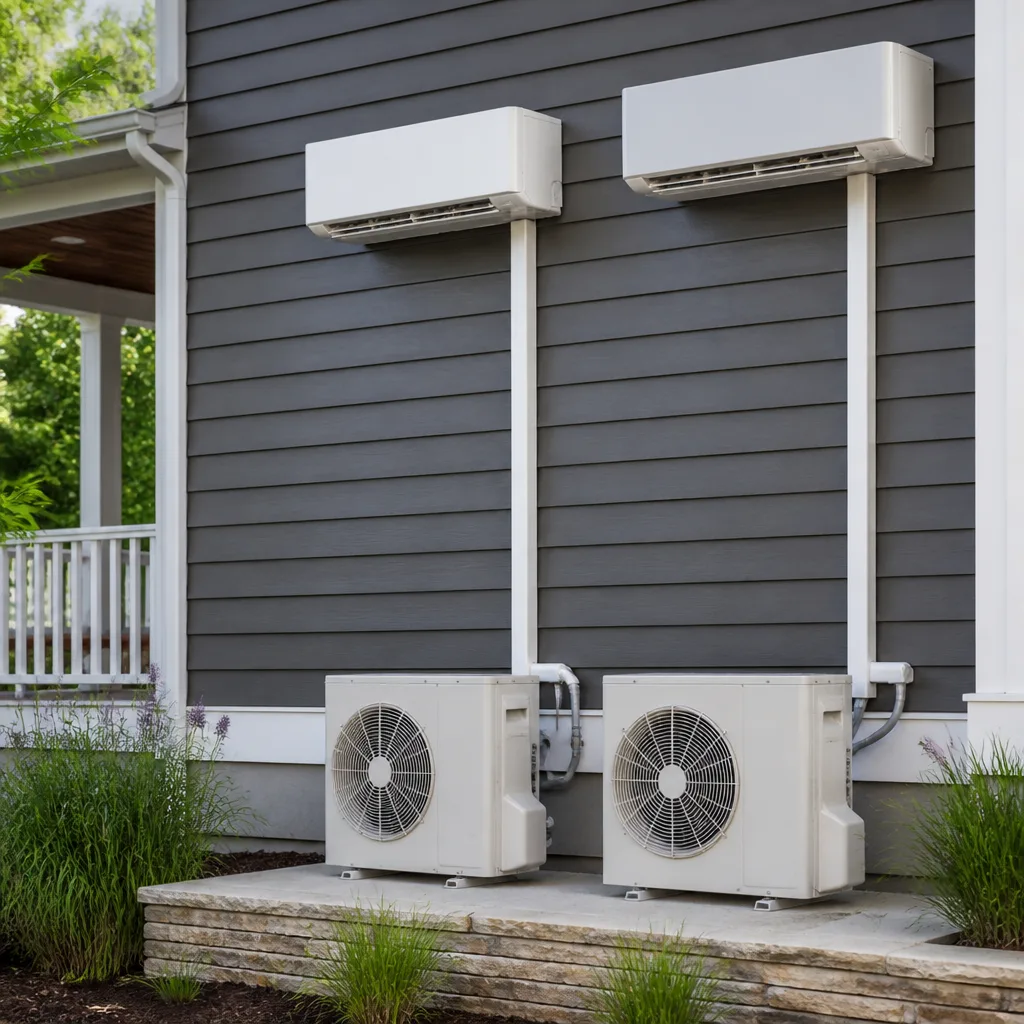 Ductless mini splits
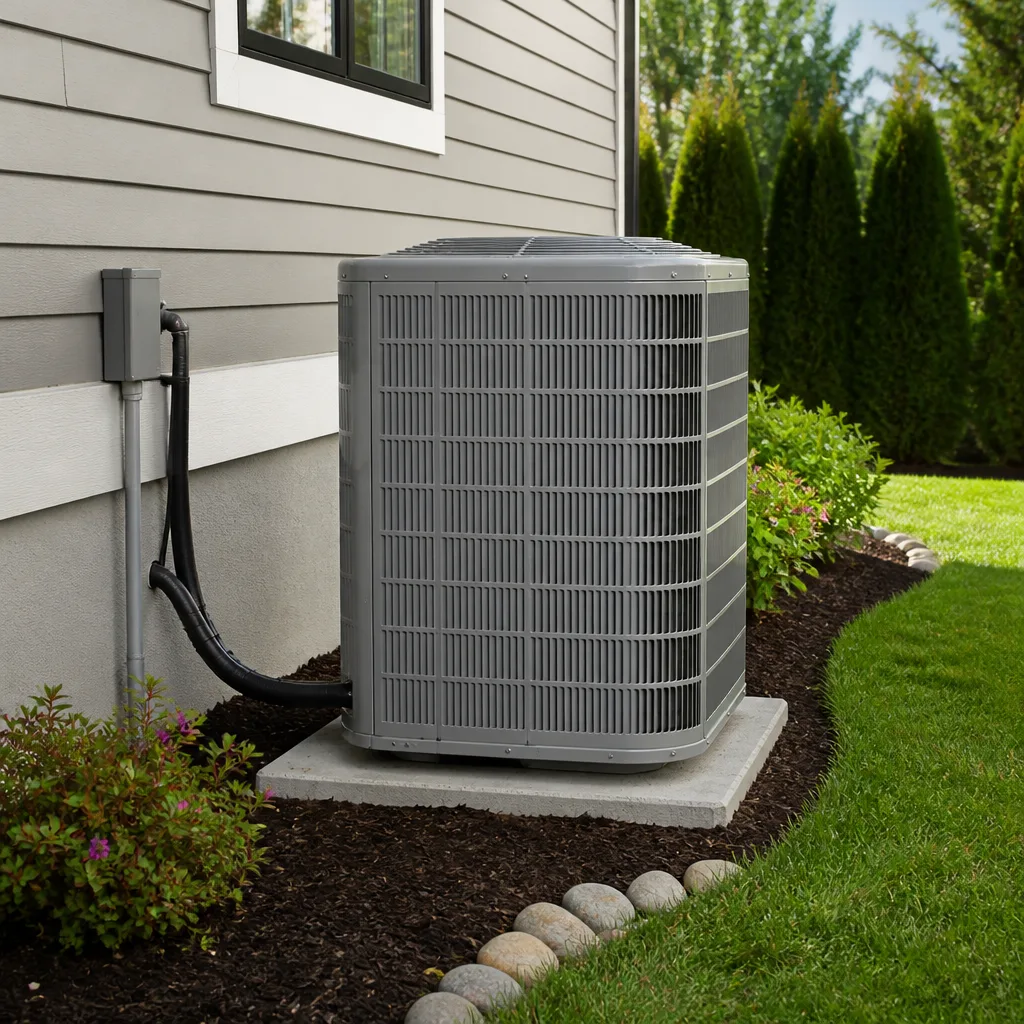 Carrier
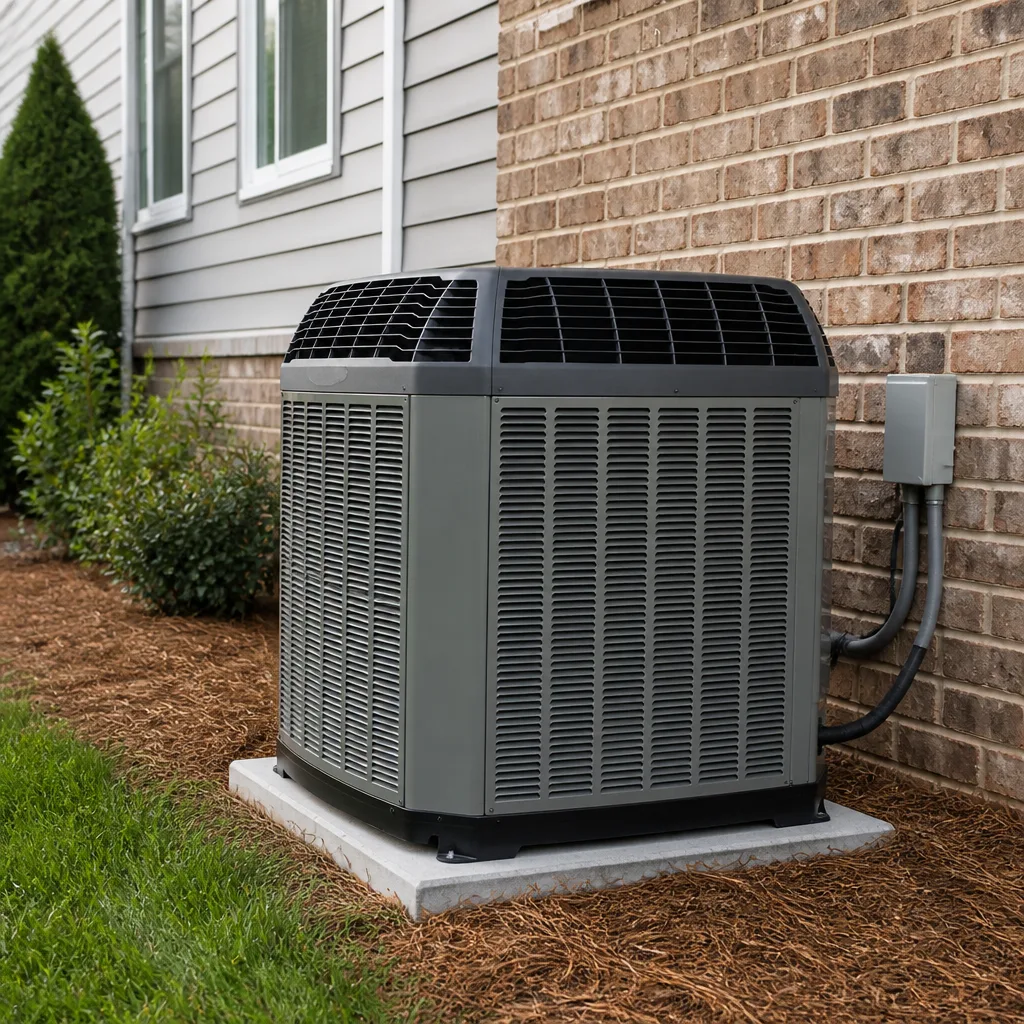 Trane
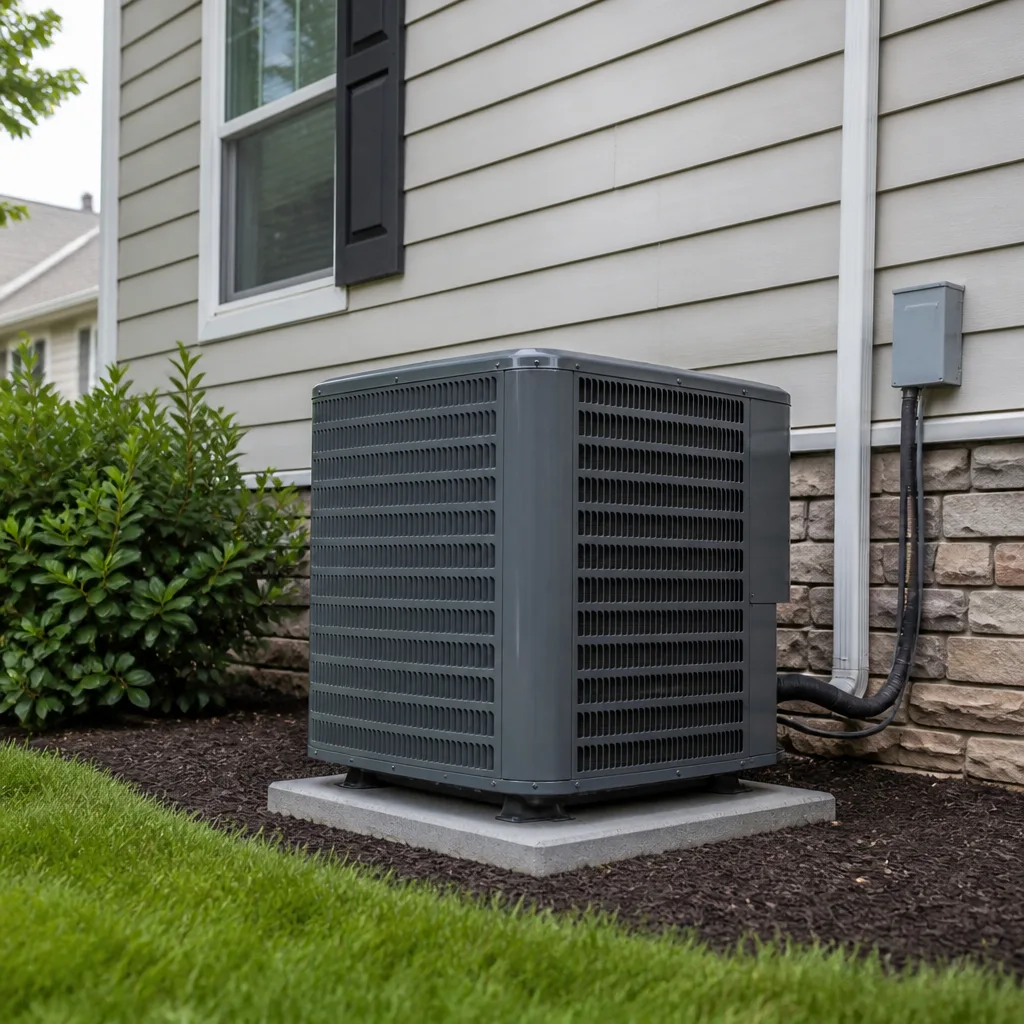 Goodman
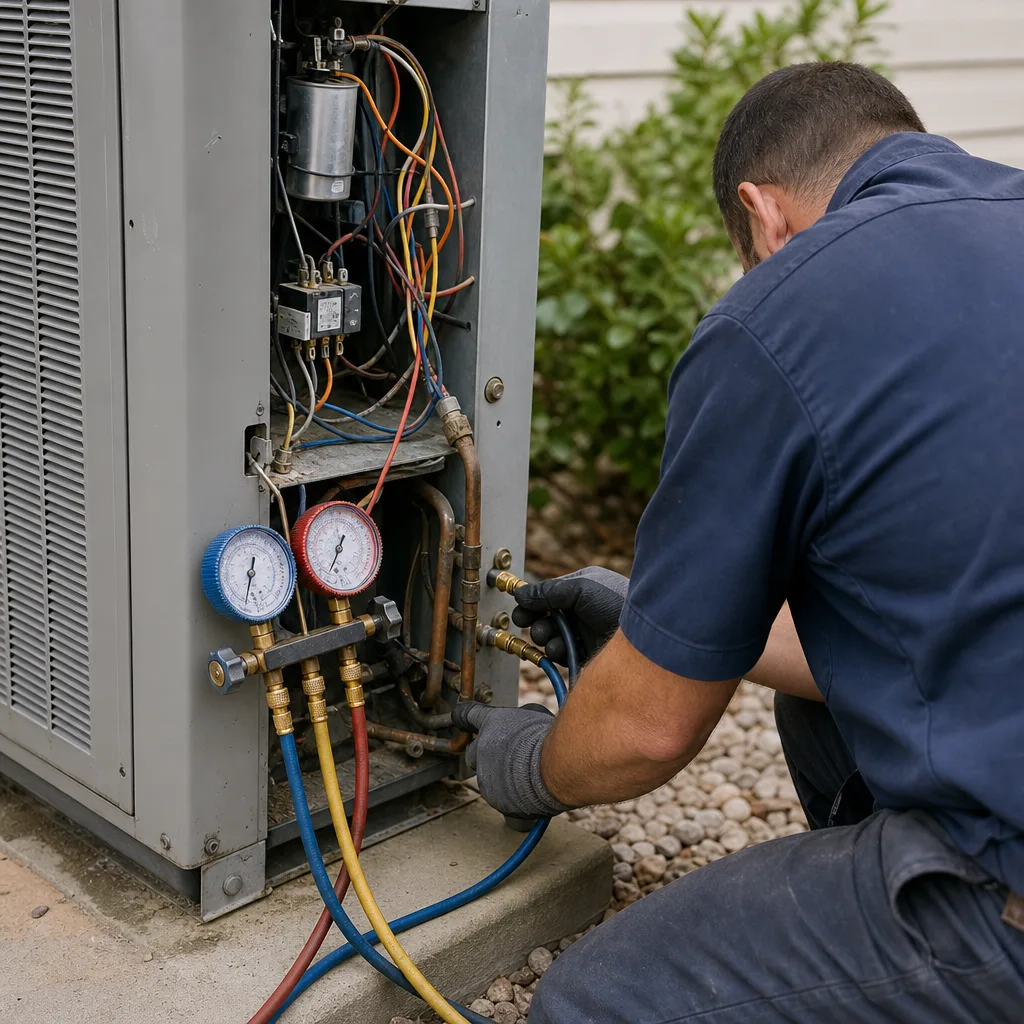
Seasonal tune-up and full diagnostic on your Carrier, Trane, or Goodman system - readings shown to you before any repair is proposed
Diagnosis first, numbers second - you approve the repair price before a single part goes in.
Get your free estimateChoosing the Right HVAC Brand: A Buyer’s Guide for West Jordan
Online brand debates in HVAC look a lot like a Ford versus Chevy argument: passionate, tribal, and almost entirely irrelevant to the decision you’re actually making. Here’s the part most buyers don’t hear until after installation: at the same efficiency tier, units from the major manufacturers perform similarly. What separates them is warranty language, how fast parts reach the Salt Lake Valley, and how deep your technician’s certification goes with that specific nameplate. This guide gives West Jordan homeowners a brand-agnostic framework, built around our desert climate and the realities of owning a system for years, so you can evaluate any recommendation you get.
Quick Answer
The “best” HVAC brand in West Jordan is the one your installer is genuinely certified to service, whose parts are stocked in the Salt Lake Valley, and whose warranty terms survive long-term ownership. Efficiency ratings and compressor warranties shift between price tiers; brand prestige doesn’t. Choose the tier you can afford, then choose the contractor who knows that brand cold.
Styles & brands we work with
- AC repair
- Furnace & heating
- Heat pumps
- Ductless mini splits
- Carrier
- Trane
- Goodman
Table of Contents
- The Tier-Based Brand Map: Premium, Mid-Range, Value
- Why Local Parts Availability Beats National Rankings
- How to Evaluate a Contractor’s Brand Recommendation
- The 2026 Refrigerant Transition and Your Next System
- When Brand Genuinely Doesn’t Matter
- When Brand Actually Matters
- Matching Equipment to a West Jordan Home
- Questions to Ask Before You Sign
The Tier-Based Brand Map: Premium, Mid-Range, Value
Buyers ask us for a national brand ranking. There isn’t an honest one, because every major manufacturer builds equipment across multiple tiers. A “value” brand’s top line can outperform a premium brand’s entry line. What actually changes as you move up a tier is measurable: efficiency ratings, sound levels, compressor warranty length, and the quality of the control board.
Here’s how the equipment generally sorts out. The names below are examples, not endorsements. We service all of them and recommend none by default.
Premium tier. Brands like Trane and Lennox sit here, along with Carrier in many lines. You’re paying for variable-speed compressors, tighter build tolerances, lower decibel ratings, and longer parts warranties on the compressor. These units earn their price in quiet operation and efficiency stability during a long cooling season, which matters in West Jordan, where July afternoons push the equipment hard.
Mid-range tier. Bryant and American Standard are the customary examples, though both offer premium lines too. Two-stage compressors and solid control boards are standard here. This is where most homeowners land, and for good reason: the performance gap to premium is smaller than the price gap.
Value tier. Goodman, Rheem, and York live here, with Daikin in a similar space. Single-stage equipment, shorter factory warranties on some components, but the same basic components that cool a house. A well-installed value-tier system with a competent technician behind it beats a premium system slapped in without a load calculation.
What Moves Between Tiers and What Doesn’t
- Moves: compressor staging, sound insulation, cabinet thickness, factory warranty length, smart thermostat compatibility.
- Doesn’t move: the physics of heat transfer, the need for a proper load calculation, the importance of a correctly sized refrigerant line set, and the value of a technician who knows the equipment.
The practical takeaway: pick the tier, not the badge. A mid-range two-stage unit sized and installed correctly will outperform a premium single-stage unit every summer in West Jordan. If your quiet operation matters in a bedroom-adjacent closet, step up a tier. If your system sits at the end of the house where you never hear it, save the money and put it toward a better install.
Why Local Parts Availability Beats National Rankings
Here’s the question that matters more than any online ranking: when your system breaks in August, how fast can the right part reach your house? The answer depends on distributor presence in the Salt Lake Valley, not on the brand’s marketing budget. No single manufacturer has a parts monopoly here. What differs is how many local distributors stock which components, and how quickly a given nameplate can get a compressor or control board installed rather than replaced.
How Parts Availability Works in Practice
- Manufacturer’s authorized distributor network. Each brand contracts with regional distributors. The denser that network, the more likely a part is on a shelf within an hour of West Jordan rather than a warehouse order.
- Common components versus proprietary ones. Motors, capacitors, contactors, and most thermostats are cross-compatible or widely stocked. Compressors, control boards, and inverter modules are brand-specific and often the bottleneck.
- Repair versus replace math. By year seven, a mid-range system’s compressor or control board can approach a third of replacement cost. That’s when parts availability stops being an abstraction. A well-stocked brand means a repair; a poorly stocked one can mean a week without cooling.
We’ve seen this play out across West Jordan neighborhoods, from homes near the Jordan River where older systems skew toward single-stage equipment, to newer subdivisions where high-efficiency systems are common and their specific control boards are harder to source. The brand with the deepest valley parts chain isn’t the same brand every year, which is one reason we don’t bind ourselves to a single manufacturer. When we need a part, we call the distributors that stock it, not the ones that pay us to push their nameplate.
If your system is failing and you’re weighing options, our AC Repair West Jordan page covers what a repair visit looks like. But before you accept any brand recommendation, ask the distributor question: how many local parts houses stock this brand’s control boards and compressors? If the answer is vague, that tells you something.
How to Evaluate a Contractor’s Brand Recommendation
Any contractor can sell you a brand. Not every contractor is authorized to perform warranty service on it. That distinction decides who subsidizes a compressor failure in year five and who bills you. Here’s how to separate a certified dealer from a technician with a supplier account.
Factory Authorization Versus a Supplier Account
A supplier account means the contractor can buy the equipment. A factory authorization, sometimes called a certified dealer or factory-authorized service provider status, means the manufacturer has vetted the contractor’s training and can support warranty claims and technical support directly. Warranty parts might be covered either way, but warranty labor coverage and access to factory technical support often depend on authorization.
Five Questions That Reveal the Difference
- “Are you factory authorized for this brand, or just a purchaser?” Ask for specificity. “We sell it” isn’t the answer you want.
- “What training have your technicians completed on this equipment?” Brand-specific training is real; look for it.
- “Will you handle the warranty claim on my behalf, or will I?” A certified dealer stands behind the paperwork.
- “What’s your parts ordering process when a control board fails?” The answer should name local distributors and typical wait times.
- “Will you show me the load calculation before recommending equipment?” A brand recommendation without sizing is a sales guess.
We service Carrier, Trane, Lennox, Goodman, Rheem, York, Daikin, Bryant, and American Standard. Because we aren’t tied to one manufacturer, the recommendation comes from the home, not from a dealer incentive. That’s the whole point of a brand-agnostic approach: no pressure to push the nameplate sitting in the warehouse.
For homes with older systems, our furnace repair team asks the same questions on the heating side, and the answers are usually where replacement becomes the honest recommendation.
The 2026 Refrigerant Transition and Your Next System
If you’re buying a system in 2026, the refrigerant question is no longer academic. R-410A is being phased down under the AIM Act, and manufacturers are shifting to lower-global-warming-potential refrigerants: R-454B and R-32 are the prominent replacements. The transition affects new equipment availability, service parts, and how long your system’s refrigerant will be easy to source.
What You Need to Know Before You Buy
- New equipment is transitioning. Many 2026 systems ship with R-454B or R-32; some lines may still be available with R-410A depending on inventory. Ask which refrigerant the quoted system uses before you sign.
- Refrigerant types are not interchangeable. A system’s refrigerant is fixed at manufacture. You cannot convert a new system later, short of major component work.
- Service availability differs by refrigerant. As R-410A winds down, its supply becomes less certain over a ten-year ownership window. Newer refrigerants will have the manufacturer support behind them.
- Comfort and efficiency are separate from refrigerant. Both R-454B and R-32 can pair with high-efficiency equipment. Pick the refrigerant and the tier together.
For West Jordan buyers, this points to a straightforward practice: confirm the refrigerant class on any quote, and confirm the equipment’s refrigerant is one with long-term manufacturer support. A system chosen in 2026 should still be serviceable in 2036. In the desert, a system without refrigerant is just a fan in a cabinet. Our ac installation process includes refrigerant documentation in the install record so the next technician, whoever it is, knows exactly what they’re working with.
When Brand Genuinely Doesn’t Matter
Plenty of homeowners overthink brand. In several common situations, the badge on the equipment barely moves the outcome. Recognize which side of the line you’re on before you spend premium money on a name.
- Short-horizon owners. If you’re selling the house within five years, the warranty length and compressor design that justify a premium tier rarely pay you back. A correctly installed mid-range system serves a buyer just as well.
- Moderate-load homes. A well-insulated West Jordan home with a properly sized system isn’t stressing the equipment. The value-tier and premium-tier units both handle the load; the higher tier just does it in a quieter package.
- Budget-limited installs. Every dollar spent on a premium nameplate is a dollar not spent on a load calculation, duct sealing, or a manual damper adjustment where they matter more.
- Rented or temporary occupancy. When the system just needs to run reliably for a defined period, a solid value-tier system with a good warranty handler is the sensible choice.
What still matters in all of these cases: correct sizing, a clean install, and a technician who can service the nameplate. Brand choice is a preference; brand-agnostic service capability is a requirement. Our West Jordan guide covers the local climate pressures these systems face.
When Brand Actually Matters
Sometimes brand selection has real consequences. The following scenarios are where a specific nameplate earns its premium, or where the wrong choice costs you later.
Long-Term Ownership
If you intend to stay in the home ten years or more, the warranty terms and the parts-availability calculus swing toward specific brands. This is where the distinctions sit. American Standard’s warranty language, for instance, tends to be specific about what’s covered on compressors, which matters when a compressor failure would otherwise be a five-figure surprise. Read the written warranty on the equipment you’re quoted, not a summary from the salesperson.
Extreme-Climate Application
Salt Lake Valley summers are long and hot. A premium variable-speed compressor in West Jordan isn’t a luxury in a home where the equipment faces full southern exposure; it’s a durability choice. High-tolerance, factory-tested capacity matters in equipment that will run hard every July.
Specific Smart-Home Integration
If your home runs on a particular smart thermostat platform, some systems are certified for full communication beyond basic thermostat control. Daikin and Bryant equipment pair well with standard communicating thermostats, though the specific compatibility differs by model. Ask to see the compatibility documentation before you buy, and ask which smart-home integration the equipment actually supports.
Also: certain heat pump and high-efficiency models offer different capacity ranges by line, and brand selection determines those ranges. Check the model’s capacity range, not the brand name, when sizing for a home with unusual heating or cooling loads.
Matching Equipment to a West Jordan Home
Once you’ve chosen a tier and a nameplate, the install needs to match the home. This is where a brand-agnostic team earns its keep. The right equipment for a two-story home in a newer subdivision differs from what suits an older bungalow, and the load calculation decides which.
Step-by-Step: What a Correct Selection Process Looks Like
- Measure the load. A load calculation accounts for square footage, window area, insulation, and local design temperatures. This step takes an hour and prevents oversizing, which is common in West Jordan installations.
- Inventory the ductwork. Existing duct size and condition determine how much capacity the home can actually deliver. A premium system on undersized ducts underperforms.
- Match the tier to the household. Comfort priorities, sound concerns, and ownership horizon determine whether a value or premium system makes sense.
- Confirm refrigerant. Ask which refrigerant the equipment uses and check that service support will be available for the life of the system.
- Get a written fixed-price estimate. Every quote should be itemized, with the equipment model, efficiency rating, warranty terms, and install scope. HVAC work in West Jordan is sized and scheduled, so get the price in writing before anyone touches your system.
We’ve seen the consequences of skipping step one across West Jordan, from homes near Jordan Landing to older neighborhoods near the Utah Cultural Celebration Center. Mismatched equipment runs short, cycles hard, and ages faster.
Questions to Ask Before You Sign
Before you authorize any installation, run through these questions. Any hesitation from the contractor is information.
- “What refrigerant does this equipment use, and is it supported long term?”
- “What’s the compressor warranty, and are you an authorized service provider for it?”
- “Have you done a load calculation, and will you show me the result?”
- “How long does a control board typically take to arrive locally?”
- “Which parts houses in the Salt Lake Valley stock this equipment?”
- “Is the price fixed for the equipment and install as written?”
- “If my system needs service in five years, will your team know this nameplate?”
Our technicians have up to 13 years of experience, and we work on Carrier, Trane, Lennox, Goodman, Rheem, York, Daikin, Bryant, and American Standard. When your equipment carries one of those names, you don’t need to find a different technician.
Common Mistakes to Avoid
- Choosing a brand because a national ranking says so. Rankings don’t account for your home’s load, your local parts availability, or your contractor’s certification depth. Ask those questions instead.
- Skipping the load calculation. An oversized West Jordan system short-cycles, drains humidity control, and wears out faster. Insist on the calculation before equipment selection.
- Confusing a supplier account with factory authorization. A contractor who can buy the equipment isn’t necessarily authorized to service warranty claims on it. Ask which one applies.
- Ignoring refrigerant class. A 2026 purchase should account for the AIM Act transition. Picking equipment with a refrigerant losing support means problems later, when you don’t need them.
- Buying a premium tier without installation quality. A premium nameplate on a rushed install is worse than a mid-range system installed well. Put your money where performance actually comes from.
- Not reading the written warranty. Warranty terms differ significantly by line and by brand. The sales summary and the warranty document are not the same thing.
- Taking a recommendation from a contractor tied to a single brand. A recommendation that comes with a dealer incentive is still a recommendation, but you should know where it’s coming from.
See the difference
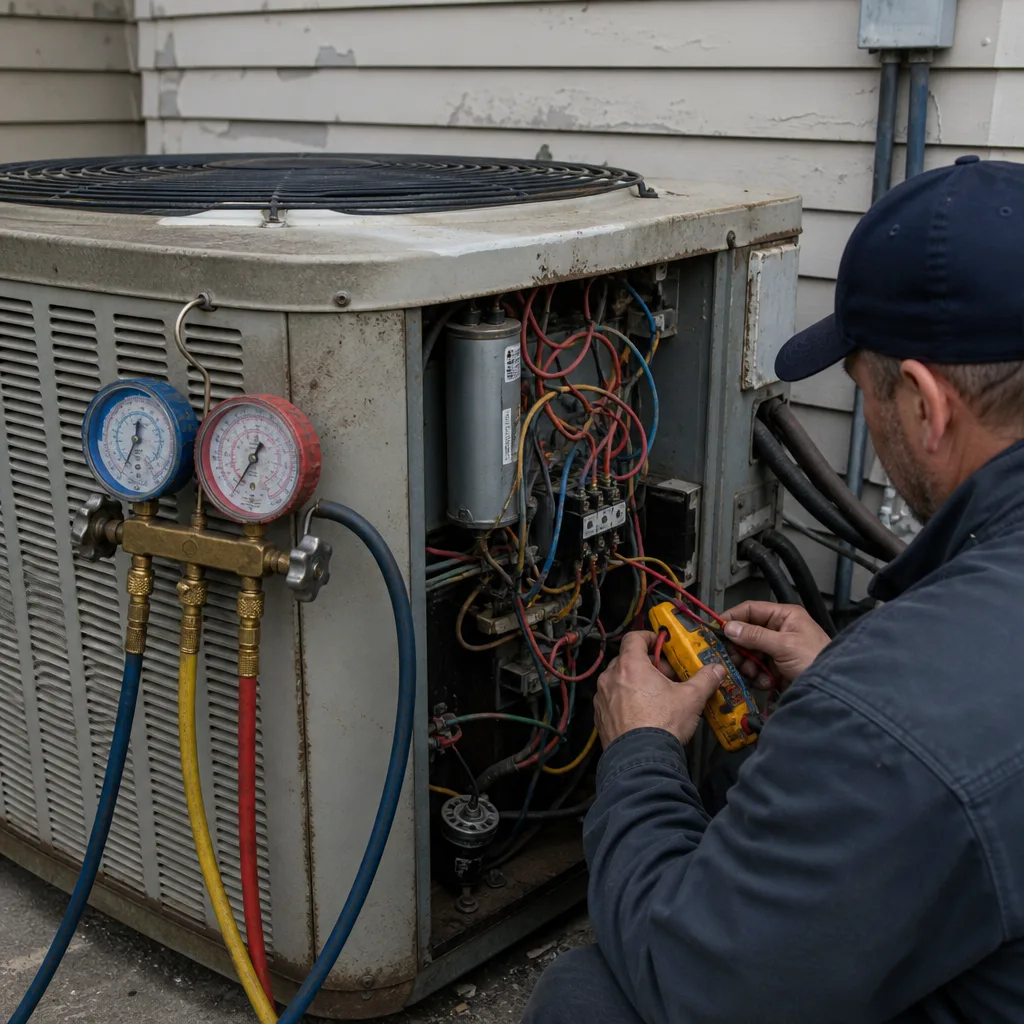 Before
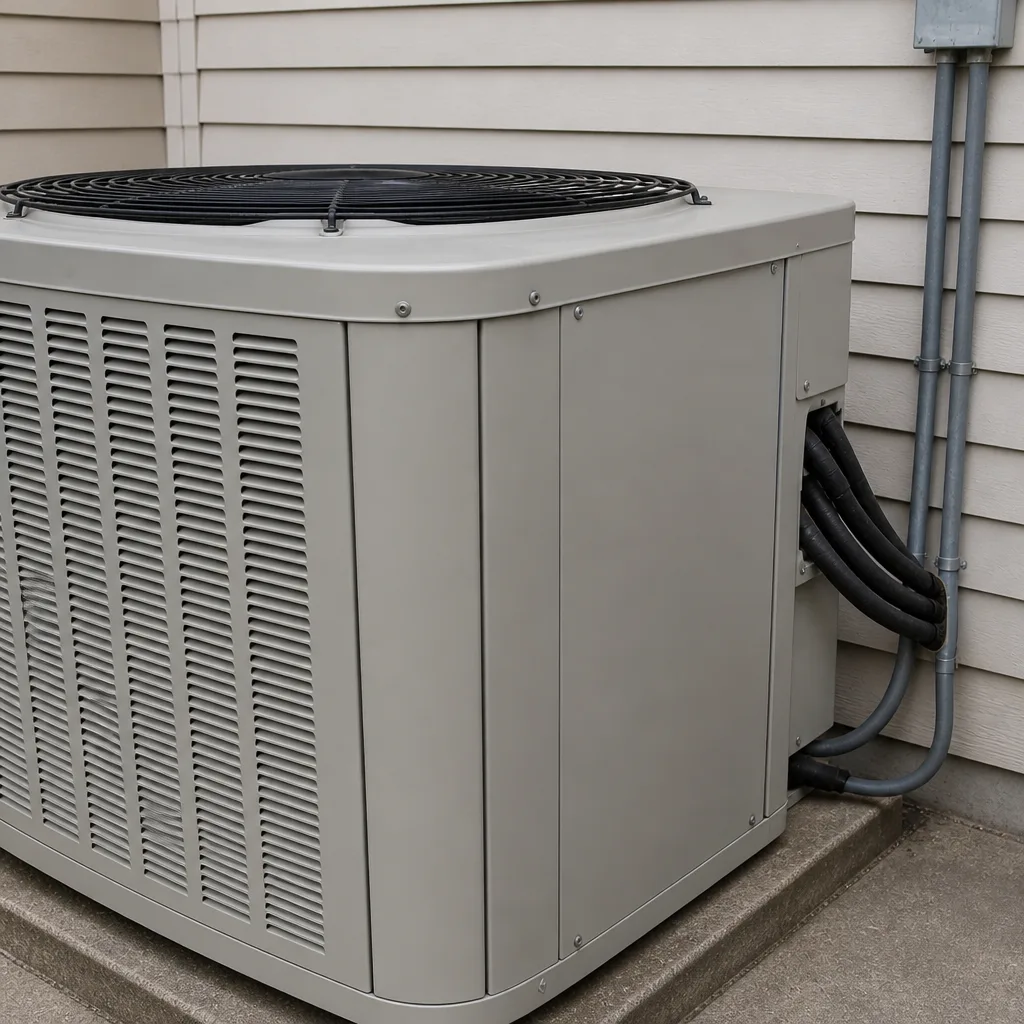 After
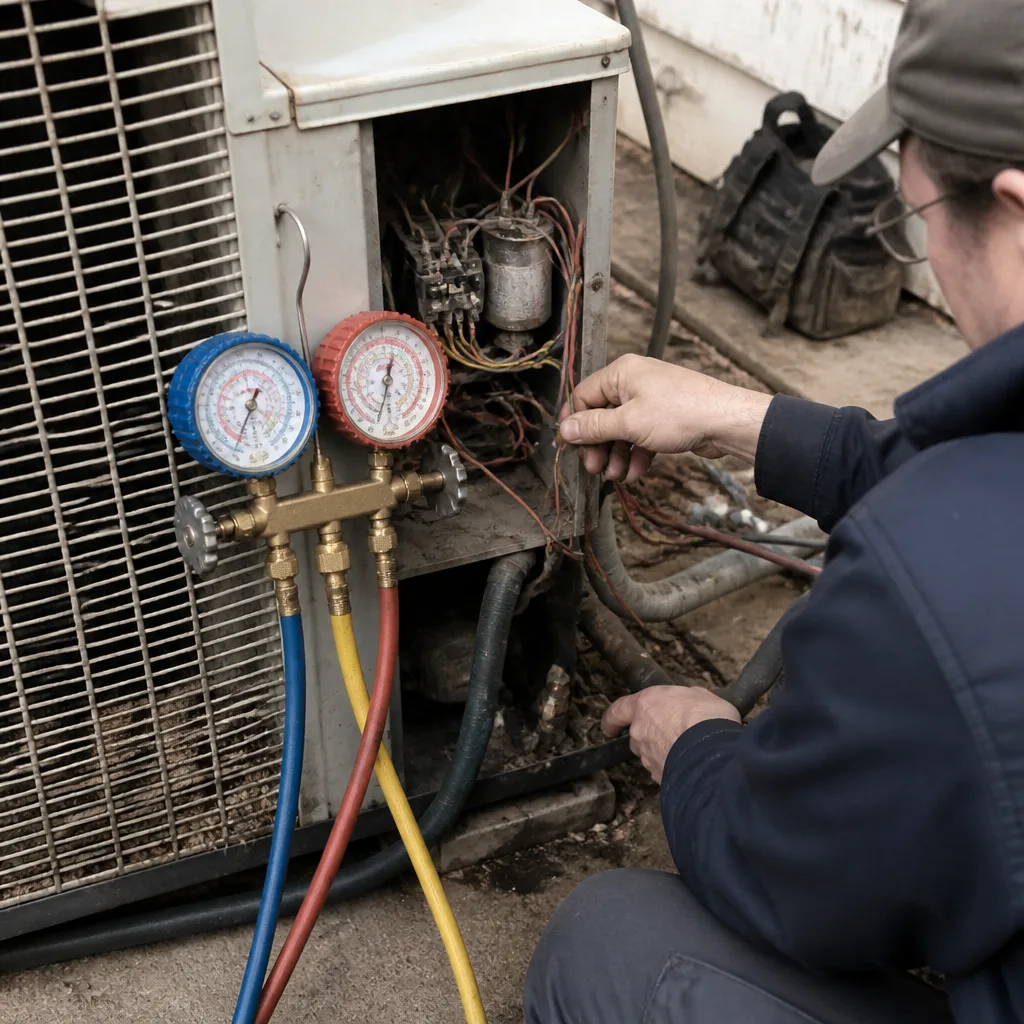 Before
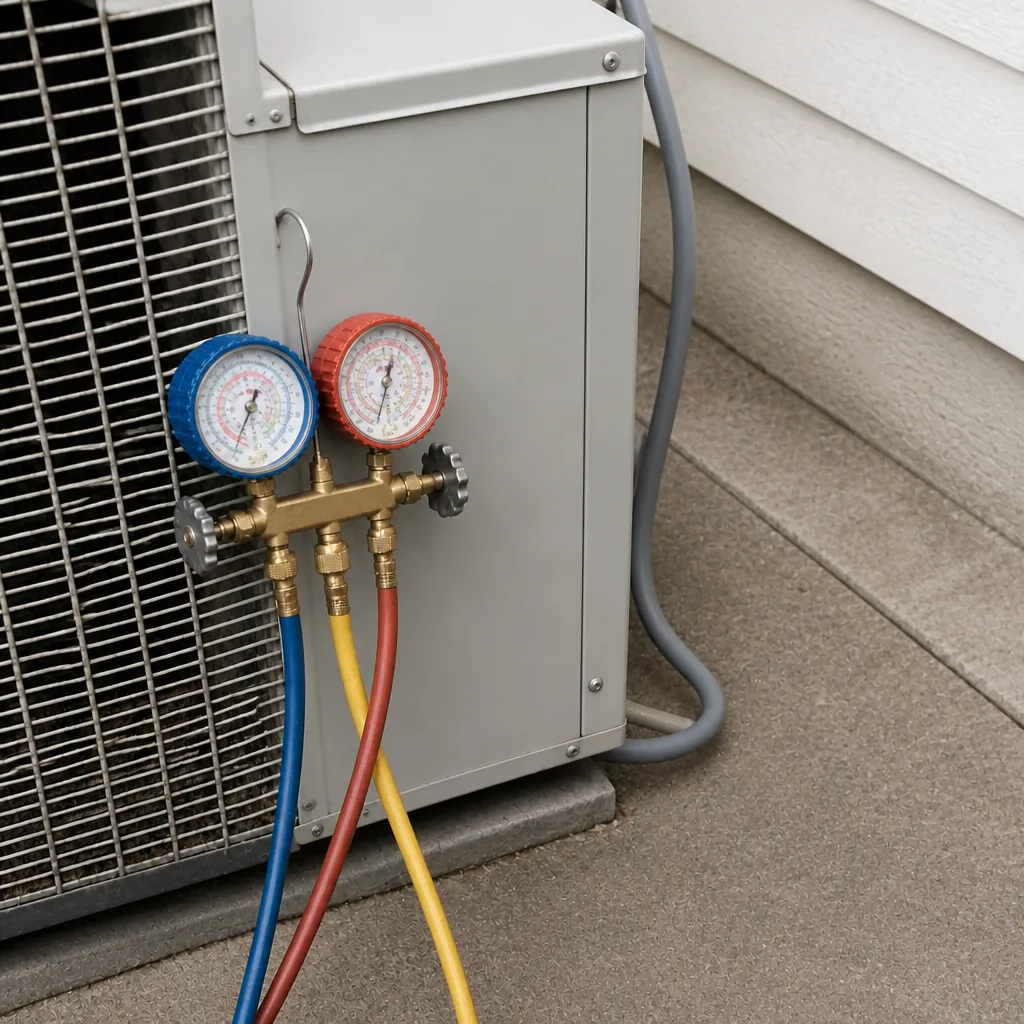 After
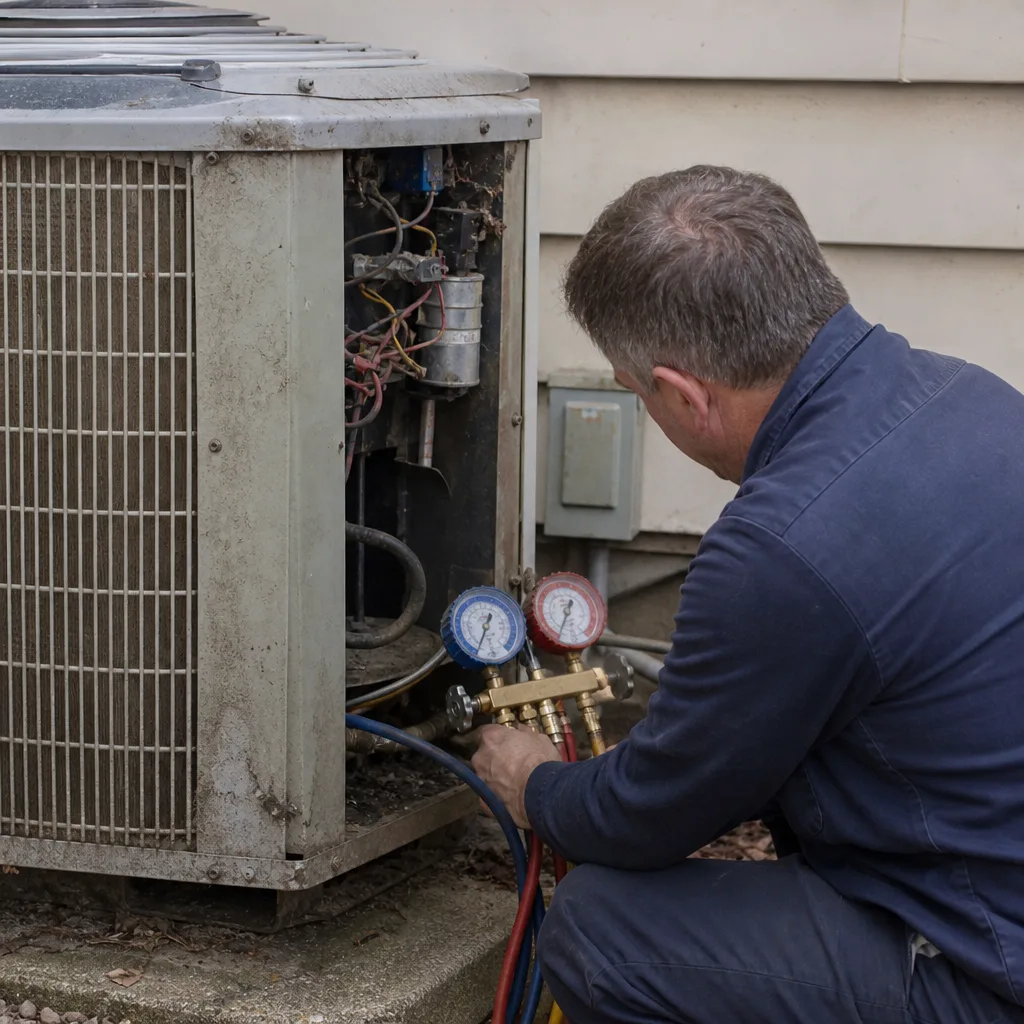 Before
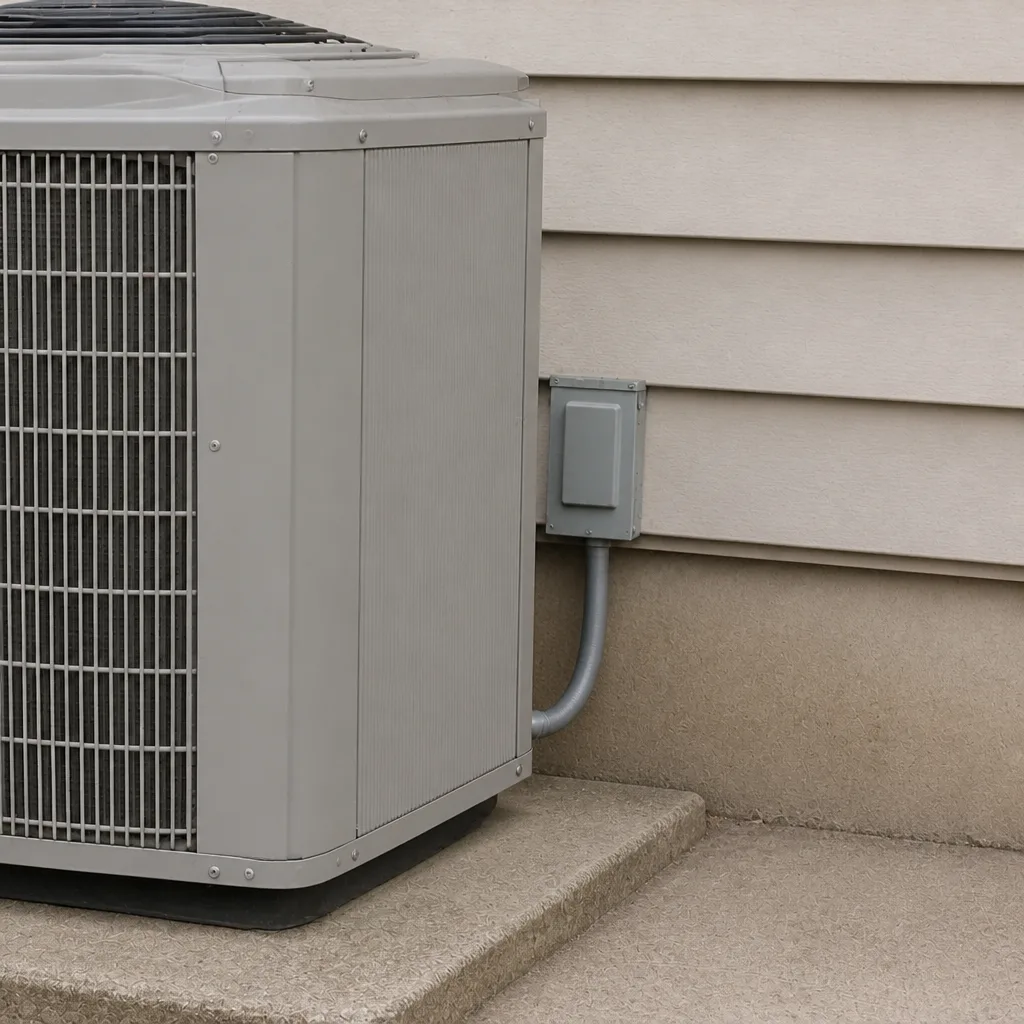 After
When to Call a Professional
Some evaluation is safe to do yourself. Comparing efficiency ratings, reading warranty documents, asking about refrigerant class: all of it belongs in your hands before you buy. But sizing, installation, and diagnosis of a failing system are professional work. Call when your system is short-cycling, when the quote you received didn’t include a load calculation, when you’re deciding between repair and replacement on a unit older than about ten years, or when you want an honest answer about whether the brand being recommended actually fits your home. AC Repair West Jordan offers free estimates in West Jordan, and our team will tell you plainly when repair beats replacement. Call (833) 946-8705. We answer 24/7. Fast dispatch from 7am to 7pm, Sunday through Friday.
Frequently Asked Questions
There isn’t a single best brand. The honest answer is that at the same efficiency tier, the major brands perform similarly. What separates them is warranty terms, how fast parts reach the Salt Lake Valley, and how well your contractor knows the equipment. Choose the tier, then choose the contractor who’s genuinely certified to service that brand. Call (833) 946-8705 for an exact quote, and we’ll walk through the options with you.
Sometimes. Long, hot West Jordan summers stress equipment, and a variable-speed premium unit in a home with heavy sun exposure can be worth the difference in durability and quiet operation. If you plan to sell within five years, the math usually points to a mid-range system installed well. Call (833) 946-8705 to talk through which applies to your home.
Yes, you should care. R-410A is being phased down under the AIM Act, and new equipment is moving to lower-impact refrigerants like R-454B and R-32. Refrigerants aren’t interchangeable after the fact, so confirm which refrigerant a quoted system uses and ask about long-term support before you buy. Call (833) 946-8705 for a quote that spells out the refrigerant class.
Ask directly. A supplier account means they can buy the equipment. Factory authorization means the manufacturer has vetted their training and warranty support. Ask which one applies, and ask how they handle warranty claims. An honest contractor answers this without hesitation. Call (833) 946-8705, and we’ll explain exactly how our brand relationships work.
It can. What matters after the warranty is how fast the specific parts, especially control boards and compressors, reach your home. Brands with deeper Salt Lake Valley distributor presence tend to have faster repair turnaround. Ask about local parts availability before you buy. Call (833) 946-8705 to talk through your specific equipment.
We work on Carrier, Trane, Lennox, Goodman, Rheem, York, Daikin, Bryant, and American Standard. Because we aren’t tied to a single manufacturer, our recommendations come from what your home needs, not from a dealer incentive. If your equipment carries one of those names, one specialist team covers both your heating and cooling. Call (833) 946-8705 for a free estimate.
The Bottom Line
Brand matters far less than the internet will tell you and far more than contractors locked to one nameplate will admit. Choose the tier: value, mid-range, or premium. Confirm the refrigerant class for 2026 and beyond. Confirm the contractor is genuinely authorized for the brand, not just able to buy it. Confirm the load calculation happened. Then get a written fixed-price estimate. In West Jordan, the honest separator between a system that lasts and one that doesn’t is rarely the name on the cabinet. It’s the sizing, the install, and who shows up when the system fails in July.
Contact Us
If you’re evaluating a brand recommendation or comparing quotes, call us. We’ll give you the honest read on your system, whether your equipment is a Carrier, Trane, Lennox, Goodman, Rheem, York, Daikin, Bryant, or American Standard, and whether repair or replacement makes sense for your home. One specialist team for your furnace and your AC, no juggling multiple contractors. Call (833) 946-8705 for a free estimate. We answer 24/7. Fast dispatch from 7am to 7pm, Sunday through Friday.
Written by the team at AC Repair West Jordan.