
Last updated November 15, 2026
 AC repair
 Furnace & heating
 Heat pumps
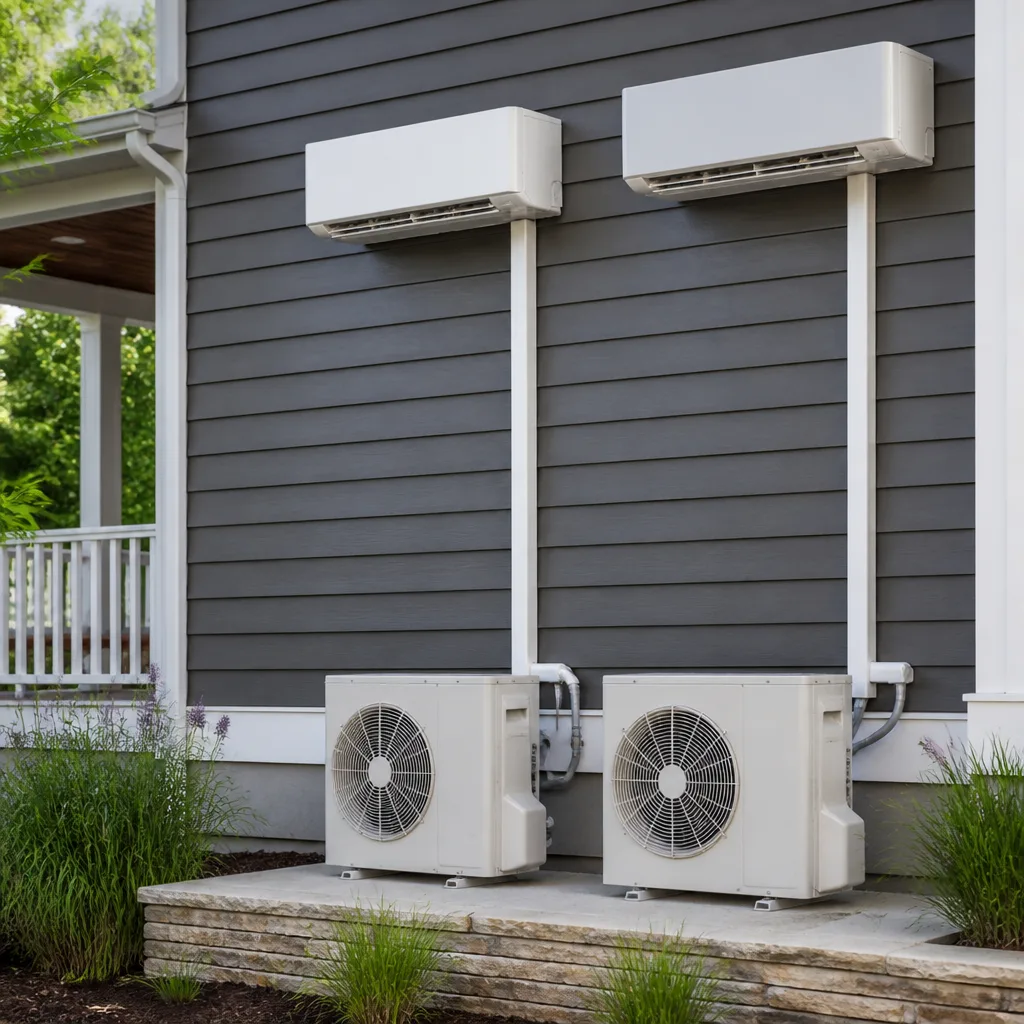 Ductless mini splits
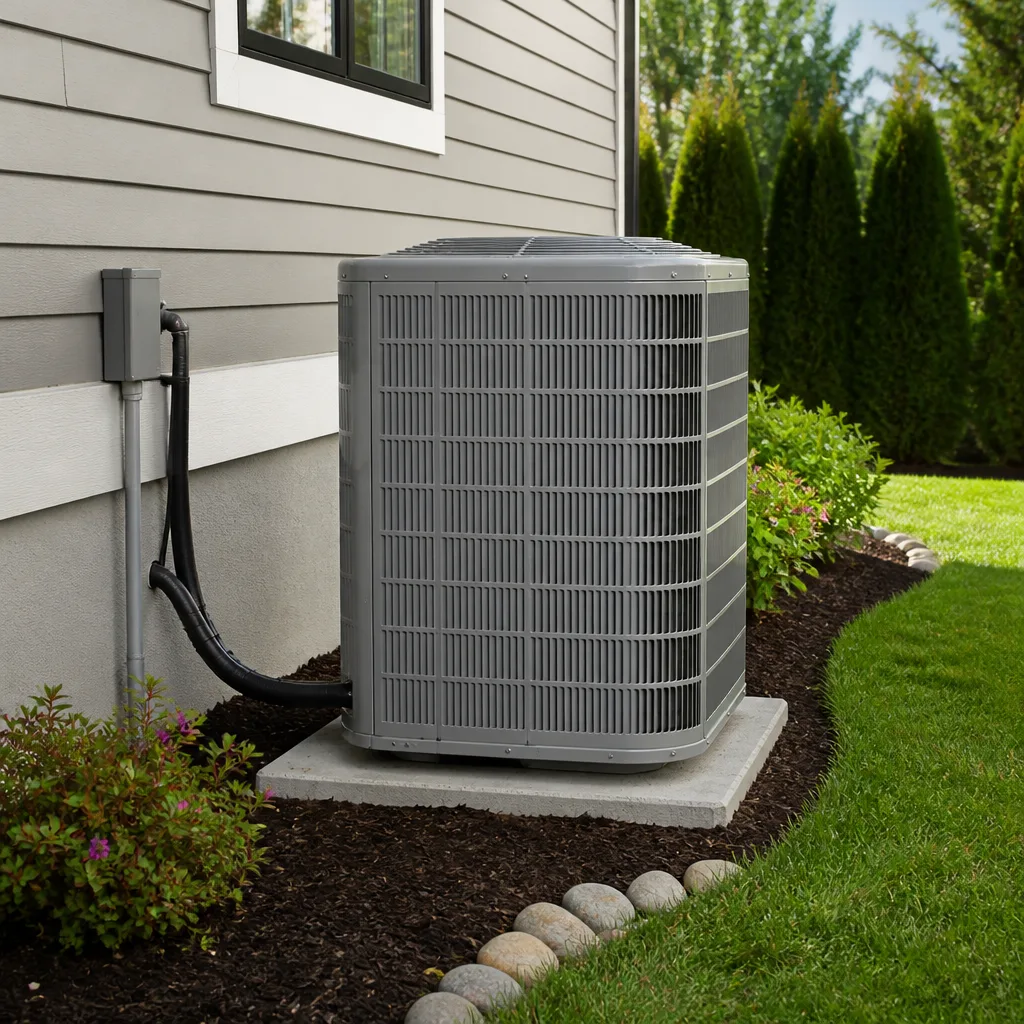 Carrier
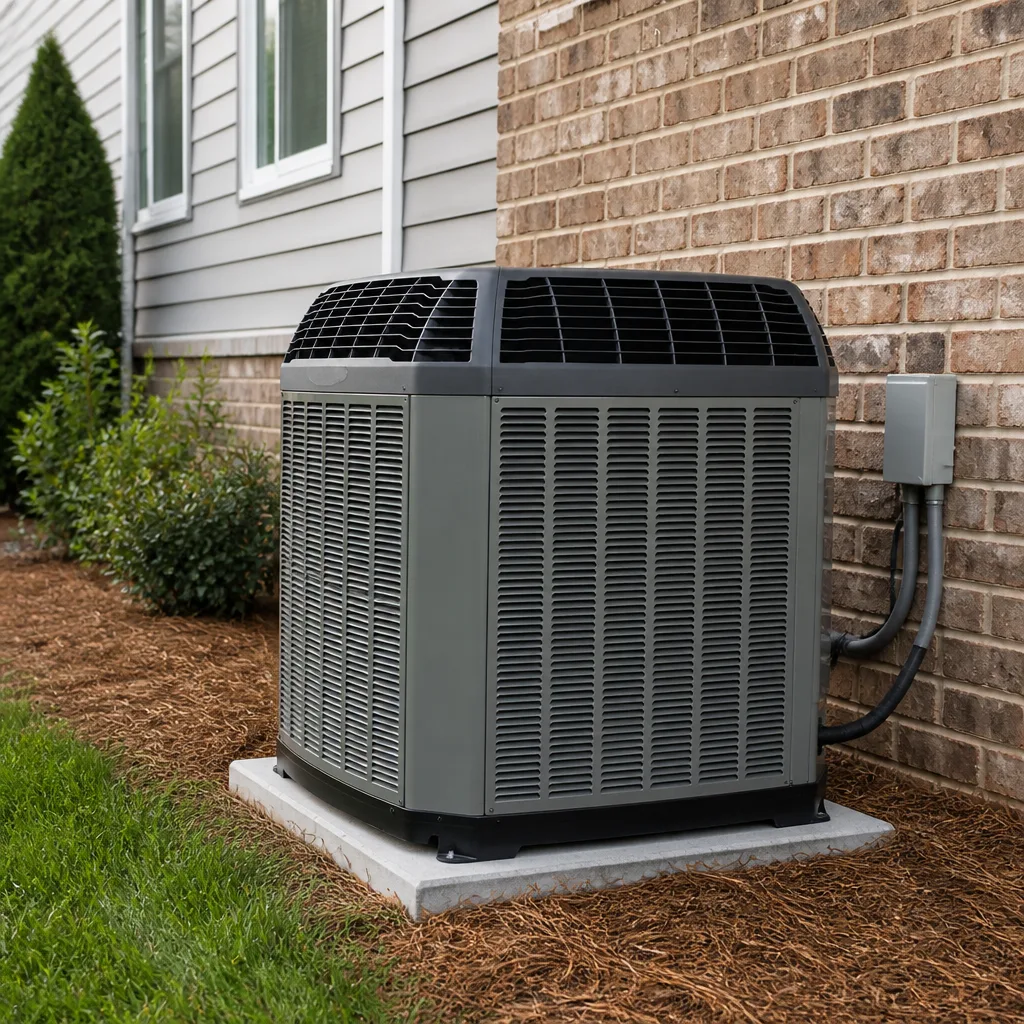 Trane
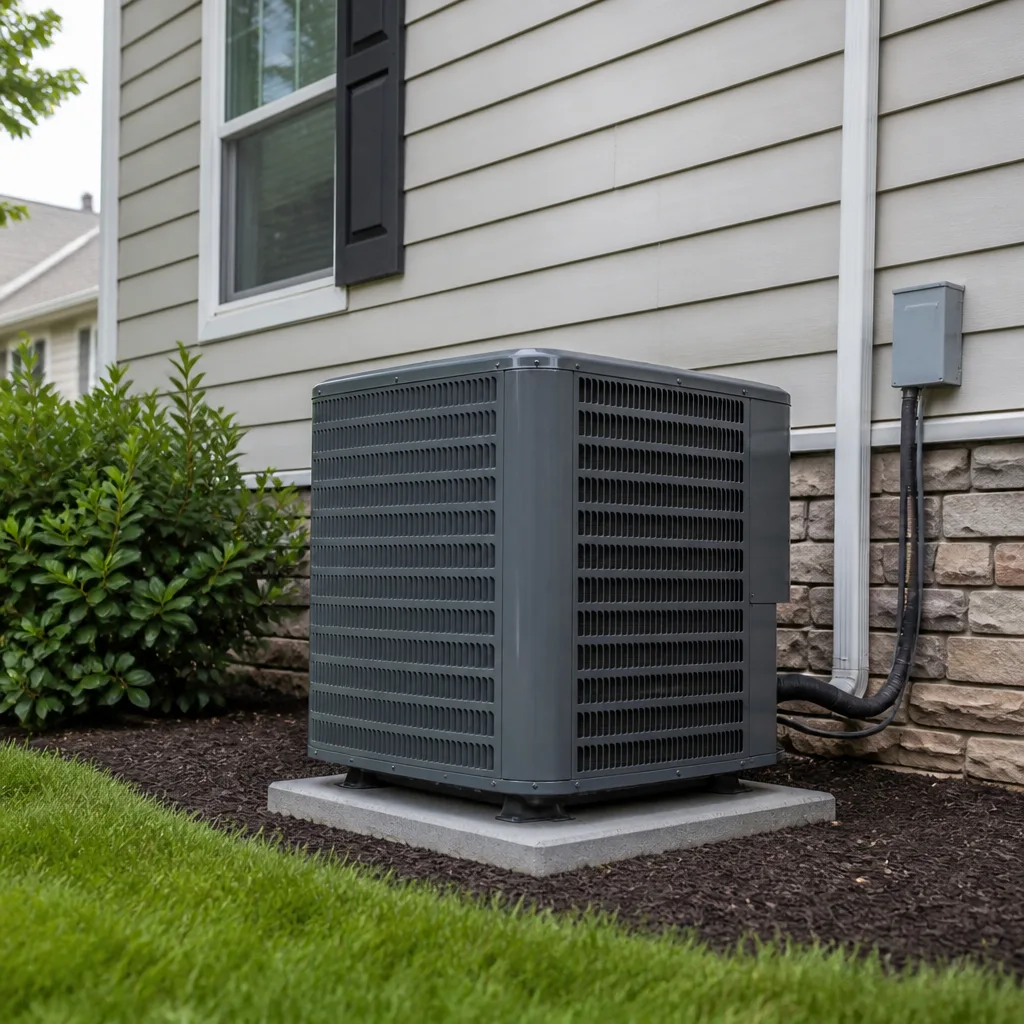 Goodman
Seasonal tune-up and full diagnostic on your Carrier, Trane, or Goodman system - readings shown to you before any repair is proposed
Diagnosis first, numbers second - you approve the repair price before a single part goes in.
Get your free estimateSeasonal HVAC Care for West Jordan: Year-Round Homeowner’s Guide
Most homeowners treat HVAC care as a two-part calendar: a spring tune-up, a fall furnace check, done. West Jordan doesn’t work that way. The city sits on the east bench of the Salt Lake Valley, where the climate shifts in four distinct phases, and each transition asks something different of your equipment. By the time most people think to book an AC tune-up, the first hot spell has already pushed every company in the valley weeks out. The window that actually matters opens about six weeks earlier. This guide maps every task to West Jordan’s real weather calendar – not a generic spring and fall split – so your system is ready before demand spikes, not after it fails.
Quick Answer
West Jordan’s HVAC year runs in four phases: a heating season that peaks in January, a short shoulder window in March and April, a cooling season that ramps in late May and peaks in July, and a second shoulder window in October. Schedule AC service by mid-April and furnace service by mid-October, before demand climbs. March and October are the best months for major repairs or replacement – cooler temperatures, easier scheduling, and full testing before extreme weather arrives. Your single most important task is getting ahead of the transition by weeks, not reacting when the first heat wave or cold snap hits. Call (833) 946-8705 for a free estimate. We answer 24/7.
Styles & brands we work with
- AC repair
- Furnace & heating
- Heat pumps
- Ductless mini splits
- Carrier
- Trane
- Goodman
Table of Contents
- Why West Jordan Has Four HVAC Phases, Not Two
- The Shoulder Season Window: Why March and October Matter Most
- Spring Cooling Prep: Coil Cleaning and Refrigerant Timing
- Winterizing Your AC in West Jordan: What It Involves (and What It Doesn’t)
- Winter Heat Exchanger Checks and Utah’s Inversion Season
- When to Shift From Heating to Cooling (and Back)
- What You Can Check Yourself vs. What Needs a Technician
- Repair or Replace: Timing the Decision Around the Seasons
Why West Jordan Has Four HVAC Phases, Not Two
Your system doesn’t run in one steady mode through the year. In West Jordan it moves through four operating phases, and each has a preparation window that opens before the phase itself. Miss the window and you end up calling for repair in the middle of peak demand, when everyone else in the valley is doing the same.
Here’s how the year actually breaks down along the Wasatch Front:
- Winter heating peak (December through February): Furnace demand is highest, and cold snaps combined with valley inversion conditions keep equipment running hard. Preparation window: October.
- Spring shoulder (March through mid-May): Mild days, occasional late frosts, plenty of dust. This is the window to do major work and AC prep. Cooling demand is low, so scheduling is easier.
- Summer cooling peak (late May through August): The hot, dry stretch. AC runs nearly every afternoon and evening. Preparation window: April through early May.
- Fall shoulder (September through November): Temperatures drop fast, first freezes usually arrive by late October or early November. Preparation window: late September through October.
The mistake most people make is booking a tune-up when they feel the need for it. In West Jordan, by the time it feels hot, every HVAC company is already three weeks out. The preparatory task – coil cleaning, filter change, refrigerant check – needs to happen before the cooling season begins, not on the first hot afternoon. The same logic applies to your furnace. By the first cold night, it’s too late to schedule the inspection.
When you’re ready to set up seasonal service, our West Jordan page lays out the coverage and how to reach us.
The Shoulder Season Window: Why March and October Matter Most
If you only take one recommendation from this guide, make it this: schedule major HVAC work in March or October. Those two months sit between peak heating and peak cooling demand, and they’re when you can think clearly about your system instead of panicking when it’s 100 degrees or 15 degrees outside.
Why the shoulder seasons are better for the job
- Scheduling is easier. The peak-heating and peak-cooling weeks fill every company’s schedule. When you book in a shoulder month, you get your choice of day rather than waiting for the next opening.
- Testing happens under real conditions. A cooling system installed in October can be run and tested during the shoulder; a system installed in April can be fully checked before the first heat wave. Either way, you catch problems while there’s still time to fix them.
- Replacement decisions are clearer. When your system is on the edge, a technician can evaluate it in mild weather without pressure to get you back online. That makes repair-versus-replace a more honest conversation.
- Equipment lead times are shorter. Replacement equipment is in lower demand during the shoulder, so the delay between decision and installation tends to be shorter. A unit that fails in July may need to wait for inventory and a crew slot.
- You won’t be running the system during the work. A major repair or replacement during peak season means a day without heat or cool in weather you actually need it. During a shoulder month, mild temperatures mean you barely notice.
How to plan around the shoulder windows
For West Jordan specifically, target mid-April for anything involving your AC – full tune-up, coil cleaning, refrigerant check, and replacement evaluation. Target mid-October for furnace work – heat exchanger inspection, blower service, and filter and duct check. Both windows give you a buffer of a few weeks before the extreme season starts. If a problem is found, there’s time for parts, and if a system needs replacing, the install can be scheduled without a weather emergency on the other end.
There’s a secondary benefit that doesn’t get mentioned enough: your technician’s time. In the shoulder months, your technician can spend the time needed to do full testing, not just a quick symptom check. A furnace repair job that arrives on a scheduled day in October gets done properly; the same job in January happens against a clock. Either one is done well – but the shoulder gives room to do it right.
Spring Cooling Prep: Coil Cleaning and Refrigerant Timing
Coil cleaning and the refrigerant check belong on your schedule before June, not after the first hot week. The evaporator coil sits inside your air handler and the condenser coil sits in the outdoor unit; both collect dust, pollen, and the fine dust that blows off the Oquirrh foothills and the south valley in spring. When those coils are dirty, the system runs longer to reach the same temperature, and it does that in the hottest part of the year when the equipment is already working hardest.
What spring cooling prep includes
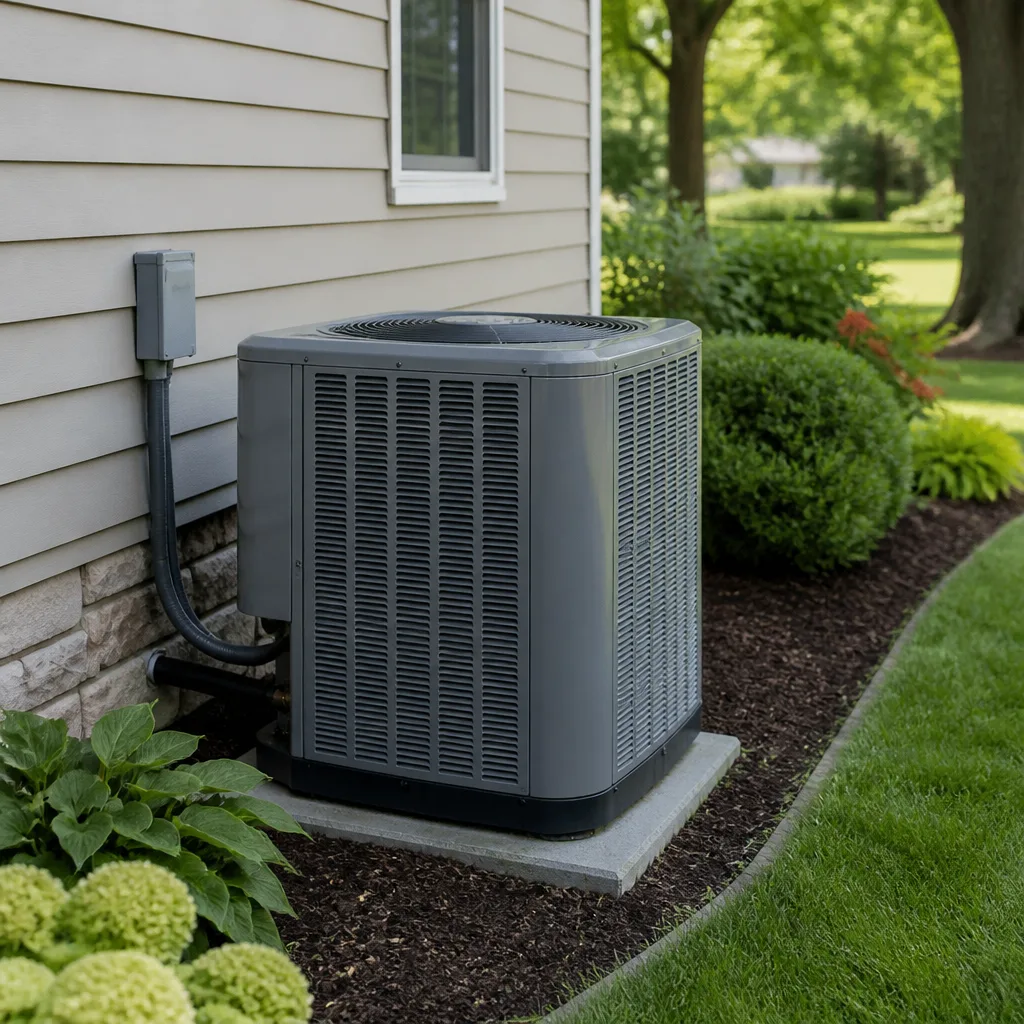
- Condenser coil cleaning. The outdoor coil needs a proper wash to remove the dust and cottonwood seed that collects over winter. A garden hose rinse doesn’t reach the interior of the coil fins.
- Refrigerant charge check. A technician checks the charge against the manufacturer’s spec and verifies pressures. A system low on refrigerant is almost always leaking somewhere, and the leak has to be found before the charge can be corrected.
- Air filter change. Spring dust in West Jordan can load a filter quickly. Check monthly through the spring and change when visibly dirty.
- Drain line check. The condensate drain clogs over time; a clogged drain backs up into the air handler and creates a water problem.
- Blower and belt inspection. Airflow depends on a clean blower wheel and a healthy belt on an older unit.
- Thermostat test. Confirm the thermostat cycles the system correctly before you need it.
Why timing matters more than the task itself
Any of these tasks can be done in July. The reason to do them in April is that in July the system is already running hard and a problem discovered then becomes a same-week repair with a hot house attached. In April, a problem becomes a scheduled fix with plenty of margin. The first genuinely hot week in West Jordan tends to land in late May or early June; if your cooling prep happens in the second week of June, you’ve missed the point.
If your system does need repair rather than just service, we handle AC repair in West Jordan with a written estimate before any work begins. We know Carrier, Trane, Lennox, and Goodman equipment, along with the rest of the major brands, so the technician who shows up knows your nameplate.
Winterizing Your AC in West Jordan: What It Involves (and What It Doesn’t)
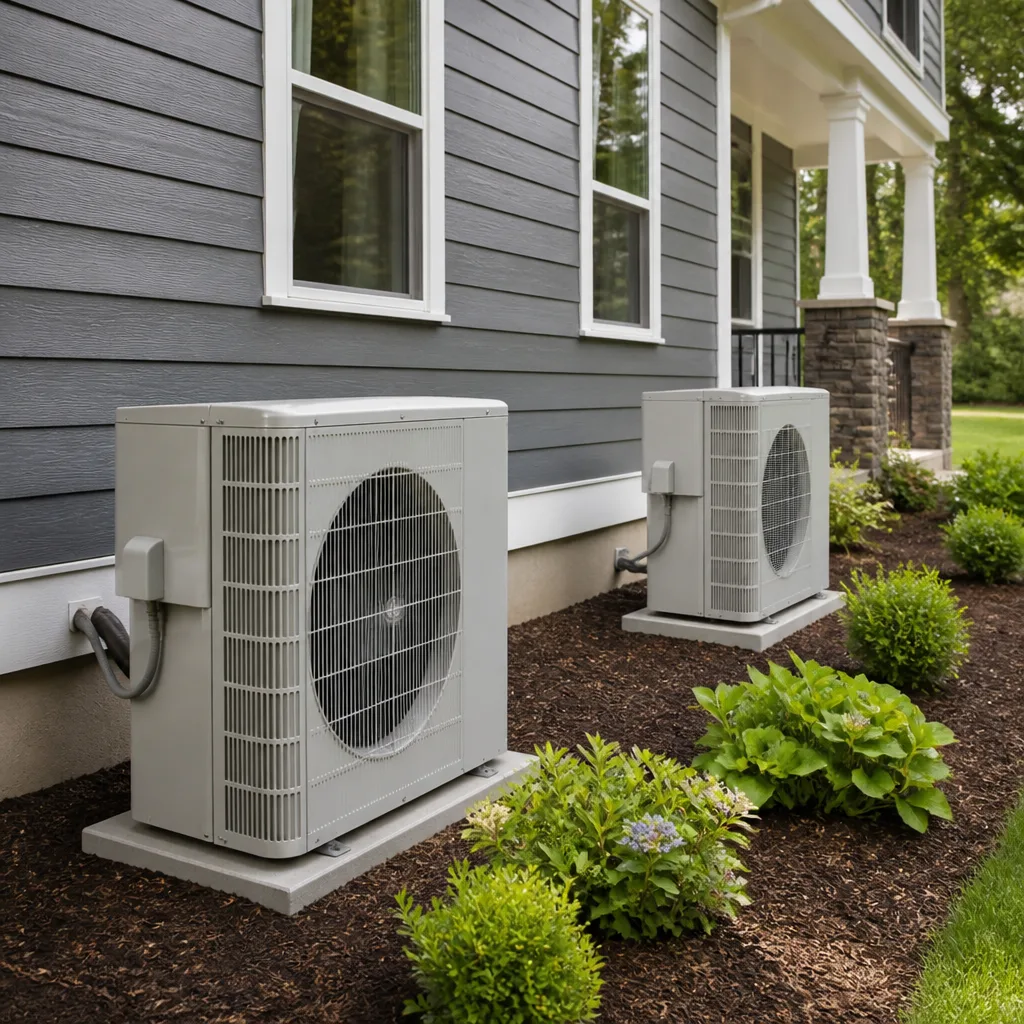
Winterizing an AC unit in West Jordan is mostly about protecting the outdoor condenser from snow, ice, and debris without trapping moisture – not about wrapping it up like a package to ship. Utah’s winters are cold and dry, with periodic snow that melts and refreezes. The goal is to keep the unit clear and functional, not sealed shut.
What winterizing does involve
- Turn the system off at the thermostat and breaker. For the heating season, the outdoor unit won’t be running. Shutting it down at the breaker prevents accidental starts during cold snaps.
- Clear debris from around and inside the unit. Leaves, cottonwood seed, and grit collect around the base and in the coil. Remove them before snow covers the unit.
- Cover the top, not the whole unit. A rigid cover over the top keeps snow and ice off the fan grille while allowing air to move. A sealed plastic wrap traps moisture inside and can rust or corrode components.
- Check the pad and mounting. A unit that sits unevenly or has settled into the ground needs attention before freeze-thaw movement makes it worse.
- Inspect the refrigerant lines. Insulation on the line set should be intact; ice and snow can crack sun-degraded insulation.
What winterizing doesn’t involve
It doesn’t involve covering the entire condenser with a tarp or wrapping it in plastic. In a dry climate like West Jordan’s, the risk is snow and ice accumulating on top of the fan and trapped moisture inside the cabinet – not salt or coastal corrosion. And it doesn’t involve leaving the thermostat on cool mode; a system that gets switched on accidentally during a warm January afternoon with a cover in place can damage the fan.
When your system is ready for a proper pre-summer checkout, our AC installation and service team covers the full range, from a full system replacement to a routine mid-season tune-up.
Winter Heat Exchanger Checks and Utah’s Inversion Season
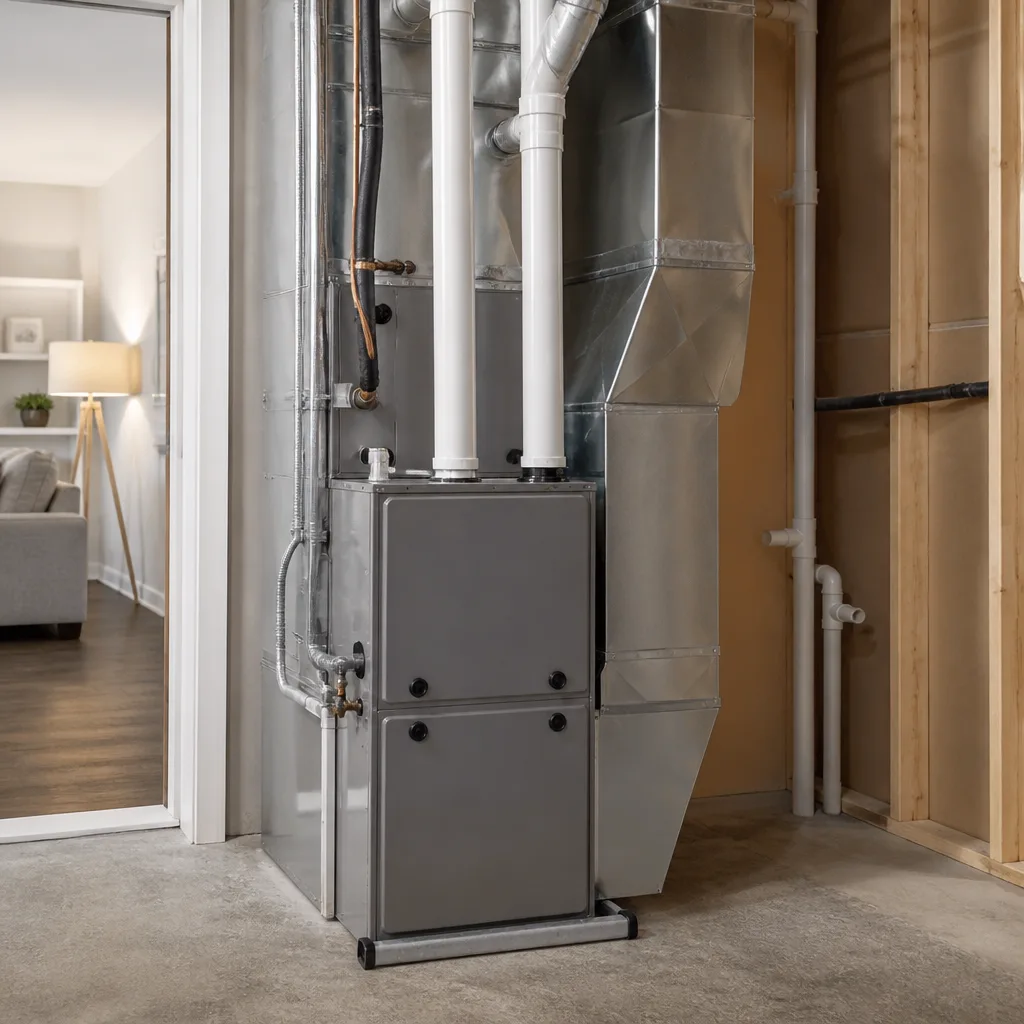
The heat exchanger is the part of your furnace that separates combustion gases from the air you breathe. It’s a metal component that expands and contracts with every heating cycle, and over time it can crack. A cracked heat exchanger can allow carbon monoxide into your home’s air supply. That’s why the inspection matters more in West Jordan than in a milder climate – Utah’s winter inversions trap cold air and pollutants in the valley, and homes stay sealed up for weeks to keep the heat in.
Why the inversion season raises the stakes
When the valley is under an inversion, windows stay closed and fresh air doesn’t move. Any combustion byproduct that would normally vent away lingers in the home. For a healthy furnace, that’s fine; the exhaust goes out the flue. But for a furnace with a compromised heat exchanger or a blocked flue, it’s a real risk. The answer isn’t to stop using the furnace – it’s to have the heat exchanger inspected before the heating season begins, and to have working carbon monoxide alarms on each level of the home.
What a heat exchanger inspection covers
- Visual inspection of the exchanger cells for cracks, corrosion, or separation.
- Combustion analysis to check flue gas composition and confirm complete combustion.
- Flue and vent check for blockages, correct slope, and proper termination.
- Induced draft fan test to confirm the exhaust is moving as designed.
- Carbon monoxide check at the supply air and in the living space.
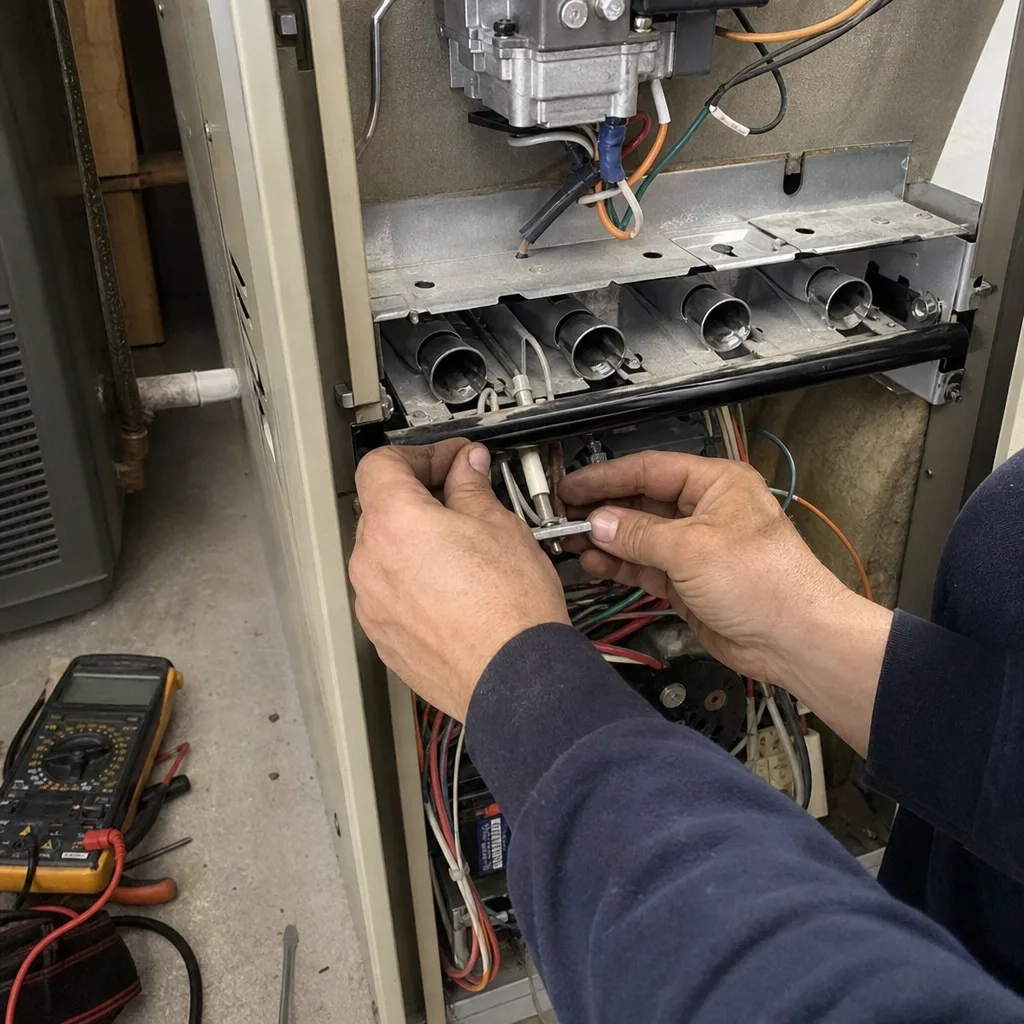
Do not open the furnace cabinet to inspect the heat exchanger yourself. The component is inside the combustion chamber, and the inspection requires instruments and training. This is one of the tasks where a professional is not optional. If you smell exhaust near the furnace or your CO alarm sounds, leave the home, ventilate it, and call for service. Our team handles furnace repair across West Jordan, and we’ll tell you straight whether the unit can be repaired or needs replacement. Call (833) 946-8705 for a free estimate. We answer 24/7.
When to Shift From Heating to Cooling (and Back)
West Jordan has a real shoulder season on both ends, and that’s exactly when homeowners get into trouble by switching modes too early or too late. The transition from heating to cooling usually happens around mid-to-late May, when overnight temperatures stop dropping close to freezing and daytime highs reach the upper 70s. The transition back from cooling to heating usually lands in October, when overnight lows drop into the 30s and staying in cooling mode no longer makes sense.
How to time the switch
- Watch the overnight low, not the daytime high. A 75-degree afternoon in April can be followed by a 28-degree night. If you’ve shut off the furnace and switched fully to cooling, a cold night catches you off guard.
- Test the AC on the first warm day, not the first hot one. Run cooling for an hour or two on a mild afternoon in early May to confirm it’s working. If something’s off, you still have time to schedule.
- Don’t switch the furnace off entirely until you’re sure. A cold snap in early June or a warm afternoon in October can happen. Leave the furnace available until the overnight lows stay consistently above 45.
- Test the heat in late September. Run the furnace for one cycle before the first truly cold night. A furnace that won’t light in mid-November is a much bigger problem than one caught in September.
There’s a third mode to keep in mind: the “auto” thermostat setting. During the shoulder months, keep the fan on auto so it only runs when the heating or cooling is on. Continuous fan running in the spring pulls dust into the filter and the blower, which shortens the filter’s life. In peak summer heat, some homeowners use continuous fan to even out temperatures between floors; that’s fine, but change the filter more often when you do.
Both of our services are handled by the same team – one specialist team for your furnace and your AC, which means the technician who knows your cooling system also knows your heating system, and the transition between them doesn’t involve juggling contractors.
What You Can Check Yourself vs. What Needs a Technician
Some seasonal care is genuinely easy and worth doing yourself. Some is not, and the difference is worth knowing clearly before you start. Here’s our honest breakdown for West Jordan homeowners.
Tasks you can safely handle
- Change the air filter. This is the single easiest thing you can do and one of the most important. Check monthly during peak seasons; change at 1-3 inch filter when visibly dirty.
- Keep the outdoor condenser clear. Trim plants back, clear debris around the base, and keep a good distance between the unit and any fence or shrub.
- Check the thermostat. Make sure it’s on the correct mode and set to the right temperature. A mis-set thermostat is the single most common “system not working” call.
- Check the circuit breaker. A tripped breaker on the AC or furnace is a quick fix – reset it once, and if it trips again, call a technician.
- Confirm the condensate drain is clear. If you can see the drain line exit, check for obvious clogs or standing water.
- Test carbon monoxide alarms. Press the test button; replace batteries on schedule.
Tasks that need a technician
- Refrigerant handling. Refrigerant is a regulated substance. Charging, recovering, or working on the refrigerant circuit requires training and certification.
- Heat exchanger inspection. As noted above, this is a combustion-chamber task. Not a homeowner job.
- Electrical components. Capacitors, contactors, motors, and control boards. The capacitors in particular hold a charge that can injure.
- Coil cleaning on the indoor evaporator. The coil is inside the air handler; cleaning it requires access and correct technique without bending the fins.
- Gas line and burner work on the furnace. Do not open the burner compartment. Gas and combustion work belongs to a trained technician, every time.
We service Carrier, Trane, Lennox, and Goodman as part of our brand coverage, along with Rheem, York, Daikin, Bryant, and American Standard – nine major brands in all – so the technician who inspects your system knows the specific design and quirks of your equipment, not just the general principles.
Repair or Replace: Timing the Decision Around the Seasons
Deciding whether to repair or replace is easier in the shoulder season than in the middle of a failure. When the system breaks on a 100-degree afternoon, every homeowner feels pressure to replace rather than repair; when it breaks in October, the decision can be made calmly and with full testing. That’s the real advantage of shoulder-season planning: you make the call under your own terms.
How we think about the repair-versus-replace question
Three things drive the answer: the age of the system, the cost of the repair compared with the cost of a new system amortized over its remaining life, and the likelihood that a second failure is coming. A 15-year-old furnace with a failed blower motor is different from a 6-year-old furnace with the same failure. A system that has already had two repairs in the last three years is signaling its next chapter.
We offer both options because that’s the honest way to run the business. If a repair is the sensible call, we say so. If replacement is the right move, we say that too, and then help you pick the right equipment. Brand-agnostic recommendations mean we’re choosing the system that fits your home and your budget, not the one a particular manufacturer pays us to promote. And no single manufacturer allegiance means you get the equipment that fits the house, not the easiest upsell.
The timing angle: a replacement scheduled in October is easier to install in good weather and gets full testing before the heating season. A replacement scheduled in January happens in cold weather, often with a temporary heat solution in place. Either works – one is simply more comfortable. Call (833) 946-8705 for a free estimate. We answer 24/7.
Common Mistakes to Avoid
- Booking a tune-up after the first heat wave. By then, every HVAC company in the valley is weeks out, and the small repair you could have scheduled in April becomes an urgent problem in June. Book in April, not June.
- Wrapping the entire condenser in plastic for winter. Utah’s winters are dry and cold, not coastal. A sealed wrap traps moisture inside and can corrode the unit; cover the top only.
- Skipping the heat exchanger inspection because “the furnace is running fine.” A cracked heat exchanger doesn’t always announce itself with a symptom. The inspection is the safety check, and Utah’s inversion season keeps homes sealed up when it matters most.
- Waiting until the shoulder season to call, then calling in the middle of it. March and October are the right months for major work, but those months book up too. Call a few weeks before the window opens.
- Ignoring the filter because the system feels fine. A dirty filter creates a slow cascade: restricted airflow, longer run times, higher bills, and eventually component wear. Check it monthly in West Jordan’s dusty spring.
- Letting a small refrigerant leak keep running. A system low on refrigerant doesn’t fix itself. If the charge is low, the leak has to be found; a technician can pinpoint it, and that’s what protects the compressor.
- Switching to cool mode for one warm afternoon in March. Running the AC on a single 70-degree day in early spring doesn’t hurt much, but if a cold snap follows and the furnace is off, you get a cold house. Wait for consistent overnight lows above freezing.
See the difference
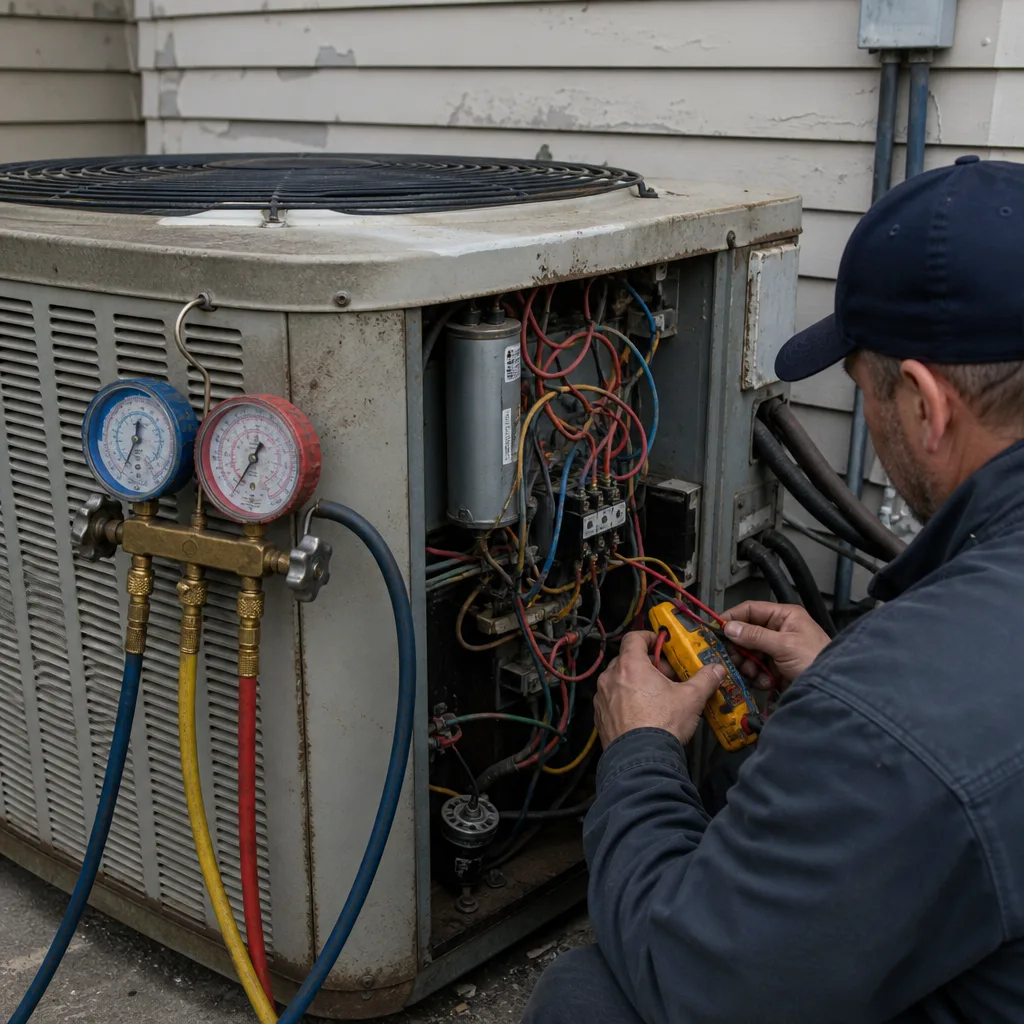 Before
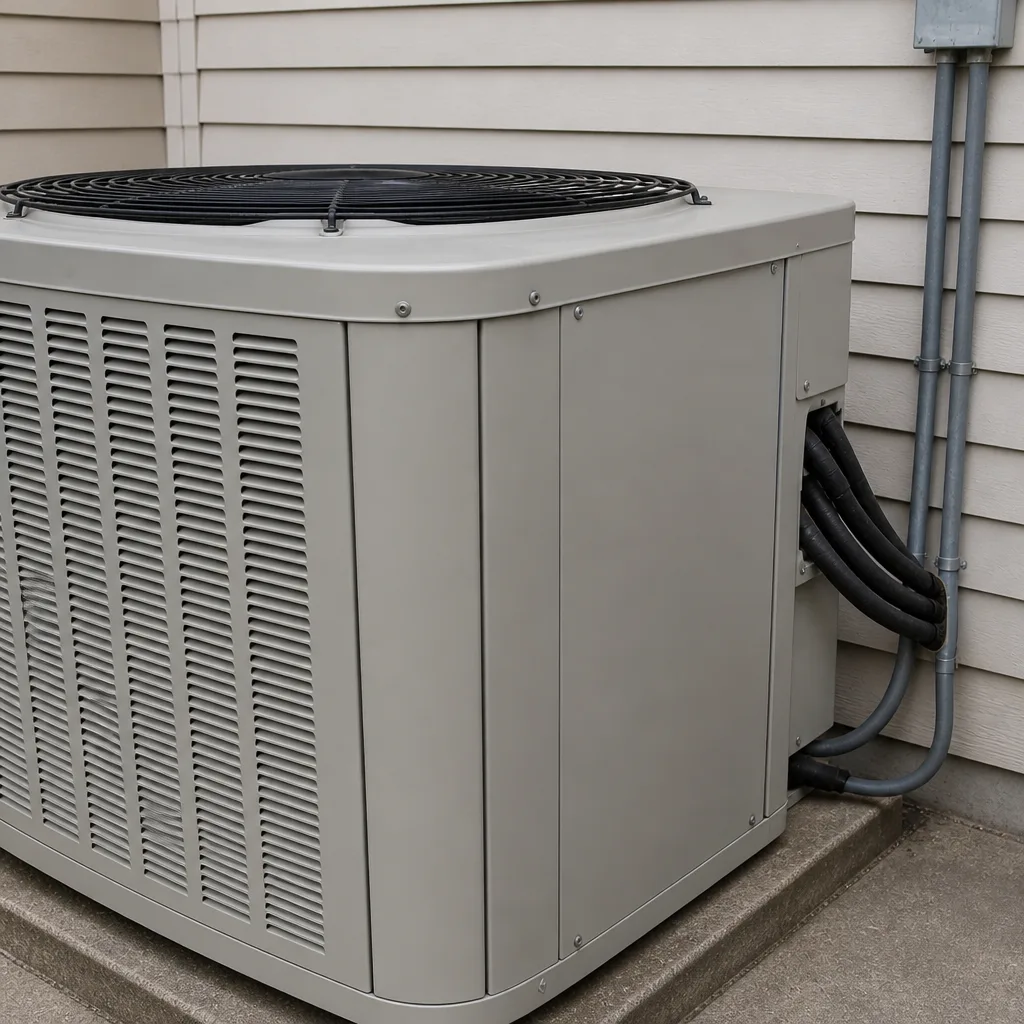 After
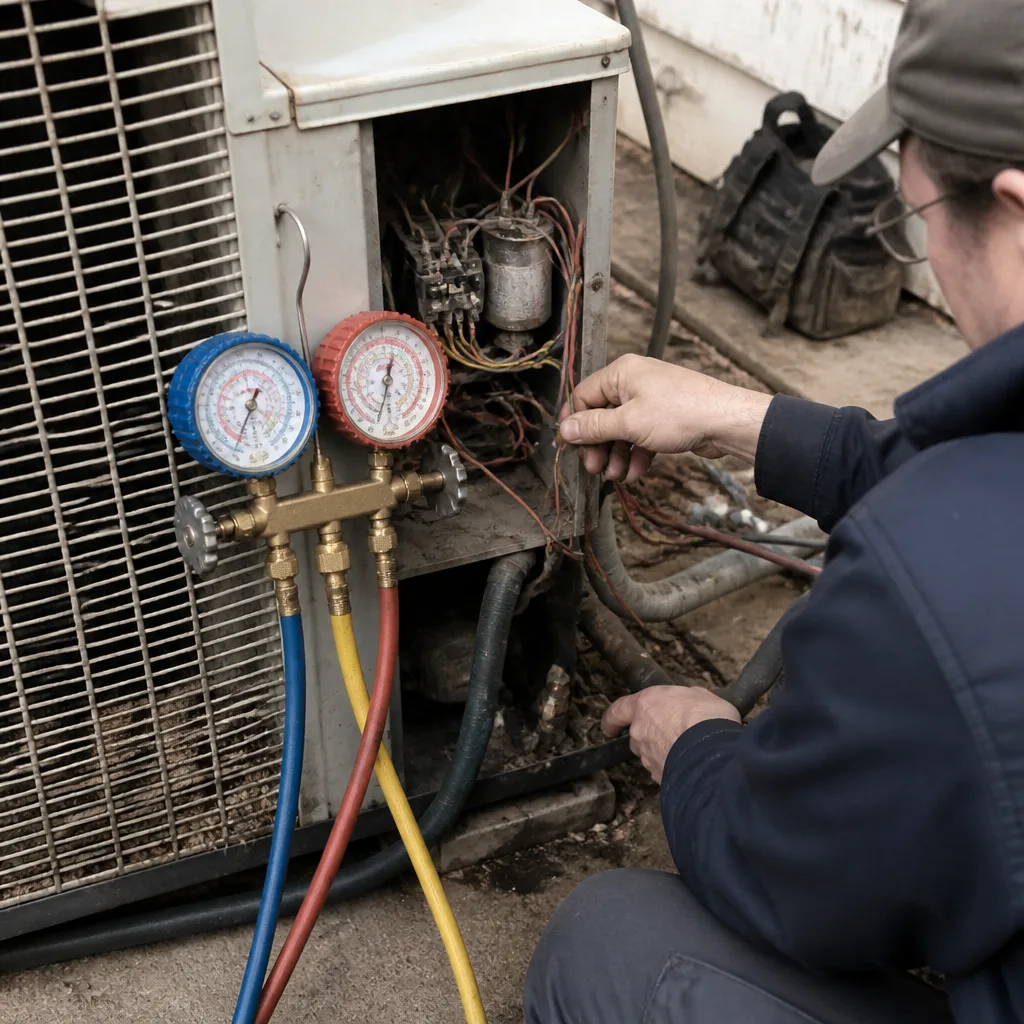 Before
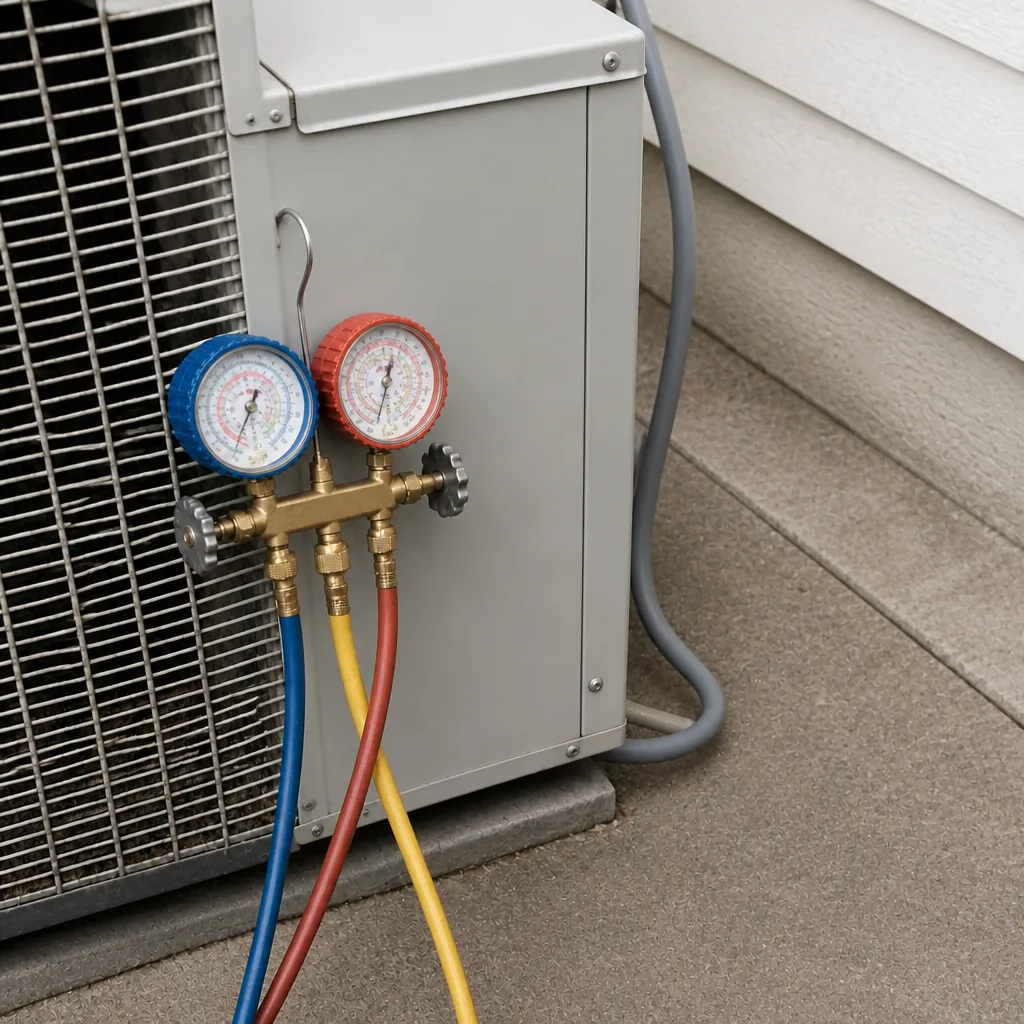 After
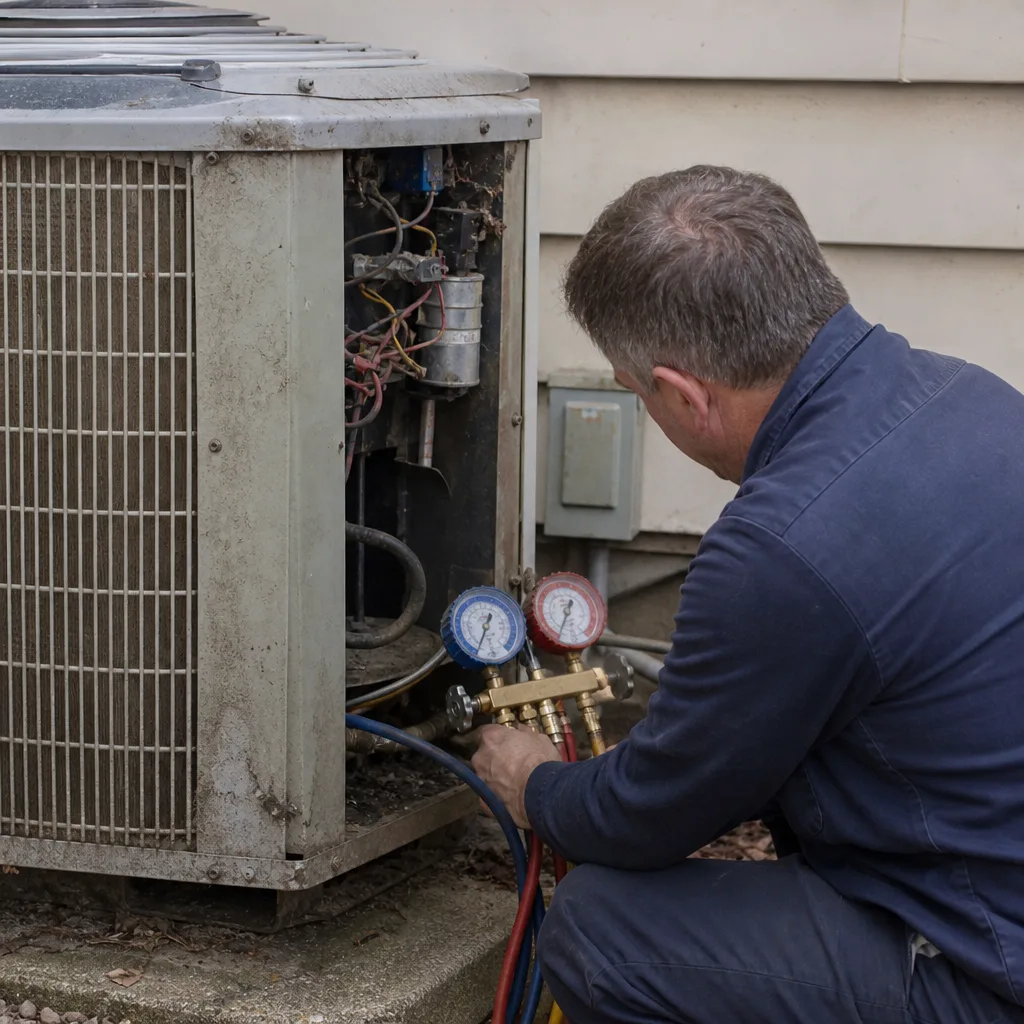 Before
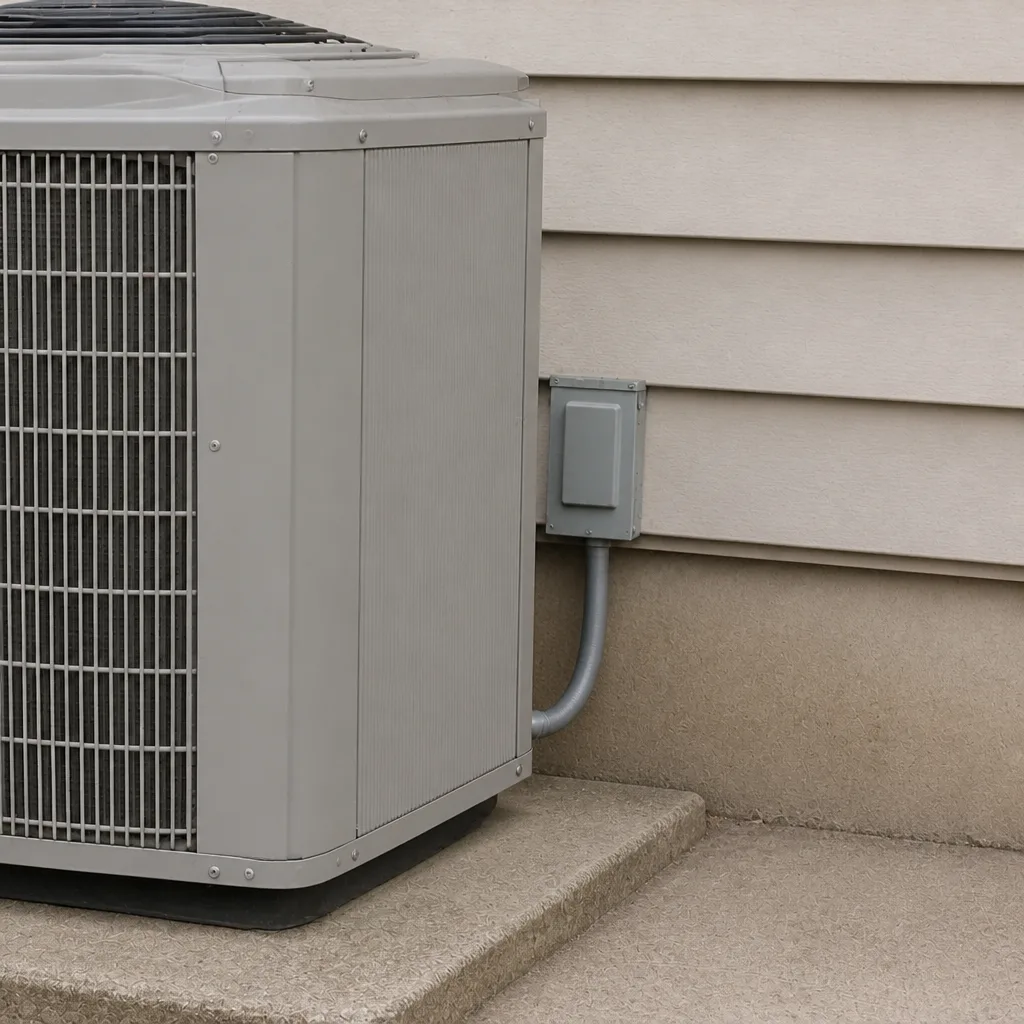 After
When to Call a Professional
Call a professional when any of these happen: the AC stops cooling on an 85-degree afternoon; the furnace won’t light or blows cold air; you smell gas near the furnace; your carbon monoxide alarm sounds; there’s water pooling around the air handler or the outdoor unit; the system is making banging, screeching, or repeated clicking sounds; the breaker trips each time the system starts; you’re at the 10-to-15-year mark and the repair decision isn’t obvious. For AC or furnace repair in West Jordan, our team will diagnose the problem, give you a written estimate, and tell you whether repair or replacement is the honest answer. Our technicians have up to 13 years of experience. AC Repair West Jordan offers free estimates in West Jordan – call (833) 946-8705. We answer 24/7. Fast dispatch from 7am to 7pm, Sunday through Friday.
Frequently Asked Questions
Schedule your AC tune-up by mid-April, before the first heat wave pushes every company in the valley weeks out. Coil cleaning and the refrigerant check both need to happen before June. If you’re calling in June because the system failed, the problem is already past the prep stage, and you’re booking a repair rather than a tune-up. The six weeks before peak season are worth more than the tune-up itself. Call (833) 946-8705 for a free estimate – estimates are free.
Cover the top of the unit, not the whole thing. Utah winters are dry and cold, and trapping moisture inside a sealed cover can damage the coil and cabinet. A rigid top cover keeps snow and ice off the fan grille. Before the first freeze, shut the system off at the breaker, clear debris around the unit, and check the pad underneath. Call (833) 946-8705 if you want a technician to check the outdoor unit before winter.
Once a year, and ideally in October before the heating season begins. The inspection should include a heat exchanger check, combustion analysis, and a vent and flue check, because Utah’s inversion season keeps homes sealed up for weeks. Our technicians have up to 13 years of experience, and we work on Carrier, Trane, Lennox, Goodman, Rheem, York, Daikin, Bryant, and American Standard equipment. Call (833) 946-8705 for a free estimate.
March and October are the best months for replacement. The weather is mild, so the replacement happens under easier conditions, the schedule has more open slots, and the new system can be fully tested before peak demand. If your system fails in July, replacement is still possible; it just happens under pressure. Call (833) 946-8705 for a free estimate on replacement – we’ll tell you honestly whether replacement is the right call or a repair still makes sense.
No. The heat exchanger sits inside the combustion chamber and requires instruments and training to inspect. Do not open the furnace cabinet yourself. If you smell exhaust near the furnace or your CO alarm sounds, leave the home, ventilate it, and call for service. We handle furnace repair in West Jordan, and the inspection is part of the service. Call (833) 946-8705. We answer 24/7.
First, check the thermostat mode and the air filter. Then check the breaker. If none of those solve it, the system needs a technician. A system that’s losing ground at the transition is often showing a problem that’s been building for weeks. Call (833) 946-8705 for a free estimate. Fast dispatch from 7am to 7pm, Sunday through Friday.
The Bottom Line
West Jordan’s HVAC calendar has four phases and four preparation windows, and the shoulders are where the real gains are. Book AC service by mid-April, book furnace service by mid-October, and schedule major work in March or October. Winterize the outdoor unit with a top cover, not a sealed wrap. Get the heat exchanger inspected every year, and keep working CO alarms in the home. Handle the simple tasks yourself and call a professional for refrigerant, combustion, and electrical work. Our team covers the full scope – AC installation, furnace repair, and complete replacement – across nine major brands, from Carrier and Trane to Goodman and Lennox. One specialist team for your furnace and your AC, with an honest answer on repair versus replace. Call (833) 946-8705 for a free estimate. We answer 24/7. Fast dispatch from 7am to 7pm, Sunday through Friday.
Written by the team at AC Repair West Jordan.